Hcg vs enclomiphene
TABLE OF CONTENTS

In the world of bodybuilding and fitness, understanding the most effective supplements and compounds for hormone regulation and performance enhancement is crucial. Among the myriad of options, Hcg vs enclomiphene frequently comes up in discussions, especially when considering post-cycle therapy (PCT) or testosterone replacement therapy (TRT). Let’s dive into a comprehensive overview of these compounds to understand their benefits, usage, and differences.
Understanding Hcg
Human Chorionic Gonadotropin (Hcg) is a hormone produced during pregnancy. In men, it has been used to stimulate the production of testosterone and sperm by mimicking the luteinizing hormone (LH), which naturally signals the testes to produce more testosterone. This makes Hcg a popular option during PCT to help recover natural testosterone production following an anabolic steroid cycle. 💪
Exploring Enclomiphene
Enclomiphene, on the other hand, is a selective estrogen receptor modulator (SERM). It functions by blocking estrogen receptors, thereby increasing the levels of LH and follicle-stimulating hormone (FSH) in the body. As a result, it enhances testosterone production naturally, making it an appealing alternative for men experiencing low testosterone due to various reasons.
Hcg vs Enclomiphene: Key Differences
While both Hcg and enclomiphene aim to boost testosterone levels, they operate through different mechanisms. Hcg directly stimulates testosterone production through LH mimicry, while enclomiphene enhances the release of the body’s innate hormones. Depending on individual goals, such as PCT or long-term testosterone maintenance, either option might be more suitable.
BIG SALE | FAST SHIPPING
HOT PROMOTIONS!
Beligas 10ml Vial Testosterone NPP Blend 150mg

Original price was: $ 119.00.$ 99.00Current price is: $ 99.00.
STADA MEGA CUTS BLEND 300 MG 10ML (TRENBOLONE)

Original price was: $ 129.00.$ 119.00Current price is: $ 119.00.
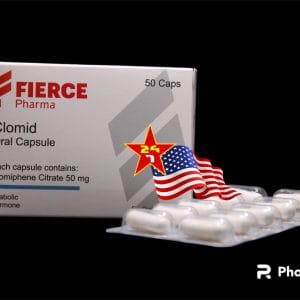
FIERCE CLOMID 50MG 50CAPS
Original price was: $ 129.00.$ 119.00Current price is: $ 119.00.
Conclusion
The choice between Hcg vs enclomiphene largely depends on personal preference and specific needs. While Hcg is practical for short-term testosterone enhancement post-steroidal cycles, enclomiphene offers a more balanced hormone restoration approach through estrogen modulation. It’s imperative to consult healthcare providers before incorporating these into any regimen. 😉
FAQs
1. Can Hcg and enclomiphene be taken together?
It is possible, but combining them should only be done under medical supervision to ensure the safe modulation of hormone levels. 🚴♂️
2. Are there any side effects of using Hcg vs enclomiphene?
Both can potentially lead to side effects. Hcg may cause gynecomastia and water retention, while enclomiphene may result in visual disturbances and mood changes. Monitoring and guidance from a healthcare professional are advisable.
3. Which option is better for bodybuilding purposes?
For those looking to recover from anabolic steroid use, Hcg might be more effective, while enclomiphene can be better suited for long-term testosterone management.
In conclusion, both Hcg and enclomiphene offer unique benefits depending on users’ needs within fitness and hormone regulation landscapes. Careful consideration and professional advice are crucial in choosing the right option. 📊
#BB #Bodybuilding #Gym #Training #Fitness #Anabolicsteroids #steroids #supplements #anavar #sustanon #legitpharmacies #steroidcycles #247steroids
Human chorionic gonadotropin (hCG) and enclomiphene are both commonly used in the management of male hypogonadism, yet they operate through distinct mechanisms and have different implications. hCG is a hormone produced during pregnancy, but in men, it mimics the function of luteinizing hormone (LH), stimulating the Leydig cells in the testes to produce testosterone. This can be particularly beneficial for men with secondary hypogonadism seeking to boost endogenous testosterone production and enhance fertility by maintaining or increasing spermatogenesis. On the other hand, enclomiphene, an isomer of clomiphene citrate, is a selective estrogen receptor modulator (SERM) that blocks estrogen receptors in the hypothalamus, which can lead to an increase in the release of gonadotropins (LH and follicle-stimulating hormone, FSH) from the pituitary gland. This, in turn, stimulates the testes to produce more testosterone and sperm. While both treatments aim to elevate testosterone levels, they may differ in their effects on fertility, side effects profile, and suitability for specific patient scenarios. Enclomiphene might be preferred for those particularly looking to enhance fertility without the risk of testicular shrinkage, a potential side effect of hCG. Ultimately, the choice between hCG and enclomiphene should be based on an individual’s specific medical condition, goals, and response to treatment, ideally under the guidance of a healthcare provider.