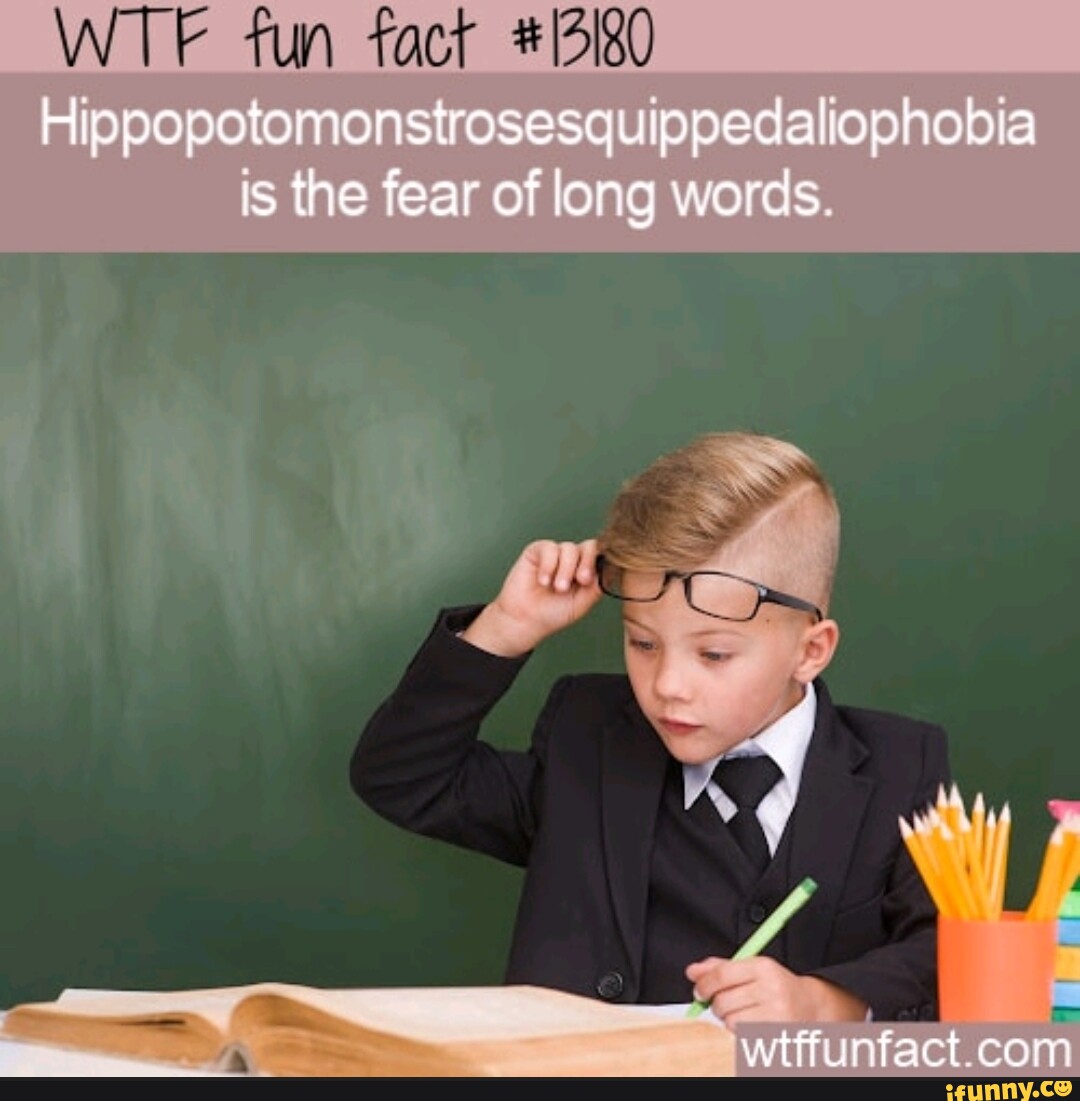
Hippopotomonstrosesquippedaliophobia: Phobia to Long Words
TABLE OF CONTENTS

Phobias are fascinating psychological phenomena that affect many people across the world. Among these is the unique and intriguing phobia to long words, a condition where individuals experience intense fear or anxiety when confronted with lengthy or complicated words. This condition is paradoxically named Hippopotomonstrosesquippedaliophobia. This humorous term itself is a prime example of what sufferers would fear. Ironically, those who coined this name might have done so with a sense of irony.
Understanding Phobia to Long Words
Phobia to long words is categorized as a specific phobia, falling under the umbrella of anxiety disorders. It differs from general anxiety because it is linked specifically to the visual or verbal presence of extended words rather than a more extensive range of stimuli. People with this phobia may exhibit signs of anxiety, such as sweating, shaking, or even feeling faint when faced with polysyllabic vocabulary.
This fear might stem from negative experiences with language learning, reading difficulties, or feeling overwhelmed by intellectual challenges. It’s vital to recognize that this phobia, like many others, can significantly impact a person’s daily life. Situations that require reading complex documents or interacting in academic settings might be sources of tremendous stress.
Coping Mechanisms and Treatment
Managing phobia to long words typically involves psychotherapy, with cognitive-behavioral therapy (CBT) being especially effective. Through CBT, individuals can learn to challenge their fears gradually and systematically in a controlled environment. Exposure therapy, a component of CBT, allows individuals to be exposed to longer words in small, manageable doses, eventually helping to reframe their fear response.
Moreover, support groups or online forums can provide sufferers with a community to share experiences and coping strategies. The advent of mobile applications targeting phobias also offers interactive ways to practice and reduce anxiety related to this condition.
Accessing various therapeutic resources and finding a treatment approach that suits personal needs is crucial. Additional insights into anxiety disorders can be found through reputable sites such as Anxiety and Depression Association of America and Therapy Directory.
Conclusion
The phobia to long words might appear humorous at first glance, but for sufferers, it is a meaningful and challenging disorder. It’s an example of how the human mind can develop anxieties seemingly disproportionate to the threat posed. Addressing and discussing phobias openly can lead to greater awareness and empathy for those affected, facilitating better support networks and treatment options.
FAQs
What is the official name for the phobia to long words?
The most recognized name for this phobia is Hippopotomonstrosesquippedaliophobia.
How common is a phobia to long words?
While precise statistics are not available, specific phobias, including the fear of long words, are quite common, affecting a significant portion of the population.
Can exposure therapy be used for treating this phobia?
Yes, exposure therapy is a widely used method to treat various phobias, including the fear of long words. It involves gradually exposing individuals to their fears in a controlled way to reduce anxiety responses.
BIG SALE | FAST SHIPPING
HOT PROMOTIONS!










Hippopotomonstrosesquippedaliophobia, the ironic fear of long words, is an anxiety disorder that falls under the wider category of specific phobias. Despite its somewhat humorous connotation, it can cause significant distress for those affected. Individuals might experience symptoms such as shortness of breath, rapid heartbeat, or even a full-blown panic attack when confronted with unusually lengthy words. This phobia can stem from negative experiences in an educational setting, where long words and complex vocabulary may have been sources of embarrassment or failure. Treating this phobia often involves gradual exposure through cognitive-behavioral therapy (CBT), where sufferers learn to manage their reactions and build confidence in their ability to process long words without anxiety. While seemingly trivial, hippopotomonstrosesquippedaliophobia highlights the profound impact that language and communication can have on one’s mental health.