How Longer Legs Enhance Athletic Performance
TABLE OF CONTENTS

In the world of athletics, fashion, and even evolutionary biology, the concept of longer legs garners significant attention. They are not just a matter of style or preference; longer legs have practical implications that range from improving athletic performance to influencing perceptions of beauty. Understanding the significance of longer legs can offer insights into why they are often seen as advantageous in various aspects of life.
Longer Legs and Athletic Performance
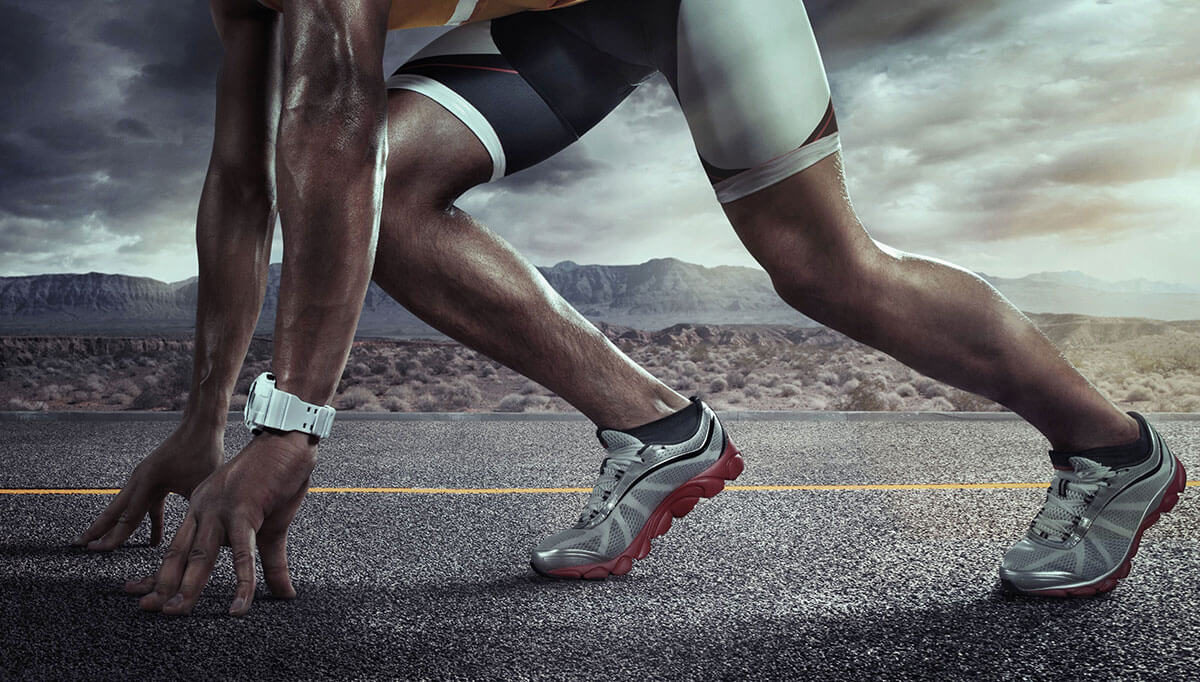
Athletes, particularly runners and swimmers, often benefit significantly from longer legs. A key advantage lies in the biomechanics of movement. Longer legs can contribute to a more efficient stride, allowing runners to cover more ground with each step. This can lead to improved speed and endurance, crucial factors in competitive environments. Similarly, in swimming, longer legs can enhance propulsion through water, offering competitive swimmers a distinct edge. Studies have indicated that sprinters generally have longer legs relative to their body size compared to average individuals; this advantage can shave vital seconds off race times, making the difference between victory and defeat.
Aesthetics and Longer Legs
Beyond performance, the aesthetic appeal of longer legs cannot be underestimated. In fashion, longer legs are often considered a desirable trait. Models usually have longer legs, as this body proportion tends to enhance the visual flow of clothing lines during catwalk presentations. The fashion industry has long upheld the notion that longer legs contribute to a more elegant and elongated silhouette. This perception is not limited to the runway; everyday fashion enthusiasts often seek to emulate this look through clothing choices and styling techniques.
The Evolutionary Perspective on Longer Legs
From an evolutionary standpoint, the preference for longer legs can be traced back to primal instincts. Anthropologists suggest that in early human societies, taller individuals with longer limbs, including longer legs, may have been perceived as more capable and hence more desirable mates. Theories positing the role of longer legs in survival suggest they might have played a part in enabling early humans to travel longer distances for food and migration. Thus, the evolutionary allure of longer legs could be deeply ingrained in human psychology.
Conclusion
The appeal and advantages of longer legs extend across practical, aesthetic, and evolutionary dimensions. They enhance athletic performance, provide a perceived beauty standard in the fashion world, and may even have roots in human evolutionary history. Whether their impact is physical or psychological, longer legs continue to be a fascinating element of human anatomy and society.
FAQs
What sports benefit the most from longer legs?
Sports like running, swimming, and basketball often see the greatest benefit from individuals with longer legs due to the advantage in stride and reach.
Are there any downsides to having longer legs?
While longer legs can be advantageous, they may sometimes lead to coordination challenges or difficulties in finding appropriately fitted clothing.
Is the preference for longer legs universal?
Preferences can vary across cultures, but longer legs are generally viewed positively in many societies, particularly in fashion and athletics.
Do longer legs always lead to better performance?
While they can provide an advantage, factors such as training, technique, and overall body conditioning also play crucial roles in athletic performance.
BIG SALE | FAST SHIPPING
HOT PROMOTIONS!


FIERCE CLOMID 50MG 50CAPS

Original price was: $ 129.00.$ 119.00Current price is: $ 119.00.
Beligas 10ml Vial Testosterone NPP Blend 150mg

Original price was: $ 119.00.$ 99.00Current price is: $ 99.00.

CYT 3 6MG | T3 | Yohimbe | Clen | Weight Loss Blend | 100 Tablets Total Kit 600mg

$ 69.00


ZPHC UltraMix 10ml MultiUse Vial 1ml = 250mg

Original price was: $ 255.00.$ 179.00Current price is: $ 179.00.

For more on evolutionary biology, visit National Geographic. To explore current fashion trends, check Vogue.
Longer legs have long been associated with various cultural beauty standards and evolutionary advantages. From an aesthetic standpoint, elongated legs are often perceived as a symbol of elegance and attractiveness, drawing attention in fields such as fashion and modeling where height is highly prized. Evolutionarily speaking, longer limbs may provide functional benefits, such as improved agility and speed, essential traits for survival and foraging in ancestral environments. Additionally, studies suggest that individuals with longer legs may have a reduced risk of certain health issues, such as heart disease and type 2 diabetes, due to better insulin sensitivity and healthier fat distribution. However, it’s important to acknowledge the diversity in body types and recognize that beauty and health are not solely determined by physical attributes like leg length, but rather by a complex interplay of genetics, lifestyle, and cultural factors.