

How P21 Peptide is Revolutionizing Anti-Aging Research

The P 21 peptide is a significant biological molecule that has been gaining attention in the fields of biotechnology and medical research. Known for its role in cellular processes, the P 21 peptide has potential applications that could transform treatments and therapies for a variety of conditions. In this article, we will explore what makes the P 21 peptide a focal point of scientific inquiry.
Understanding P 21 Peptide
P 21 peptide is part of a family of proteins known as cyclin-dependent kinase inhibitors. These molecules are crucial for regulating the cell cycle, ensuring that cells do not divide uncontrollably. The malfunction of these processes can often lead to diseases, including cancer. The P 21 peptide exerts its influence by inhibiting certain enzymatic activities, thereby preventing the proliferation of potentially harmful cells.
Medical Significance of P 21 Peptide
The potential medical applications of the P 21 peptide are vast. Researchers are exploring its use as a therapeutic agent in cancer treatment due to its ability to halt the progression of tumor cells. Additionally, its role in the regulation of the cell cycle makes it a candidate for studying age-related diseases and conditions that involve cellular stress and damage.
The Future of P 21 Peptide in Research
As ongoing studies continue to uncover the capabilities of the P 21 peptide, its full potential is being evaluated in various clinical settings. Its application is not limited to cancer but extends to other critical areas such as neurodegenerative diseases and immune system functioning. As our understanding grows, there is hope for developing targeted therapies that leverage this peptide’s unique properties.
Conclusion
In summary, the P 21 peptide presents a promising avenue for scientific exploration and medical innovation. Its ability to regulate the cell cycle and influence disease processes makes it a key target for future research. As new studies emerge, the potential for transforming disease treatment with P 21 peptide-based therapies remains high, indicating a hopeful future for its applications in medicine.
FAQs About P 21 Peptide
-
- What is the P 21 peptide primarily known for? The P 21 peptide is primarily recognized for its role in regulating the cell cycle and its promising applications in treating various diseases, particularly cancer.
-
- How does the P 21 peptide contribute to cancer treatment? It helps to inhibit tumor cell proliferation by regulating the activity of enzymes involved in cell division, thereby presenting a potential therapeutic option for cancer management.
-
- Are there any ongoing studies related to P 21 peptide? Yes, there are numerous studies focusing on its application in cancer therapy as well as other areas like neurodegenerative diseases and immune regulation.
-
- How can P 21 peptide affect future medical treatments? With its capacity to regulate critical biological processes, it holds promise for the development of innovative treatments for a range of diseases beyond cancer.
BIG SALE | FAST SHIPPING
HOT PROMOTIONS!

FIERCE CLOMID 50MG 50CAPS
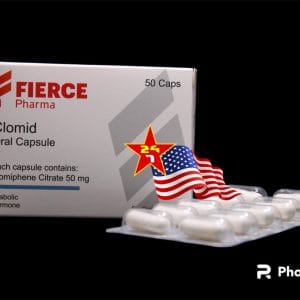
Original price was: $ 129.00.$ 119.00Current price is: $ 119.00.
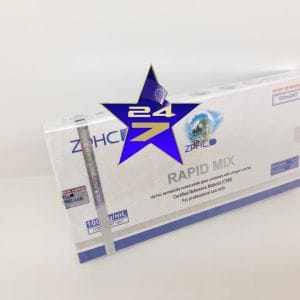
ZPHC Clomid Clomiphene 25mg/tablet | 100 Tablets Total: 2500mg

Original price was: $ 159.00.$ 65.00Current price is: $ 65.00.


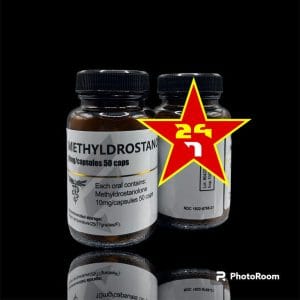


P21 peptide is a small bioactive peptide derived from the CDK inhibitor p21, which plays a critical role in regulating the cell cycle by inhibiting cyclin-dependent kinases. This peptide has gained attention for its potential therapeutic applications, particularly in the fields of oncology and regenerative medicine. By mimicking the activity of the p21 protein, the P21 peptide can modulate cell proliferation and promote apoptosis in cancer cells, thus offering a promising avenue for cancer treatment. Additionally, its ability to influence cell cycle dynamics makes it a candidate for enhancing tissue repair and regeneration, as it can potentially aid in controlling cell growth and differentiation in damaged tissues. Beyond its medical applications, the P21 peptide is also of interest in biomedical research for understanding the mechanisms of cell cycle regulation and the intricate balance of cellular processes involved in health and disease.