How Peptides Are Revolutionizing Modern Medicine
TABLE OF CONTENTS

Human Growth Hormone (HGH) and peptides have gained widespread attention for their potential benefits in performance enhancement, anti-aging, and overall vitality. As more individuals explore these substances, it’s crucial to understand what they offer, how they work, and what precautions should be taken.
Understanding HGH and Peptides
Human Growth Hormone, naturally produced by our pituitary gland, plays a vital role during our growth years. It supports tissue growth, cell regeneration, and maintains healthy bone density. As we age, HGH levels decline, leading to an interest in its synthetic form to compensate for these losses.
Peptides, on the other hand, are short chains of amino acids and are typically involved in signaling other cells in the body to perform various functions. They can promote muscle growth, enhance fat loss, and offer other health benefits. By mimicking the functions of naturally occurring peptides and hormones, synthetic peptides aim to optimize bodily functions that might be lagging.
How They Work
HGH and peptides work by engaging with the body’s natural receptors to regulate and enhance bodily processes. HGH specifically binds to receptors on various cells, prompting growth and regeneration. Peptides can bind to receptors to stimulate the production of specific hormones or enzymes, influencing processes like protein synthesis or the breakdown of fat.
Benefits and Concerns
The potential benefits of HGH and peptides are considerable. Individuals report increased energy levels, improved muscle mass, enhanced recovery times, and rejuvenated skin quality. However, misleading claims and misuse have cast a shadow over these substances. It’s essential to approach them with caution and prioritize well-researched products and recommended dosages.
Misuse or overuse can lead to side effects such as joint pain, abnormal growth of bones and tissues, and risk of diabetes. It’s recommended to consult experts or medical professionals before starting any HGH or peptide regimen.
Conclusion
Human Growth Hormone and peptides offer a fascinating glimpse into the potential of biochemistry to improve human health and performance. They should be used responsibly, with an understanding of their mechanisms and effects. As research continues, it is hoped they will unlock even further potential in medical therapies and enhancement strategies.
FAQs
What are HGH and Peptides?
HGH is a hormone responsible for growth and cell regeneration, while peptides are compounds that influence body processes by signaling cellular responses.
What are the main benefits of using HGH and Peptides?
They potentially increase muscle mass, improve skin elasticity, aid in fat loss, enhance recovery times, and boost energy levels.
Are there any risks associated with HGH and Peptides?
Yes, potential side effects include joint pain, increased risk of diabetes, and abnormal growth of bones. Consulting with a healthcare provider is crucial.
Where can I learn more about HGH and Peptides?
For more information, consider visiting resources like PubMed for scientific studies or WebMD for health-related articles.
BIG SALE | FAST SHIPPING
HOT PROMOTIONS!

Beligas 10ml Vial Testosterone NPP Blend 150mg

Original price was: $ 119.00.$ 99.00Current price is: $ 99.00.


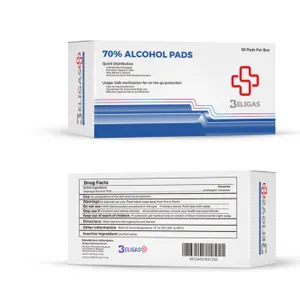
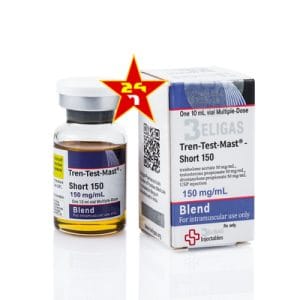


Human Growth Hormone (HGH) and peptides have garnered significant attention in both medical and athletic communities due to their capabilities in promoting growth, recovery, and enhanced physical performance. HGH is a naturally occurring hormone produced by the pituitary gland, vital for growth in children and maintaining tissues and organs in adults. Synthetic HGH is often employed to treat growth disorders in children and growth hormone deficiency in adults. Peptides, on the other hand, are short chains of amino acids and function as building blocks of proteins; they play a crucial role in various biological processes. In the context of performance and appearance, certain peptides can stimulate the release of HGH, potentially aiding in muscle growth, fat loss, and improved repair and recovery which appeals to bodybuilders and athletes. However, the use of HGH and peptides outside of clinical settings often stirs ethical concerns and potential side effects, necessitating careful consideration and regulation.