
How PPC-157 is Shaping the Future of Peptide Therapy

The realm of biochemistry and biotechnology constantly evolves, bringing in new molecules and compounds that promise to alter our understanding of human health and biological processes. Among these advancements, PPC157 emerges as a noteworthy peptide that holds significant potential in therapeutic and research applications.
Understanding the Basics of PPC157
At its core, PPC157 is a small chain of amino acids, a peptide that has garnered attention due to its versatile applications. This molecule is engineered to influence various biochemical processes, which positions it as a critical component in studies and treatments related to cellular function, repair, and metabolic regulation.
The Mechanism of Action of PPC157 Peptide
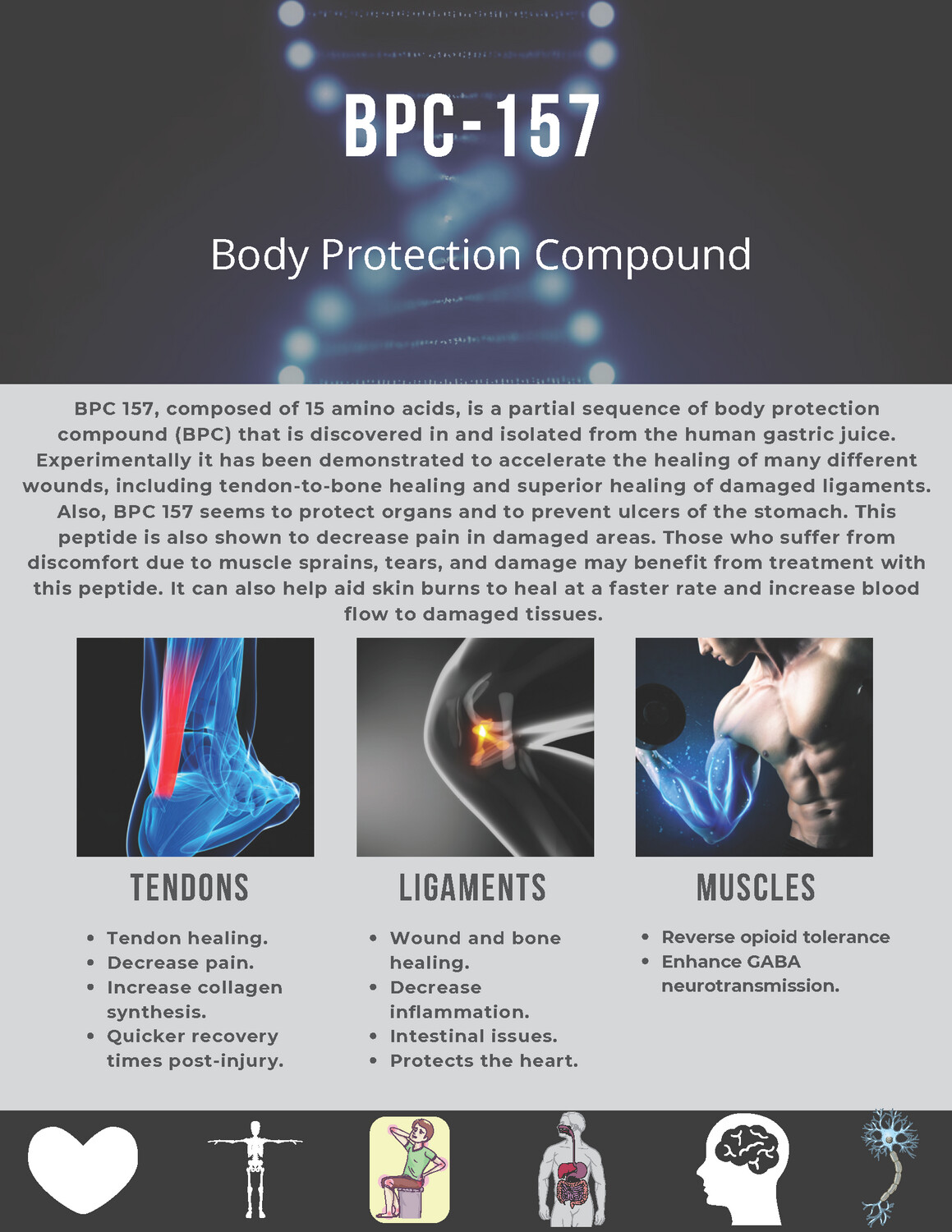
PPC157 was synthesized to act specifically on biochemical pathways that control inflammation, tissue repair, and cellular communication. This peptide interacts with receptors on cell membranes, modulating signal transduction pathways that are crucial for the healing processes. By enhancing these signals, PPC157 can potentially accelerate recovery from injuries and optimize cellular functions.
Applications and Implications of PPC157
The application of PPC157 spans both clinical research and therapeutic domains. In clinical settings, this peptide is primarily explored for its potential in aiding wound healing, reducing inflammation, and supporting tissue regeneration. In research contexts, scientists are investigating its effects on cellular metabolism and signaling, which could reveal further applications in chronic disease management and anti-aging strategies.
PPC157: Safety and Regulatory Considerations
While the potential of PPC157 is significant, safety and regulatory aspects remain at the forefront of its development. Extensive clinical trials and studies are essential to thoroughly understand its efficacy and safety profile. Regulatory bodies scrutinize these aspects to ensure that therapies involving PPC157 meet the stringent standards required for human application.
Conclusion
In conclusion, PPC157 stands as a promising peptide with vast possibilities in both therapeutic and research settings. Its ability to modulate cellular functions opens doors to new treatments for a range of ailments. However, further research and regulatory assessments are necessary to fully harness its potential and ensure its safe integration into medical and scientific practices.
FAQs
What makes PPC157 unique compared to other peptides?
PPC157’s distinctiveness lies in its targeted mechanism that influences crucial cellular pathways involved in inflammation and tissue repair, potentially offering more focused therapeutic benefits.
Is PPC157 safe for human use?
PPC157 is currently under investigation. While preliminary results are promising, comprehensive clinical trials are ongoing to establish its safety and efficacy for human applications.
How can PPC157 be used in research?
Researchers utilize PPC157 to study cellular signaling mechanisms and metabolic pathways, enhancing our understanding of biological processes that could lead to innovative medical therapies.
BIG SALE | FAST SHIPPING
HOT PROMOTIONS!
CLOMID 50MG FIERCE 50 TABLETS
Original price was: $ 129.00.$ 119.00Current price is: $ 119.00.
CYT 3 6MG | T3 | Yohimbe | Clen | Weight Loss Blend | 100 Tablets Total Kit 600mg
$ 69.00

ZPHC UltraMix 10ml MultiUse Vial 1ml = 250mg
Original price was: $ 255.00.$ 179.00Current price is: $ 179.00.
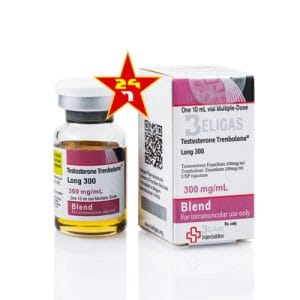
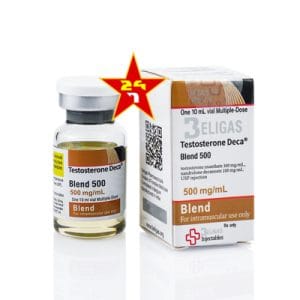
FIERCE CLOMID 50MG 50CAPS
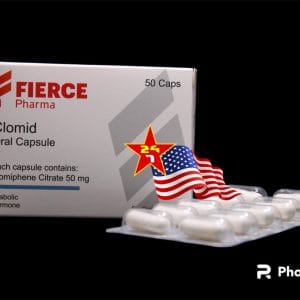
Original price was: $ 129.00.$ 119.00Current price is: $ 119.00.

Ppc157 peptide is a bioactive compound that has garnered attention for its promising therapeutic potential, particularly in the realm of regenerative medicine and tissue repair. This peptide is derived from the natural processes of the body and has been shown to have significant effects in enhancing cellular repair mechanisms. It is thought to function by modulating cellular signals that are critical for the regeneration of damaged tissues, making it a focal point of research in treatments aiming to accelerate healing. The therapeutic applications of Ppc157 are diverse, including possible roles in wound healing, reducing inflammation, and promoting recovery from musculoskeletal injuries. Research into this peptide is ongoing, with scientists aiming to fully elucidate its mechanisms of action and potential side effects in order to harness its capabilities for clinical applications.