Human growth hormone sales
TABLE OF CONTENTS

Understanding Human Growth Hormone Sales
Human growth hormone (HGH) has garnered significant attention over the years, especially within industries related to fitness, anti-aging, and bodybuilding. It’s crucial to understand the dynamics surrounding its sales, benefits, and legal implications. In this article, we explore commonly asked questions about human growth hormone sales and its role within the fitness community.
What is Human Growth Hormone?
Human growth hormone is naturally produced by the pituitary gland and plays a vital role in growth, body composition, cell repair, and metabolism. It’s especially significant during adolescence, aiding in muscle growth, bone density, and overall health.
Why Do People Use Human Growth Hormone?
Outside of medical contexts, people often use HGH to enhance physical performance, build muscle, and improve recovery times. Many in the athletic community believe that it helps maintain, build, and repair healthy tissue in the brain and other organs. For bodybuilders, HGH assists in muscle building processes and is believed to reduce fat accumulation, thus potentially promoting a more ‘cut’ appearance.
How is Human Growth Hormone Sold?
The sales of human growth hormone essentially occur through prescriptions in a medical setting, intended for specific health conditions like growth disorders or deficiencies. However, there is a substantial underground market as well. Non-prescription sales often occur online and can present legal and health risks. Buyers should exercise caution and conduct thorough research before purchasing, especially when online vendors make exaggerated claims about health benefits.
Is it Legal to Buy and Sell Human Growth Hormone?
In many countries, including the United States, HGH is classified as a controlled substance under anti-doping laws. This limits legal sales strictly to prescribed medical needs. Possessing or distributing HGH outside legal stipulations can result in severe penalties, including fines and imprisonment. Athletes should be especially cautious, as banned use can lead to sanctions or bans from sporting events.
What Are the Risks?
Like any substance used improperly, HGH can pose certain risks. Possible side effects from unregulated use include joint pain, muscle weakness, insulin resistance, and increased risk of certain cancers. Importantly, unverified suppliers may deliver unsafe products that could exacerbate these risks. Therefore, relying on trusted medical advice and legal pathways for obtaining HGH is crucial for safety.
Why are Human Growth Hormone Sales Controversial?
The controversy surrounding HGH partly stems from its misuse. As it is often promoted as a magic solution for aging, weight loss, or athletic prowess, some exploitation and misinformation exist around its benefits versus its risks. The challenge lies in the balance between legitimate medical use and non-medical exploitation, which muddies the waters in public perception and logistical regulation.
Conclusion
Human growth hormone, when used correctly and legally, contributes significantly to managing health conditions associated with growth. However, when it comes to unauthorized sales and use, it stands as a topic fraught with legal implications and health risks. Whether you’re pursuing it for medical reasons or considering it from a performance angle, it is imperative to prioritize safety, legality, and scientific guidance.
BIG SALE | FAST SHIPPING
HOT PROMOTIONS!
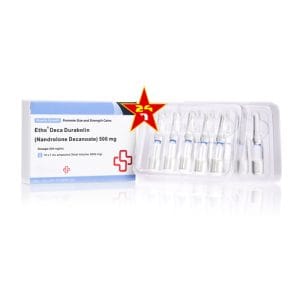
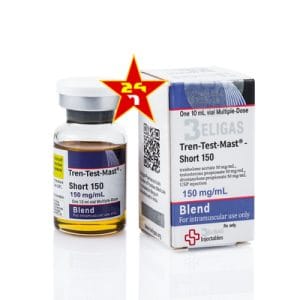
Fierce nandrolone decanoate 300 / ml 10ml
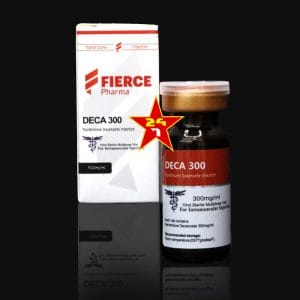
Original price was: $ 131.00.$ 119.00Current price is: $ 119.00.
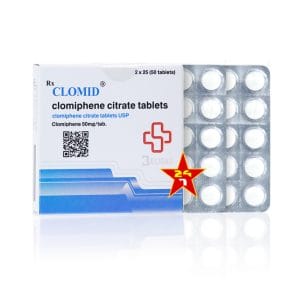


ZPHC UltraMix 10ml MultiUse Vial 1ml = 250mg

Original price was: $ 255.00.$ 179.00Current price is: $ 179.00.
Utilizing HGH effectively requires knowledge and caution. This ensures that its advantages can be harnessed safely, avoiding unnecessary legal and health issues. Engaging credible medical providers and adhering to legal structures is paramount in navigating the HGH landscape.
Human growth hormone (HGH) sales have seen significant fluctuations over the years, largely influenced by evolving regulations, advancements in medical research, and increasing public interest in anti-aging and performance-enhancement treatments. Originally approved for specific medical conditions such as growth hormone deficiencies in children and adults, as well as certain syndromes, HGH has garnered attention in broader, often unapproved, contexts like athletic performance and age-related therapies. This surge in interest has propelled the growth of a substantial but controversial market, blending legitimate medical prescriptions with a burgeoning black market fueled by the pursuit of enhanced physical capabilities and youthful appearance. Stricter regulatory frameworks and rampant counterfeit issues continue to challenge the industry, as stakeholders navigate the fine line between therapeutic use and potential abuse, underscoring the need for balanced, informed approaches to HGH distribution and sales.