Humanin Peptide: Unlocking New Avenues in Cellular Protection
TABLE OF CONTENTS

Humanin Peptide, a small polypeptide, has garnered significant attention due to its potential therapeutic benefits. Initially identified in the brain, this mitochondrial-derived peptide plays a crucial role in cell survival and protection against various age-related diseases.
The Role of Humanin Peptide
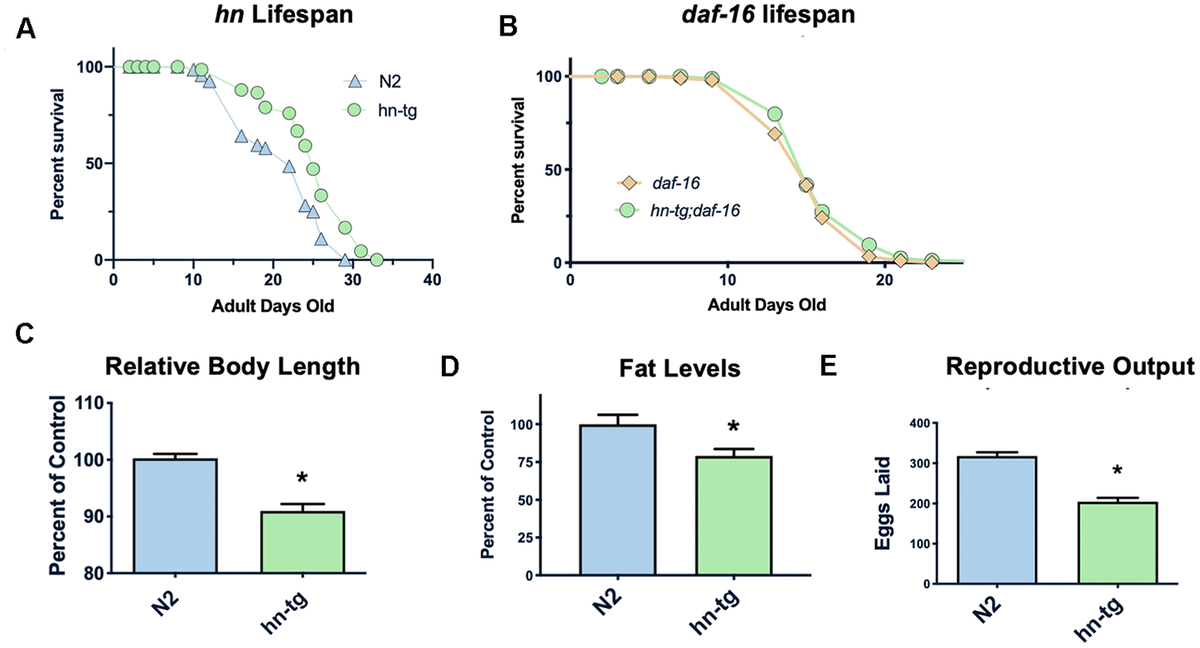
Research suggests that Humanin Peptide possesses neuroprotective properties, particularly in the context of Alzheimer’s and other neurodegenerative diseases. By interacting with specific receptors, this peptide helps reduce cell death, providing a promising avenue for future treatments.
Aside from its neuroprotective role, Humanin Peptide also enhances insulin sensitivity and could play a part in managing type 2 diabetes. Its multifaceted effects make it a key subject in the field of metabolic research.
Benefits and Applications of Humanin Peptide
The potential benefits of Humanin Peptide extend beyond neurodegenerative conditions. Studies indicate that it may contribute to cardiovascular protection and improve overall cellular function. Its ability to mitigate oxidative stress and inflammation positions it as a potential therapeutic agent for numerous health issues.
Furthermore, the peptide has shown promise in enhancing muscle tissue regeneration and repair. This has made it of interest in the realm of bodybuilding and fitness. For those looking to explore the benefits of Humanin Peptide further, platforms like Steroid Planner and John Doe Bodybuilding provide invaluable resources.
FREE SHIPPING
HOT PROMOTIONS!
BIG SALE | FAST SHIPPING

STADA VIAGRA SILDENAFIL ♂ 100MG 30ML
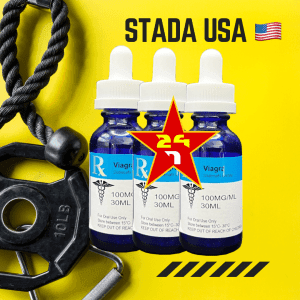
Original price was: $ 116.00.$ 89.00Current price is: $ 89.00.

Beligas RETHO Cialis 5mg/100tabs
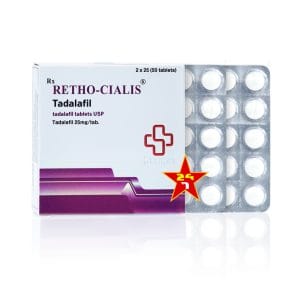
Original price was: $ 99.00.$ 69.00Current price is: $ 69.00.
ILLUSTRA BRAND | Liquid BAC water 10ml BA+0.9% Benzyl Alcohol
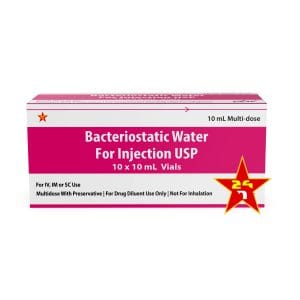
Original price was: $ 60.00.$ 39.00Current price is: $ 39.00.
Beligas PT-141 10mg 1 + 1 BA Liquid

Original price was: $ 79.00.$ 69.00Current price is: $ 69.00.
ANAVAR CYCLE | PILLS 10mg 80 TABLETS FIERCE OFFER

Original price was: $ 99.00.$ 89.00Current price is: $ 89.00.
Beligas BelTropin HGH 100iu 10iu x 10 vials
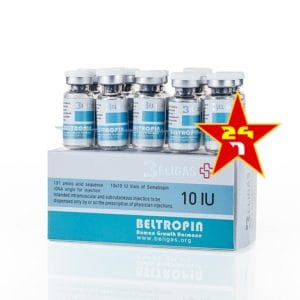
Original price was: $ 414.00.$ 259.00Current price is: $ 259.00.

Scientific Research and Discoveries
Ongoing research continues to unravel the myriad benefits of Humanin Peptide. While its effects on aging and disease processes have been widely studied, scientists are delving deeper into its molecular mechanisms. Resources such as Steroid provide insights into this growing body of knowledge.
New peptides are constantly being developed with the aim of replicating or enhancing the natural functions of Humanin Peptide, potentially leading to groundbreaking treatments for a range of diseases.
Conclusion
Humanin Peptide holds promise as a versatile therapeutic agent. Its role in protecting cells from damage and improving metabolic health highlights its potential as a treatment for various conditions. Continued research is essential to fully understand its capabilities and applications.
FAQs
What is Humanin Peptide?
Humanin Peptide is a mitochondrial-derived peptide known for its protective effects against cellular damage and age-related diseases.
How does Humanin Peptide benefit health?
It offers neuroprotection, enhances insulin sensitivity, supports cardiovascular health, and aids in muscle repair.
Where can I learn more about peptides and supplements?
Platforms like Ulaska provide comprehensive insights into peptides and supplements, highlighting new developments.
Humanin peptide is a small, naturally occurring mitochondrial-derived peptide with significant neuroprotective and cytoprotective properties. Discovered in the context of neurodegenerative disease research, it has shown potential in protecting neurons from various insults, including oxidative stress and apoptosis. Humanin operates by interacting with specific cell-surface receptors and intracellular pathways, influencing processes such as cell survival and metabolism. Beyond its neuroprotective effects, research has indicated potential benefits in cardiovascular health, insulin sensitivity, and overall longevity. As a result, Humanin is being explored for its therapeutic potential in treating age-related disorders and enhancing mitochondrial function.