
IGF-1-BP3: Potential Implications for Growth and Metabolism

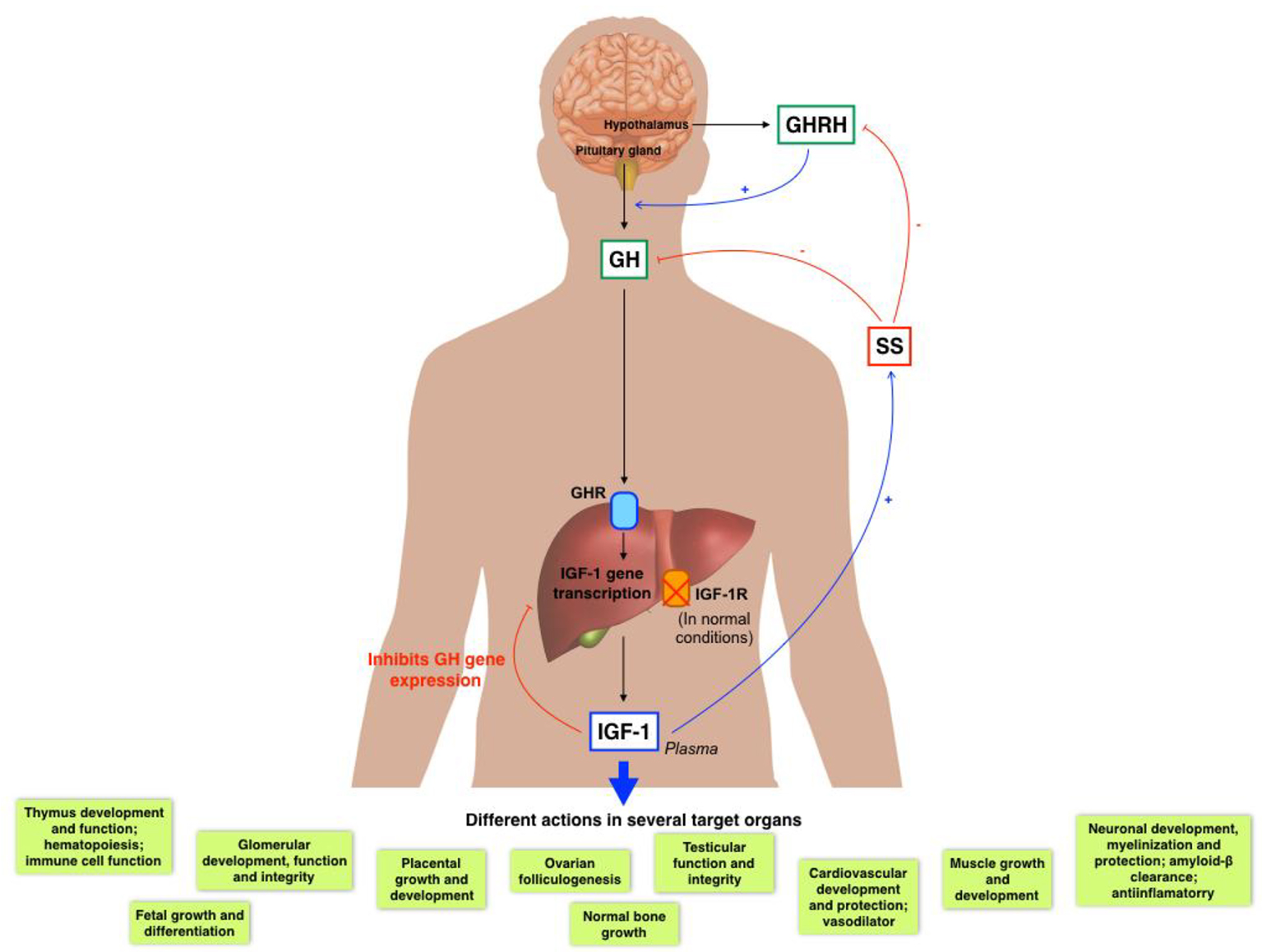
IGF-1-BP3, or Insulin-like Growth Factor Binding Protein 3, is a protein that plays an essential role in the human body’s growth and development. This protein is part of a complex system that regulates the activity of Insulin-like Growth Factors (IGFs), which are critical for various physiological processes. By binding to IGFs, IGF-1-BP3 modulates their bioavailability and activity, impacting growth, cell development, and metabolism.
Functions of IGF-1-BP3
IGF-1-BP3 is the most abundant binding protein in circulation, accounting for approximately 80% of all IGF binding. It enhances the half-life of IGFs in the bloodstream by protecting them from degradation. This increase in the half-life of IGFs allows them to be available for longer periods, thereby enhancing their therapeutic and biological effects. Additionally, IGF-1-BP3 helps to transport IGFs to target tissues, facilitating their interaction with IGF receptors.
IGF-1-BP3 in Growth and Development
The primary function of IGF-1-BP3 is to regulate and prolong the actions of IGF-1, which plays a crucial role in childhood growth and continues to have anabolic effects in adults. By modulating IGF-1 availability, IGF-1-BP3 ensures proper development and functioning of muscles, bones, and organs. Imbalances in IGF-1 or IGF-1-BP3 levels can lead to growth disorders in children and metabolic issues in adults.
Clinical Significance of IGF-1-BP3
IGF-1-BP3 levels can serve as diagnostic markers for various diseases. For instance, low levels are often associated with growth hormone deficiencies, while high levels might indicate acromegaly. Moreover, in oncology, IGF-1-BP3 is being studied for its potential roles in cancer prognosis and therapy, as its dysregulation can affect tumor growth and survival.
Conclusion
In summary, IGF-1-BP3 is crucial for maintaining the balance and function of IGFs within the human body. Its ability to bind IGFs and regulate their presence and activity underscores its importance in growth, metabolism, and possibly disease pathogenesis. Understanding the dynamics of IGF-1-BP3 can lead to significant advancements in both diagnostic and therapeutic areas.
FAQs
What is IGF-1-BP3?
IGF-1-BP3 stands for Insulin-like Growth Factor Binding Protein 3, a protein crucial in regulating IGF activity within the body.
How does IGF-1-BP3 affect growth?
IGF-1-BP3 enhances the half-life and bioavailability of IGF-1, which is vital for normal growth and development, particularly in children.
Why is IGF-1-BP3 important in medicine?
IGF-1-BP3 levels help diagnose growth disorders and may have implications in treating cancer due to its regulatory role in IGF activity.
BIG SALE | FAST SHIPPING
HOT PROMOTIONS!





Fierce nandrolone decanoate 300 / ml 10ml

Original price was: $ 131.00.$ 119.00Current price is: $ 119.00.
Beligas 10ml Vial Testosterone NPP Blend 150mg

Original price was: $ 119.00.$ 99.00Current price is: $ 99.00.
CLOMIPHENE TABLETS 50mg 50 TABLETS FIERCE

Original price was: $ 99.00.$ 89.00Current price is: $ 89.00.
Insulin-like growth factor-binding protein 3 (IGF-1-BP3) is a crucial regulatory protein that modulates the activity of insulin-like growth factors (IGFs), primarily IGF-1. It is the most abundant IGF-binding protein in human serum and plays a significant role in the endocrine regulation of growth and development by prolonging the half-life of IGFs and modulating their interaction with IGF receptors. By binding to IGF-1 with high affinity, IGF-1-BP3 not only regulates its availability in the circulation but also influences cellular processes such as proliferation, differentiation, and apoptosis. Beyond its physiological role, IGF-1-BP3 has been studied for its potential involvement in various pathological conditions, including cancer, where it may influence tumor growth and metastasis. Its levels in circulation are often investigated in clinical settings as a biomarker for growth disorders, nutritional status, and other metabolic conditions.