Inside PSGAG: Revolutionizing the Industry
TABLE OF CONTENTS

The Importance of Polysulfated Glycosaminoglycan
PSGAG are complex molecules that appear naturally in the cartilage and connective tissues of animals. These molecules help maintain the health of these tissues by providing structural integrity and lubrication. Over time, factors like aging, injury, or disease can compromise joint function, leading to conditions such as arthritis. Administering PSGAG can therefore be crucial in managing and alleviating joint pain and degradation in animals.
Clinical Applications of PSGAG Therapy
The use of PSGAG in veterinary practice primarily focuses on treating osteoarthritis in dogs, horses, and sometimes cats. By supplementing these essential molecules, veterinarians aim to slow the progression of degenerative joint diseases. PSGAG therapy is often recommended for pets showing signs of stiffness, reduced mobility, or discomfort due to joint stress or injuries, making it an invaluable tool for improving animal welfare.
Mechanism of Action
When PSGAG are administered, they integrate into the joint matrix and stimulate the synthesis of collagen and other essential components of the cartilage matrix. This action not only helps in cushioning the joints but also decreases inflammation and improves the lubrication of the joint space. The result is a reduction in pain, an increase in joint flexibility, and an improvement in the overall quality of life for the animal.
Effectiveness and Considerations
While PSGAG therapy has demonstrated considerable effectiveness in many cases, it is essential to consult with a veterinarian to determine the appropriate dosage and treatment schedule for each individual animal. Factors such as the severity of the condition, the animal’s age, health status, and concomitant medications must be considered. Furthermore, PSGAG is not intended to be a standalone solution but is most effective when combined with other treatment modalities such as weight management, diet changes, and physical therapy.
Conclusion
In summary, PSGAG represents a vital advancement in treating joint-related diseases in veterinary medicine. By understanding its mechanisms and application, pet owners and veterinarians can better manage conditions like osteoarthritis, ultimately enhancing the quality of life for affected animals. As science progresses, so does the potential of PSGAG to make a difference in veterinary care.
BIG SALE | FAST SHIPPING
HOT PROMOTIONS!


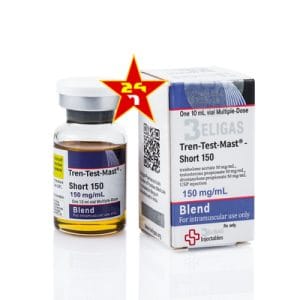

Beligas 10ml Vial Testosterone NPP Blend 150mg

Original price was: $ 119.00.$ 99.00Current price is: $ 99.00.



ZPHC Clomid Clomiphene 25mg/tablet | 100 Tablets Total: 2500mg
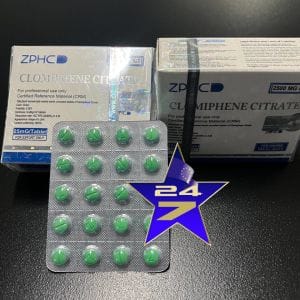
Original price was: $ 159.00.$ 65.00Current price is: $ 65.00.
FAQs about PSGAG
- What is PSGAG?
- PSGAG stands for polysulfated glycosaminoglycan, a compound used to support joint health in animals.
- How is PSGAG administered?
- PSGAG is generally administered through injections or oral supplements, depending on the specific product and treatment plan.
- Are there any side effects of PSGAG treatment?
- Side effects are relatively rare but can include instances of injection site reactions or gastrointestinal upset. Always consult your veterinarian for personalized advice.
PSGAG, or Polysulfated Glycosaminoglycan, is a therapeutic agent primarily used in veterinary medicine, particularly for horses and dogs, to manage joint-related conditions such as osteoarthritis. These compounds mimic the action of natural glycosaminoglycans, which are vital components of cartilage and synovial fluid, playing a crucial role in maintaining joint health. By augmenting the quality and quantity of synovial fluid and supporting the repair of cartilage, PSGAG helps in reducing joint pain and inflammation, thereby improving mobility and quality of life for animals suffering from degenerative joint issues. Typically administered through intramuscular injections, PSGAG is valued for its ability to provide relief from symptoms associated with joint degeneration and enhance the structural integrity of joint tissues, making it a significant tool in the management of chronic joint ailments in veterinary care.