Is bac water the same as sterile water
TABLE OF CONTENTS

When it comes to medical and bodybuilding contexts, terms like “bac water” and “sterile water” often crop up. While these two might sound similar, they serve distinct purposes. In this article, we’ll explore the differences and similarities to answer the question: Is bac water the same as sterile water?
Understanding Bac Water
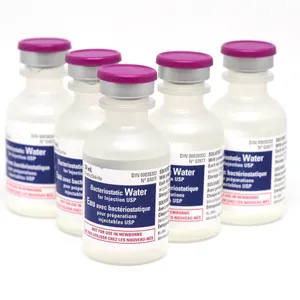
Bacteriostatic water, commonly known as “bac water,” is a type of sterile water that contains 0.9% benzyl alcohol. This component inhibits the growth of pathogens over a specific period, which is why it’s often used to dilute medications for injectable purposes. Bac water is especially prominent in fields that require precise medication dosages, such as hormone injections in bodybuilding. 💪
Applications of Bac Water
Bac water is indispensable in scenarios where medications are stored for multiple uses. The benzyl alcohol prevents bacterial growth in multi-dose vials, allowing for safer multi-draw injections. Athletes and bodybuilders often use it for diluting peptide hormones and steroids, ensuring their safety during repeated usage. 🏋️♂️
Understanding Sterile Water
On the other hand, sterile water is devoid of microbial life, containing neither preservatives nor any additives. Sterile water is primarily used in situations where there’s no need for continuous microbial control. It’s commonly used for single-dose injections and in instances where the medication must remain uncontaminated throughout its use.
Applications of Sterile Water
Without any preservatives, sterile water is ideal for immediate use. It’s often employed in medical settings for health institutions where the patient receives a single, isolated dose. Although it’s pure and free from microbes, sterile water lacks bacteriostatic qualities, making it unsuitable for long-term storage once opened. 🤔
Is Bac Water the Same as Sterile Water? A Direct Comparison
While both bac water and sterile water serve to dilute injectable substances, their primary distinction lies in shelf-life and contaminant control. Bac water, with its bacteriostatic properties, is suitable for multiple uses, whereas sterile water remains pure and uncontaminated for one-time use only.
Conclusion
To address the question: Is bac water the same as sterile water? The answer is “No.” Despite their similarities, their differences are significant in usage and application context. When choosing between bac water and sterile water, consider the intended use, duration of requirements, and potential for bacterial contamination. Making an informed choice can enhance efficacy and ensure safety, especially in environments heavily focused on health and fitness. 🏆
FAQs
Q: Can sterile water be used instead of bac water?
A: It depends on the application. For multi-use situations, bac water is recommended due to its preservative properties.
Q: What happens if I use bac water beyond its recommended timeframe?
A: Beyond its effectiveness period, the bacteriostatic properties may weaken, opening the risk of bacterial contamination.
Q: Is bac water available over the counter?
A: While it is available in some places without a prescription, it’s essential to follow local regulations and use it responsibly.
BIG SALE | FAST SHIPPING
HOT PROMOTIONS!


ZPHC Clomid Clomiphene 25mg/tablet | 100 Tablets Total: 2500mg
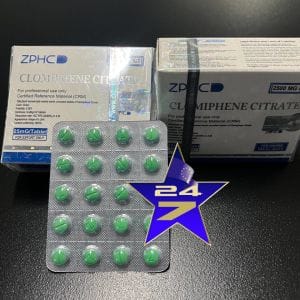
Original price was: $ 159.00.$ 65.00Current price is: $ 65.00.
By understanding the distinct roles of bac water and sterile water, you can make enlightened choices in your health journey. #Bodybuilding #Bodybuildingmotivation #Powerlifting #Bodybuilder #Heavyweightlifting #Workoutathome #stayfit #bodybuilding
Bacteriostatic water (BAC water) and sterile water are both types of purified water used in medical and laboratory settings, but they have distinct differences. Bacteriostatic water is specifically formulated to inhibit the growth of bacteria, achieved by adding a small amount of benzyl alcohol, typically about 0.9%. This makes it useful for multiple-dose applications where repeated use from the same vial is necessary. In contrast, sterile water is simply free of any living microorganisms and does not contain any additives to prevent bacterial growth. It is often used for single-dose applications because, once opened, the absence of bacteriostatic agents allows for potential contamination. While both are used for diluting medications or reconstituting powdered drugs, the choice between bacteriostatic water and sterile water depends largely on the specific clinical or laboratory requirements, particularly in terms of sterility duration and the nature of the intended use.