Is Melanotan II the Future of Sunless Tanning?
TABLE OF CONTENTS

Melanotan II has captivated immense interest in the beauty and wellness industries for its potential to enhance tanning and promote skin health. Originally developed as a potential skin cancer treatment, this peptide has evolved into a popular tanning agent. But, what exactly is Melanotan II, and should it find a place in your skincare routine? 🌟
What is Melanotan II?
Melanotan II is a synthetic peptide that mimics the alpha-melanocyte-stimulating hormone (α-MSH) in the body. By promoting the production of the pigment melanin, it helps darken the skin to create a tan-like appearance, potentially without sun exposure. Its applications extend beyond mere cosmetic benefits, as it is explored for its possible effects on appetite suppression and libido enhancement.
How Does Melanotan II Work?
Upon injection, Melanotan II binds to melanocortin receptors, stimulating the production of melanin in skin cells. This process leads to a gradual darkening of the skin, providing a natural-looking tan over time. Additionally, some advocate its use for weight loss due to its appetite-suppressing effects.
Benefits of Melanotan II
-
- Tanning: Achieve a sun-kissed glow without prolonged exposure to UV rays.
-
- Convenience: An alternative to topical tanning products.
-
- Potential Health Benefits: Under study for appetite suppression and libido enhancement.
Risks and Considerations
While the benefits seem appealing, Melanotan II is not without its challenges. The potential side effects include nausea, flushing, and in some cases, issues with irregular skin pigmentation. Safety concerns stem from its unregulated status in many countries, leading to legal and health risks.
Conclusion
Melanotan II offers intriguing possibilities for those seeking an alternative to traditional tanning methods and beyond. However, its use should be approached with caution due to potential side effects and regulatory concerns. Prior consultation with healthcare professionals is advised to ensure safety and effectiveness before considering its integration into your beauty or wellness routine. 😊
FAQs
What is the best method for using Melanotan II?
Injections are the most common method, but it’s crucial to ensure sterile practices and possibly consult a healthcare provider.
Are there long-term effects of using Melanotan II?
Long-term effects still demand further research. Regular monitoring and professional guidance can mitigate potential risks.
Is Melanotan II legal?
The legality varies by country, often not approved by regulatory health agencies. Checking local regulations prior to purchase is recommended.
FREE SHIPPING
BIG SALE | FAST SHIPPING
HOT PROMOTIONS!
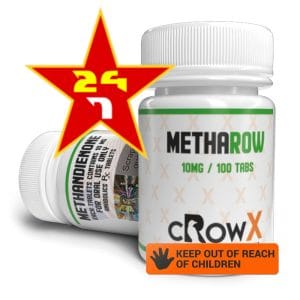



DBOL 50mg TABLETS 50 TABLETS FIERCE

Original price was: $ 110.00.$ 109.00Current price is: $ 109.00.

DIANABOL 50MG FIERCE 50 CAPS

Original price was: $ 119.00.$ 99.00Current price is: $ 99.00.

Embrace the journey towards enhanced skin and wellness by staying informed and prioritizing safety. 🌍
-
- #peptides #skincare #antiaging #b #skin #beauty #collagen #wellness #weightloss #sermorelin #ghrp #stayfit #bodybuilding #injections #hcg #skincareroutine #hcgphase #hcgdiet #hcginjections #doral #hcgplus #hcgworks #miami #hcgpellets #hcgdrops #hcgusers #hcgcommunity #hcgresults #miamibeach #hcgprotocol #hcgchica #alastinskincare
Melanotan II is a synthetic analogue of the naturally occurring hormone α-melanocyte-stimulating hormone (α-MSH), which is involved in the regulation of skin pigmentation. Developed originally to prevent skin cancer by stimulating natural melanin production and thereby providing a protective tan without the need for harmful UV exposure, Melanotan II has garnered attention for its ability to promote tanning, among other effects. Users often self-administer it through subcutaneous injections, seeking its tanning properties as well as reported side effects like appetite suppression and increased libido. However, its use is not without controversy; concerns regarding its safety and potential side effects abound, as it can cause nausea, flushing, and other physiological changes, and its long-term health implications are not well-documented. As it remains unregulated in many countries and is not approved by the FDA, individuals using Melanotan II do so at their own risk, emphasizing the need for further research and regulatory scrutiny.