

ISO Protein vs. Whey: Which Protein Powder Reigns Supreme?
TABLE OF CONTENTS

In the realm of fitness and nutrition, there is often a debate about which protein supplement reigns supreme: Iso protein or whey protein? Both are popular choices among athletes, bodybuilders, and fitness enthusiasts, each with its unique benefits and characteristics. Understanding the differences between these two can help you make an informed choice tailored to your dietary needs and fitness goals.
Understanding Iso Protein and Whey
Whey Protein is a complete protein source derived from milk during the cheese-making process. It contains all nine essential amino acids necessary for muscle repair and growth. Whey is also rich in branched-chain amino acids (BCAAs), particularly leucine, which is vital for muscle protein synthesis.
Iso Protein, on the other hand, generally refers to a more refined version of whey called whey protein isolate. Iso protein undergoes additional processing to remove more of the fats and lactose, resulting in a protein that is often over 90% pure protein by weight. This makes iso protein an excellent choice for those with lactose intolerance or those seeking a lower-calorie protein option.
Iso Protein vs Whey: Key Differences
Protein Content
The primary difference between iso protein and whey protein lies in their protein content. Whey protein concentrate typically contains 70-80% protein, while iso protein or whey protein isolate contains 90% or more. This higher protein content in iso protein allows for a more potent dosage of protein per serving.
Lactose and Fat Content
Lactose-intolerant individuals may prefer iso protein over whey because of its reduced lactose content. Whey protein isolates are processed to remove much of the lactose, making it a better option for those who experience discomfort after consuming lactose.
Digestion and Absorption
Iso protein is generally absorbed faster than regular whey due to its increased refinement. This can be beneficial for post-workout recovery when the body requires quick protein replenishment. However, the rapid absorption may not be as beneficial if you’re looking for a sustained protein release throughout the day.
Cost Considerations
Due to its higher purity and additional processing, iso protein often comes with a heftier price tag compared to standard whey protein concentrate. It’s important to weigh the cost against your specific needs, such as lactose intolerance or the desire for low-fat options.
Conclusion
Choosing between iso protein and whey protein ultimately depends on individual dietary restrictions, fitness goals, and budget. Iso protein offers higher protein content and lower lactose, making it suitable for those needing a purer protein source. On the other hand, whey protein concentrate is a more economical choice for those who don’t have lactose sensitivity and are looking for a cost-effective way to meet their protein needs.
Whether you’re prioritizing muscle gain, weight loss, or overall health, the decision between iso protein and whey protein should align with your specific lifestyle and dietary preferences.
FAQs
What is the main benefit of using iso protein?
Iso protein offers a higher concentration of protein with less fat and lactose, making it perfect for lactose-intolerant individuals and those looking for a more pure protein source.
Is whey protein bad for lactose-intolerant individuals?
Not necessarily. While regular whey protein contains lactose, whey protein isolate (a form of iso protein) has a much lower lactose content and is often tolerable for those with lactose intolerance.
Which is better for muscle gain: iso protein or whey protein?
Both can be effective for muscle gain due to their high-quality protein content. Iso protein provides more protein per gram, but whey protein concentrate is a more budget-friendly choice with similar benefits.
For more detailed information about protein types and their benefits, you may visit Healthline or WebMD.
BIG SALE | FAST SHIPPING
HOT PROMOTIONS!
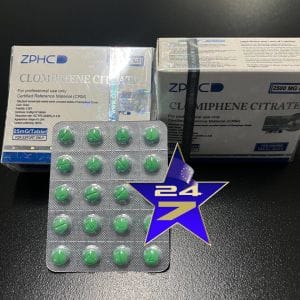
CLOMIPHENE TABLETS 50mg 50 TABLETS FIERCE
Original price was: $ 99.00.$ 89.00Current price is: $ 89.00.
ZPHC Clomid Clomiphene 25mg/tablet | 100 Tablets Total: 2500mg
Original price was: $ 159.00.$ 65.00Current price is: $ 65.00.



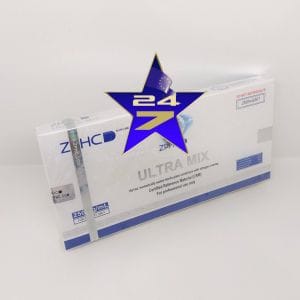
ZPHC UltraMix 1ml amps x 10 amps - 1ml = 250mg
Original price was: $ 259.00.$ 179.00Current price is: $ 179.00.
ISO protein and whey protein are popular supplements, often used to enhance muscle recovery and support lean muscle development. ISO protein, short for isolated protein, usually contains a higher percentage of pure protein per serving compared to regular whey protein. This is achieved through additional processing steps that remove more of the fats and lactose, making it an excellent choice for those sensitive to lactose or seeking to minimize carbohydrate and fat intake. On the other hand, whey protein, which is derived from milk during the cheese-making process, retains slightly more of these components, offering a more balanced nutritional profile. Whey protein is rich in branched-chain amino acids (BCAAs) like leucine, which play a crucial role in muscle protein synthesis. Both ISO protein and whey protein can be effective in supporting muscle growth and recovery, but the choice between them may depend on dietary goals, digestive sensitivities, and individual nutritional needs.