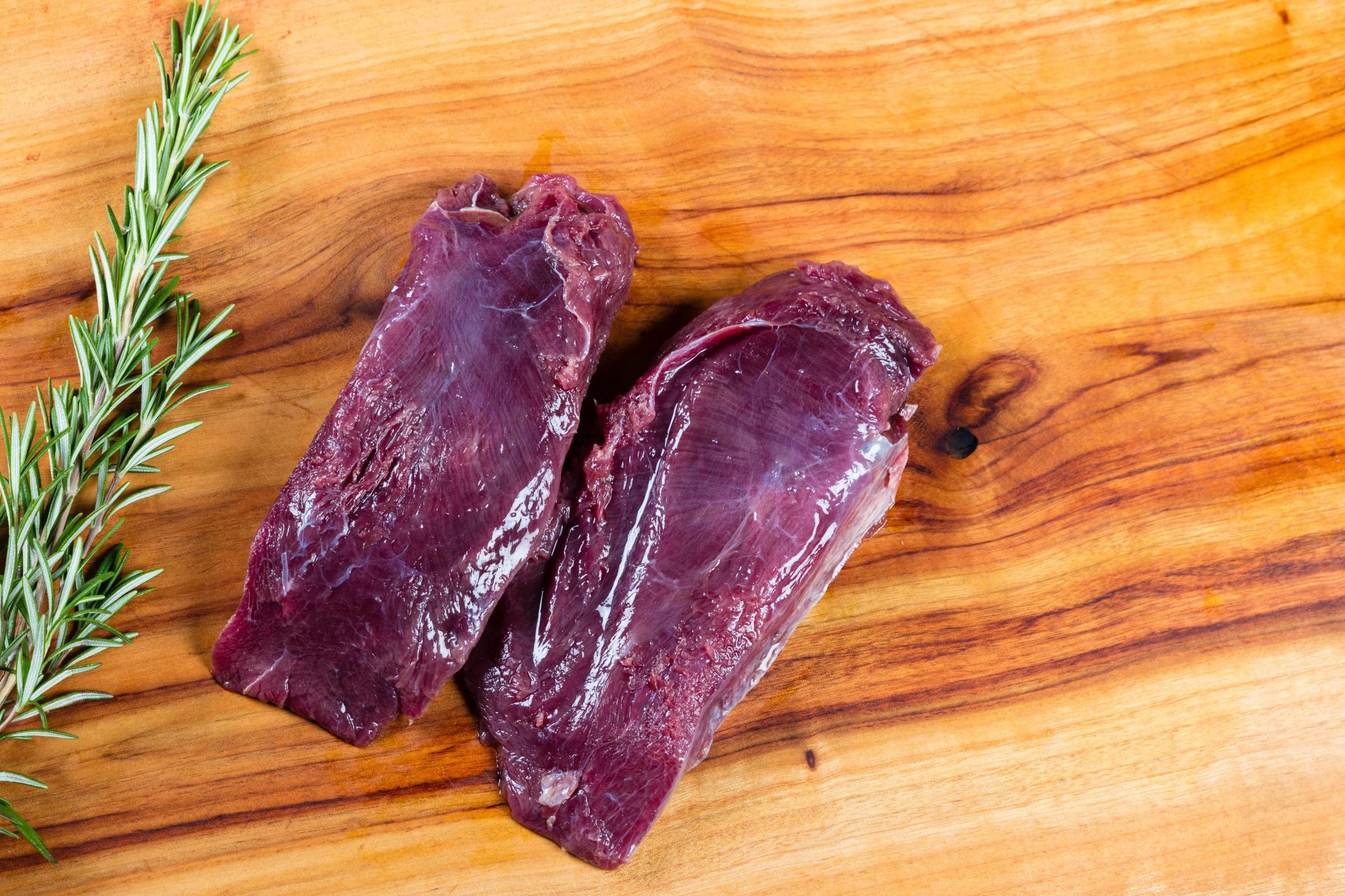
Jump into Nutrition: The Health Benefits of Kangaroo Meat
TABLE OF CONTENTS

Kangaroo meat, often considered a delicacy in its native Australia, is gradually gaining popularity around the world for its unique flavor and health benefits. This lean, protein-rich meat not only offers a novel culinary experience but also serves as an environmentally sustainable option.
The Nutritional Profile of Kangaroo Meat
Rich in nutrients and low in fat, kangaroo meat is an excellent source of high-quality protein, iron, zinc, and omega-3 fatty acids. It is remarkably lean compared to other red meats, making it an attractive choice for those aiming to maintain a healthy diet. The low-fat content, primarily unsaturated, contributes to heart health, while the high levels of iron and zinc provide essential support for the body’s immune system and overall energy production.
Sustainability and Environmental Impact
One of the most compelling reasons to consider incorporating kangaroo meat into your diet is its minimal environmental impact. Kangaroos are indigenous to Australia, and their populations are abundant, ensuring a sustainable harvest. Additionally, kangaroos produce significantly less methane than cattle, making them a more environmentally friendly protein source. For those who are environmentally conscious, opting for kangaroo meat is a step towards reducing the carbon footprint associated with meat consumption.
Cooking Kangaroo Meat
Cooking kangaroo meat requires special attention due to its low fat content, which can make it susceptible to drying out if overcooked. To preserve its moisture and enhance its natural flavors, kangaroo meat is ideally cooked quickly over high heat. Popular methods include grilling, pan-searing, and stir-frying. Marinades, incorporating ingredients like garlic, olive oil, and herbs, complement kangaroo meat’s gamey flavor while tenderizing the meat. Whether as a juicy steak or a succulent stir-fry, kangaroo meat offers versatility in the kitchen.
Culinary Experience and Global Accessibility
While kangaroo meat is most commonly consumed in Australia, its unique taste and health benefits are inspiring chefs and home cooks worldwide to incorporate it into their culinary repertoire. As global demand increases, ethical sourcing and export initiatives have made kangaroo meat more accessible in international markets. This trend reflects a growing interest in sustainable, exotic foods that offer both health benefits and new flavor experiences.
Explore ethical food sourcing and discover the benefits of kangaroo meat in your meals.
Conclusion
Incorporating kangaroo meat into your diet provides a variety of benefits, from incredible nutritional value to environmentally sustainable consumption. Its unique flavor and lean quality make it a standout choice for health-conscious and adventurous eaters alike. As awareness of its ecological advantages grows, kangaroo meat holds promise as a staple in both Australian and international kitchens.
Discover more about sustainable eating practices and embrace this delicious, eco-friendly protein.
FAQs
What does kangaroo meat taste like?
Kangaroo meat has a rich and gamey flavor, somewhat similar to venison, with a tender texture. It pairs well with bold marinades and spices.
Is kangaroo meat safe to eat?
Yes, kangaroo meat is safe to eat when cooked properly. Always ensure that it is sourced from reputable suppliers to maintain safety and quality standards.
Where can I buy kangaroo meat?
Kangaroo meat can be purchased at specialty meat stores, online platforms, and some supermarkets, especially in regions where it is experiencing growing popularity.
BIG SALE | FAST SHIPPING
HOT PROMOTIONS!
ZPHC Clomid Clomiphene 25mg/tablet | 100 Tablets Total: 2500mg

Original price was: $ 159.00.$ 65.00Current price is: $ 65.00.

STADA MEGA CUTS BLEND 300 MG 10ML (TRENBOLONE)

Original price was: $ 129.00.$ 119.00Current price is: $ 119.00.



ZPHC UltraMix 10ml MultiUse Vial 1ml = 250mg

Original price was: $ 255.00.$ 179.00Current price is: $ 179.00.
Beligas 10ml Vial Testosterone NPP Blend 150mg

Original price was: $ 119.00.$ 99.00Current price is: $ 99.00.
ZPHC UltraMix 1ml amps x 10 amps - 1ml = 250mg

Original price was: $ 259.00.$ 179.00Current price is: $ 179.00.
CROWX 👑 CLOMIROW 50 Mg / 50 Tabs ( Clomid )
Original price was: $ 79.00.$ 69.00Current price is: $ 69.00.
Kangaroo meat is an increasingly popular protein source known for its lean quality, ecological benefits, and unique flavor. Harvested primarily in Australia, this meat is prized for being both low in fat and high in protein, making it a healthy choice for those seeking nutritious alternatives to more traditional meats like beef or pork. Additionally, kangaroo meat contains high levels of conjugated linoleic acid (CLA) and essential nutrients such as iron and zinc. From an environmental perspective, kangaroo harvesting contributes to sustainable wildlife management by controlling population numbers, which helps preserve the ecological balance in their natural habitats. The meat itself has a robust, gamey flavor that lends itself well to various culinary applications, from gourmet dishes to barbecues, all while boasting a relatively low carbon footprint compared to other livestock farming practices.