
Kisspeptin: The Hormone Revolutionizing Reproductive Health

Kisspeptin has emerged as a pivotal hormone in the regulation of reproductive health, holding keys to a variety of physiological processes. This peptide governs the initiation of puberty and plays a crucial role in fertility, acting as a signaling molecule that orchestrates the secretion of gonadotropin-releasing hormone (GnRH).
The Role of Kisspeptin in Reproduction
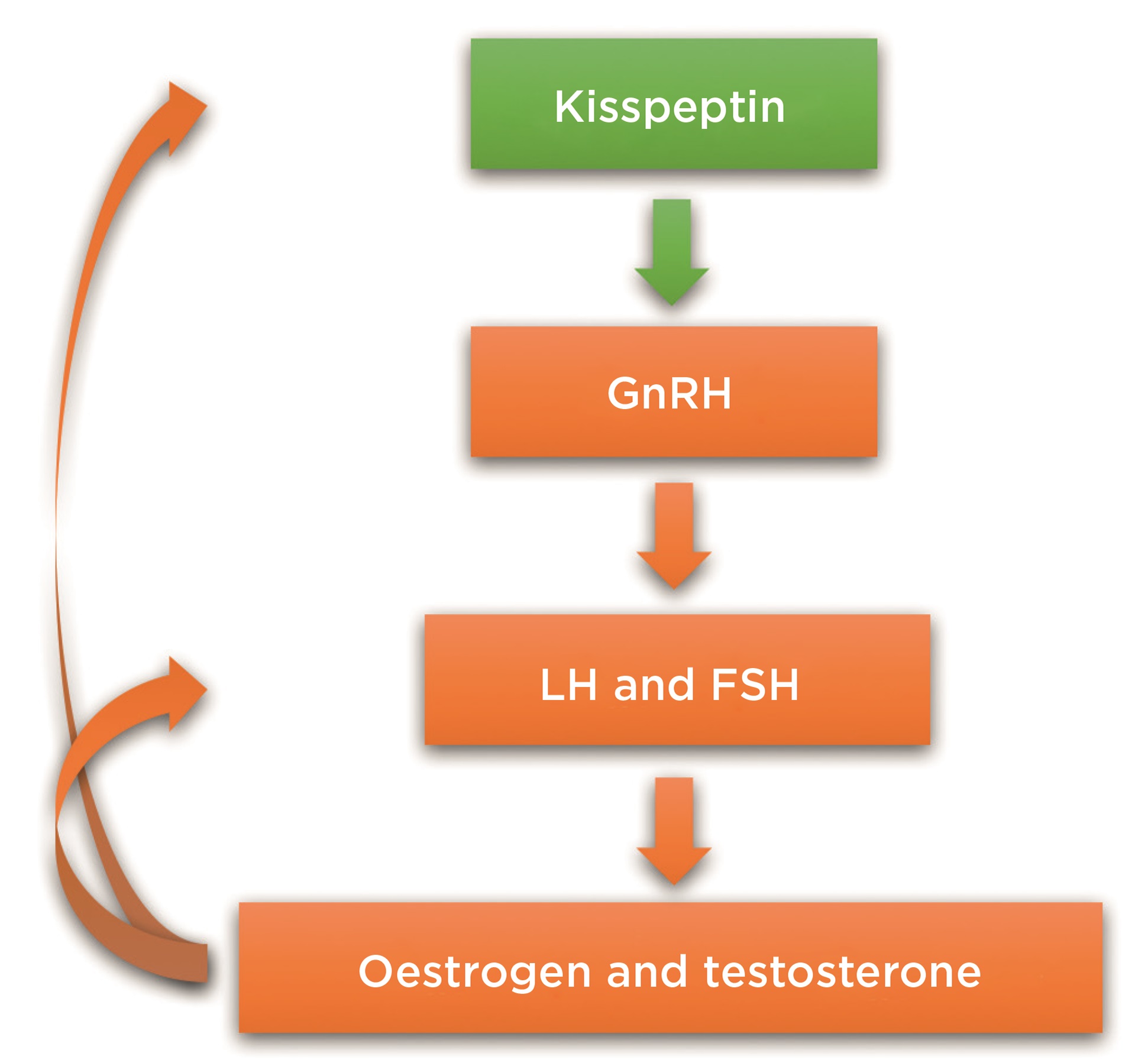
Kisspeptin is synthesized in the hypothalamic neurons and has been recognized as fundamental to the activation of the hypothalamic-pituitary-gonadal (HPG) axis. By stimulating GnRH, kisspeptin sets off a cascade of hormonal signals that culminate in the production of sex hormones such as estrogen and testosterone. This sequence is vital for the onset of puberty, menstrual cycles, and overall fertility health.
Kisspeptin and Puberty
The initiation of puberty is one of the most critical phases controlled by kisspeptin. It acts as a trigger, signaling the body’s readiness to commence reproductive capability. Research shows that a lack of or mutation in kisspeptin or its receptor (GPR54) can result in delayed or absent puberty. This has opened new pathways for understanding and potentially treating developmental disorders associated with puberty.
FREE SHIPPING
HOT PROMOTIONS!
BIG SALE | FAST SHIPPING

CROWX 👑 CIAROW 25 MG / 50 Tabs (Sildenafil)

Original price was: $ 109.00.$ 99.00Current price is: $ 99.00.
Hgh 100IU - Human Growth Hormone - Fierce Pharmaceuticals

Original price was: $ 299.00.$ 239.00Current price is: $ 239.00.




CROWX 👑 SUSTAROW 300 MG/ 10 ML Vial SUSTANON

Original price was: $ 109.00.$ 99.00Current price is: $ 99.00.
Kisspeptin’s Impact on Fertility
Beyond puberty, kisspeptin’s influence extends to maintaining fertility. It ensures the proper release of GnRH, thereby promoting the function of the reproductive organs. Disruptions in this signaling can lead to conditions such as infertility or polycystic ovary syndrome (PCOS).
Studies indicate that kisspeptin-based therapies might offer a novel approach for managing these conditions. Moreover, its ability to modulate sex hormone levels makes it an intriguing subject for further investigation in reproductive medicine.
Potential Therapeutic Uses
The therapeutic potential of kisspeptin is being explored in various clinical settings. Its role in regulating reproductive hormones makes it a promising candidate for therapies targeting infertility. Additionally, considering its interaction with GnRH, it might have implications for treating hormone-sensitive cancers.
For detailed insights into reproductive enhancements, resources like Steroid Planner and Steroid.com provide extensive information.
Conclusion
Kisspeptin plays an indispensable role in human reproductive health, significantly influencing the onset of puberty and managing fertility. As research progresses, its potential therapeutic applications could revolutionize treatments for reproductive disorders and beyond.
Further reading on its influence on bodybuilding and hormonal modulation can be accessed at John Doe Bodybuilding and insights on hormonal compounds at 24-7 iS.
FAQs
What is kisspeptin?
Kisspeptin is a peptide that regulates the release of gonadotropin-releasing hormone (GnRH), playing a crucial role in initiating puberty and maintaining fertility.
How does kisspeptin affect puberty?
Kisspeptin signals the body to start producing sex hormones, which leads to the onset of puberty.
Can kisspeptin be used therapeutically?
Yes, research is exploring its potential in treating infertility and hormone-related conditions.
Where can I find more information about hormonal modulation?
For more on hormones and bodybuilding, visit John Doe Bodybuilding.
Are there external resources about kisspeptin and related compounds?
Yes, additional resources include Steroid Planner and Steroid.com.
Kisspeptin is a crucial peptide hormone that plays a significant role in the regulation of the reproductive system. It is primarily produced in the hypothalamus and acts as a key regulator by stimulating the release of gonadotropin-releasing hormone (GnRH), which in turn triggers the secretion of luteinizing hormone (LH) and follicle-stimulating hormone (FSH) from the pituitary gland. These hormones are essential for the initiation and maintenance of puberty and for normal reproductive function. Beyond its reproductive roles, kisspeptin is also involved in modulating other physiological processes, including metabolism and emotion, highlighting its complex influence on human health. Additionally, research into kisspeptin continues to offer potential insights into treatments for reproductive disorders and fertility issues.