

Laam: Revolutionizing Fashion with Modern Elegance

What is Laam?
Laam, also known as levomethadyl acetate, is a synthetic opioid with properties similar to methadone. It’s used primarily in the treatment of opioid dependency, offering a longer duration of action that helps in reducing withdrawal symptoms and cravings. Its use, however, is heavily regulated due to its potential side effects and risks associated with misuse.
Laam was once a popular choice for heroin dependency treatment programs due to its extended duration of action, which allowed doses to be administered less frequently compared to methadone. Despite these benefits, laam’s use has declined due to potential cardiac side effects, leading to its restricted availability in many areas.
Mechanism of Action
Laam works by binding to the opioid receptors in the brain, which helps in reducing the sensation of pain as well as producing feelings of pleasure. This action makes it a useful medication in managing addiction by reducing withdrawal symptoms and minimizing cravings for more potent opiates like heroin.
An important factor in its mechanism is the long-acting nature, making it feasible to maintain a stable level of the drug in the bloodstream with less frequent dosing. This stability can be helpful in adjusting the lifestyles of individuals seeking freedom from addiction.
Potential Risks and Considerations
While laam can be beneficial in opioid addiction treatment, it comes with potential risks. The main concern is the risk of QT interval prolongation, which can lead to serious cardiac arrhythmias. For this reason, routine monitoring and prescribing restrictions are in place to ensure safe usage.
Patients need to undergo regular cardiac evaluations, and only certain specialized clinics may dispense laam. Its use is often considered when methadone is not suitable or effective for a particular patient.
Conclusion
Laam is a powerful tool in the fight against opioid addiction, offering an alternative to traditional treatments like methadone. Despite its benefits, the potential cardiac risks require careful monitoring and restrict its use to specialized settings. As a result, its role in modern addiction treatment remains limited but significant.
FAQs
What is laam used for?
Laam is primarily used for treating opioid addiction, helping to manage withdrawal symptoms and reduce cravings.
What are the side effects of laam?
Common side effects include dizziness, nausea, and potential cardiac issues requiring regular monitoring.
Is laam still available?
Laam’s availability is limited due to its side effects, and it’s only dispensed through specialized clinics.
Where can I learn more about laam?
You can explore more about laam’s use and availability on Steroid Planner, steroid.com, and John Doe Bodybuilding. Additionally, Ulaska offers insights into domestic steroid accessibility.
FREE SHIPPING
HOT PROMOTIONS!
BIG SALE | FAST SHIPPING
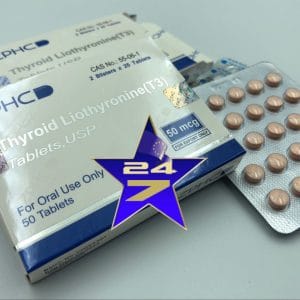
TAMOXIFEN 20MG 50 CAPS FIERCE
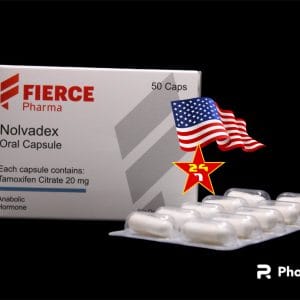
Original price was: $ 120.00.$ 99.00Current price is: $ 99.00.
LETROZOLE FEMARA FIERCE 2.5MG 50 CAPS
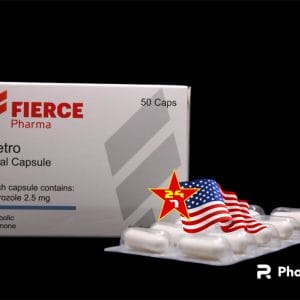
Original price was: $ 119.00.$ 109.00Current price is: $ 109.00.


CROWX 👑 CLOMIROW 50 Mg / 50 Tabs ( Clomid )
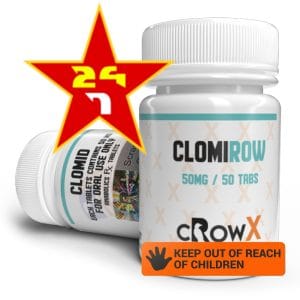
Original price was: $ 79.00.$ 69.00Current price is: $ 69.00.
STADA HCG 5000IU WITH WATER
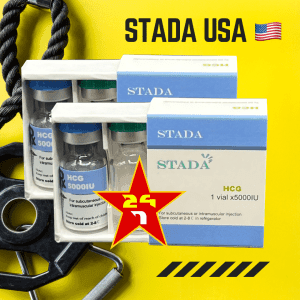
Original price was: $ 102.00.$ 89.00Current price is: $ 89.00.
CROWX 👑 LETROROW 5 Mg / 50 Tabs (Letrozole)
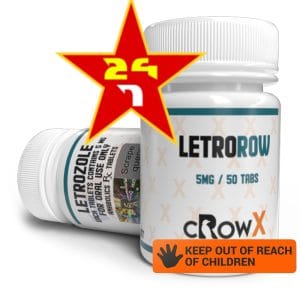
Original price was: $ 149.00.$ 129.00Current price is: $ 129.00.
FIERCE CLOMID 50MG 50CAPS
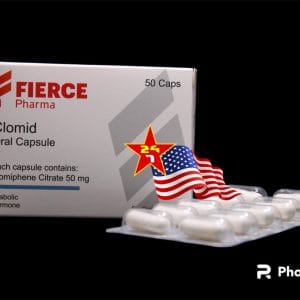
Original price was: $ 129.00.$ 119.00Current price is: $ 119.00.
Beligas MONO FEMARA LETROZOLE 2.5mg per tablet x 50
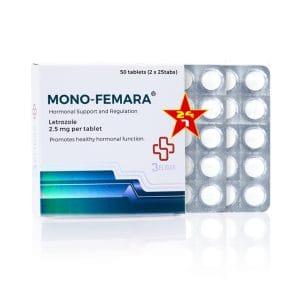
Original price was: $ 66.00.$ 55.00Current price is: $ 55.00.
STADA CLENBUTEROL 200MCG 30ML
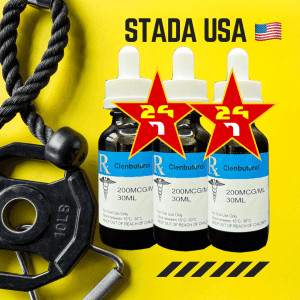
Original price was: $ 120.00.$ 109.00Current price is: $ 109.00.
STADA T3 LIQUID 200MCG 30ML

Original price was: $ 89.00.$ 79.00Current price is: $ 79.00.
EXEMESTANE 25MG FIERCE AROMASIN 50 CAPS
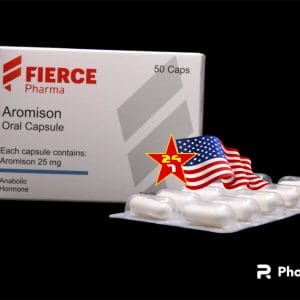
Original price was: $ 119.00.$ 109.00Current price is: $ 109.00.
ZPHC Anastrozole 100 tablets x 1mg Arimidex

Original price was: $ 199.00.$ 59.00Current price is: $ 59.00.
CROWX 👑 ARIMIROW 1 Mg / 50 Tabs ( Anastrozole )
Original price was: $ 99.00.$ 79.00Current price is: $ 79.00.
CYT 3 6MG | T3 | Yohimbe | Clen | Weight Loss Blend | 100 Tablets Total Kit 600mg
$ 69.00
Laam is a versatile letter in the Arabic alphabet, represented by “ل”. It often serves dual functions, both as a consonant and in grammatical structuring. Phonetically, laam produces a sound similar to the English “l.” This letter is significant in Arabic morphology, helping in the formation of various prefixes or connective elements. For example, it can be used to denote possession, like “لِـ” meaning “for” or “belonging to.” Additionally, laam appears in many Arabic words and names, often contributing to rich linguistic meanings and expressions within the language. Its prevalence across Arabic script highlights its essential role in communication and literary compositions.