Leg curl seated
TABLE OF CONTENTS

When it comes to building strong hamstrings, the Leg Curl Seated exercise is a staple in many workout routines. This isolation exercise specifically targets the muscles in the back of your thigh, offering an effective way to enhance the strength and flexibility of your lower body. Let’s delve into the mechanics, benefits, and common questions regarding the Leg Curl Seated workout.
What is the Leg Curl Seated Exercise?
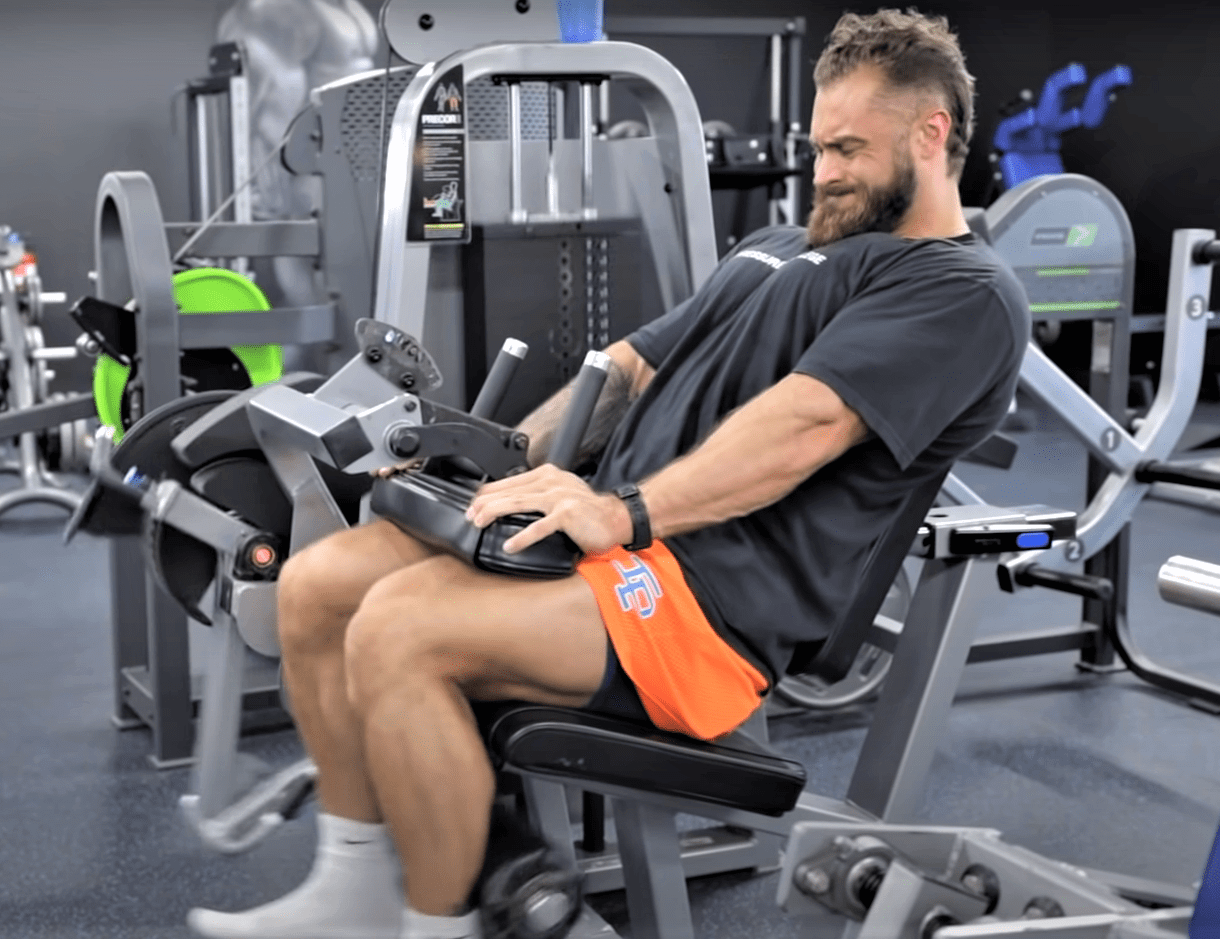
The Leg Curl Seated is a popular exercise performed on a leg curl machine commonly found in gyms. This machine is designed to target the hamstring muscles by having you sit with your legs extended in front, knees resting against a padded bar. As you bend your knees, the machine provides resistance that works the hamstrings.
Benefits of the Leg Curl Seated Exercise
Incorporating the Leg Curl Seated into your fitness routine has multiple benefits:
- Hamstring Strength: By focusing on the hamstrings, this exercise promotes muscle development and increases overall lower body strength.
- Flexibility and Mobility: Regularly performing the Leg Curl Seated can improve your hamstring flexibility, which is crucial for a wide range of movements and athletic activities.
- Injury Prevention: Strong hamstrings can support the knees and reduce the risk of injuries, providing stability during various physical activities.
Performing the Leg Curl Seated Safely
To perform the Leg Curl Seated exercise correctly, ensure that the machine pad is positioned just above the backs of your ankles. Gradually curl your legs towards your buttocks, maintaining a controlled movement to avoid sudden jerks. Always focus on maintaining good form to maximize the benefits and minimize the risk of injury.
FAQs
How often should I perform the Leg Curl Seated exercise?
Incorporate it 2-3 times per week into your lower body workout routine, allowing adequate rest for muscle recovery.
Can beginners perform the Leg Curl Seated exercise?
Yes, beginners can start with a light weight to develop proper form and gradually increase resistance as they build strength.
Are there alternatives to the Leg Curl Seated exercise?
Yes, alternatives like lying leg curls or Nordic hamstring curls can also target the hamstrings effectively.
By understanding the mechanics and benefits of the Leg Curl Seated, you can enhance your workout routine and work towards achieving a balanced physique. Remember to prioritize form and gradual progression to get the most out of this exercise.
FREE SHIPPING
CLICK HERE!
HOT PROMOTIONS!






STADA HGH SOMATROPIN 100IU (10 vials)
Original price was: $ 299.00.$ 229.00Current price is: $ 229.00.

[ratemypost]
The seated leg curl is an effective exercise that primarily targets the hamstring muscles, which are located at the back of the thigh. This exercise is performed on a seated leg curl machine, where the individual sits down with their back against a pad and their legs extended out in front. A padded lever is placed behind the calves, and as the exerciser bends their knees, they bring the padded lever down towards the back of their legs. This motion engages the hamstrings along with the calves and can also indirectly involve the glutes. One of the significant advantages of the seated leg curl is that it allows for a stable and controlled movement, reducing the risk of injury while focusing resistance directly on the hamstrings.
Incorporating seated leg curls into a workout routine can contribute to increased muscle strength and flexibility in the hamstrings, which is beneficial for overall lower body performance. Strong hamstrings play a crucial role in various physical activities and sports, helping with movements like running, jumping, and squatting, while also supporting knee joint stability. Additionally, having balanced hamstring development can help in reducing muscle imbalances, which are often a precursor to injury. By adjusting the weight and repetitions, the seated leg curl can be tailored to suit different fitness levels, making it a versatile addition to both beginner and advanced workout programs. Overall, it is an excellent isolation exercise for those looking to enhance their lower body strength and muscle definition.