

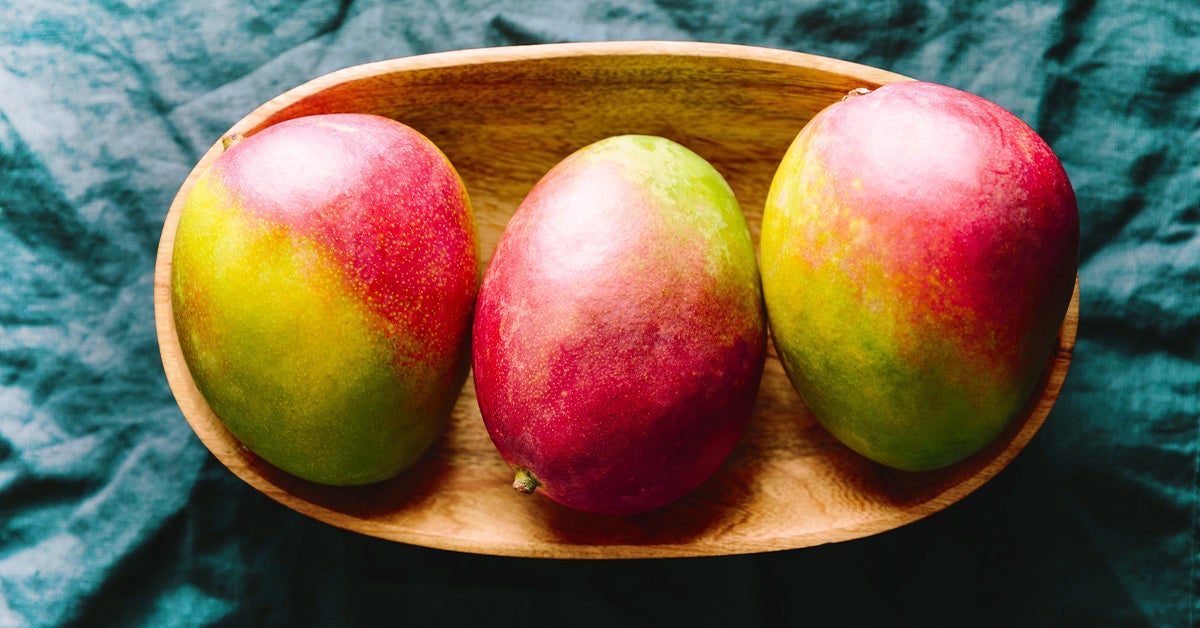
Mango Mania: Exploring the World’s Most Beloved Tropical Fruit

The mango is a quintessential symbol of tropical abundance, offering more than just a delicious taste. For those who have had the pleasure of indulging in its juicy sweetness, it’s easy to see why this fruit holds a special place in tropical regions and beyond. Originating from South Asia, the mango has traveled far and wide, adapting to diverse climates and delighting taste buds around the globe.
The Origins and Journey of the Mango
The story of the mango is as rich and complex as the flavors it provides. Believed to have been first cultivated in the Indian subcontinent over 4,000 years ago, the mango is not just a fruit but a cultural staple. Through ancient trade routes, it spread to Southeast Asia, East Africa, and eventually, the New World, particularly Brazil and the Caribbean. Each region it touches adds its unique imprint on the varieties and flavors that develop.
Nutritional Benefits of the Mango
More than just a treat for the senses, the mango, a tropical delight, is packed with nutrients. It boasts a high concentration of vitamins A and C, essential for maintaining a healthy immune system, as well as folate, vitamin E, and vitamin K. The mango is also a great source of fiber, helping digestive health. Its antioxidant qualities combat oxidative stress, making it an all-around powerhouse for wellness.
Mango in Culinary Traditions
In many cultures, the mango plays a vital role in culinary traditions. In India, the mango is featured in everything from chutneys and lassis to curries. In Thailand, green mango is often enjoyed in salads or with sticky rice, creating a sweet and savory balance. The versatility of mango allows it to blend seamlessly into various dishes, both savory and sweet, making it a favorite among chefs and home cooks alike.
The Impact of Mango Tropical Agriculture
The agriculture of mangoes in tropical regions is not only a boon for flavor seekers but also for local economies. Mango farming supports millions of livelihoods globally, particularly in developing nations. Ensuring sustainable practices is key to maintaining the environmental integrity of these regions. Many initiatives now focus on reducing pesticide use and promoting organic farming to protect both the planet and the communities that depend on this golden fruit.
Conclusion
In summation, the mango is more than just a tropical fruit; it’s an emblem of cultural significance, nutritional benefits, and economic importance. Its journey from ancient forests to modern kitchens speaks to its universal appeal and adaptability. Whether consumed fresh or incorporated into dishes, the mango never fails to bring a taste of the tropics to the table.
FAQs
What are the benefits of eating mango?
Mangoes are rich in vitamins A and C, fiber, and antioxidants, which contribute to a healthy immune system, improved digestion, and reduced oxidative stress.
How can I incorporate mango into my diet?
Mangoes can be enjoyed fresh, blended into smoothies, or used in salads, chutneys, and desserts for a burst of tropical flavor.
Is mango farming sustainable?
Efforts are being made to ensure mango farming is sustainable, with a focus on organic practices and reducing pesticide usage to protect the environment and support local communities.
For more information on sustainable agriculture, you can visit FAO’s Sustainable Agriculture or learn more about tropical fruits at Tropical Fruit World.
BIG SALE | FAST SHIPPING
HOT PROMOTIONS!




CLOMID 50MG FIERCE 50 TABLETS

Original price was: $ 129.00.$ 119.00Current price is: $ 119.00.





Mangoes, often heralded as the “king of fruits,” thrive abundantly in tropical regions where their vibrant hues and succulent flavor captivate the senses. These luscious fruits are typically cultivated in countries such as India, Thailand, and Mexico, where the warm climate and rich soil provide optimal conditions for their growth. Each bite of a tropical mango delivers a fusion of sweetness and tang, with a juiciness that speaks to sun-drenched orchards and a burgeoning tradition of fruit cultivation that dates back thousands of years. Beyond their delectable taste, mangoes are packed with nutrients, offering a rich source of vitamins A and C and beneficial antioxidants. Whether sliced fresh, blended into smoothies, or incorporated into savory dishes, this versatile fruit captures the essence of the tropics, transporting one to sunlit groves with its aromatic and exotic allure.