Mastering the Deadlift: The Ultimate Lead to Perfect Form
TABLE OF CONTENTS

Introduction to the Deadlift
The deadlift is one of the most effective compound exercises, involving numerous muscle groups simultaneously. It’s a staple in strength training programs around the world, helping athletes and fitness enthusiasts develop substantial power and resilience.
Components of Proper Deadlift Form
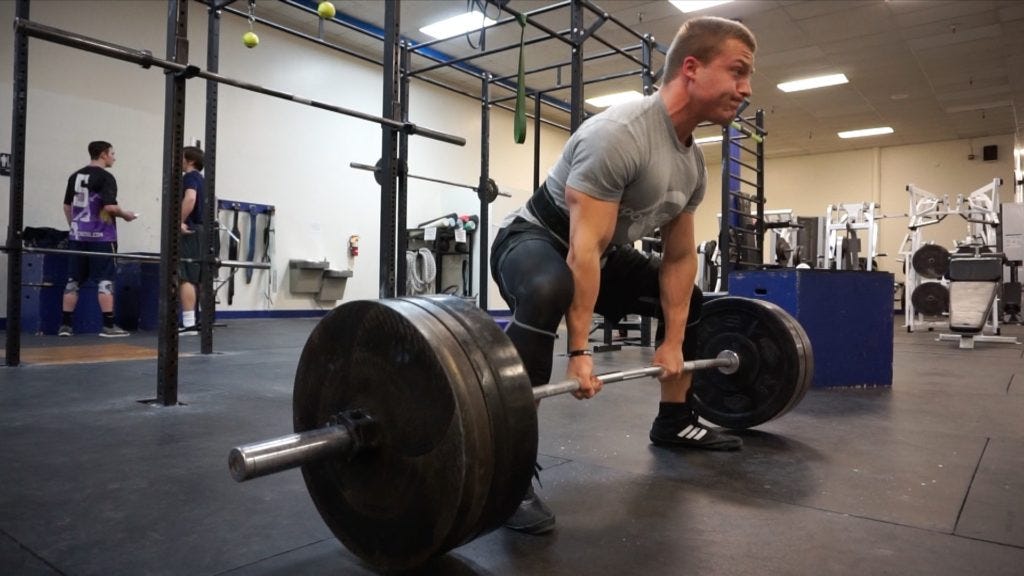
To maximize gains and minimize injuries, maintaining the correct form is crucial during deadlifts. Begin with your feet shoulder-width apart, engaging your core and keeping your chest up. Hinge at the hips, ensuring your back remains neutral, and grip the barbell just outside of your knees.
Grip and Arm Position
The grip is fundamental to a strong deadlift. Whether you choose a double overhand grip or a mixed grip, ensure that your hands are steady and your arms remain relaxed as you lift the bar. Your arms should act as hooks without bending at the elbows during the lift.
Foot Placement and Balance
Your foot placement influences your stability. With feet hip-width apart, evenly distribute your weight through the heels and mid-foot. This positioning allows you to exert maximum upward force by pushing the floor away with your feet.
The Lift: Executing a Safe and Effective Deadlift
Maintain tension in your back and legs as you initiate the lift by straightening your knees and hips simultaneously. Keep the barbell close to your body, almost grazing your shins and thighs, to prevent undue stress on your back. At the top of the movement, stand tall with your chest open and shoulders back before gently reversing the motion to return the bar to the floor.
Common Mistakes to Avoid
Common pitfalls in deadlifting include rounding the back, using too much weight, and improper foot positioning. Such mistakes can lead to back injuries and impede progress. Prioritize form over heavy weights to ensure longevity in your lifting journey.
BIG SALE | FAST SHIPPING
HOT PROMOTIONS!





ZPHC Clomid Clomiphene 25mg/tablet | 100 Tablets Total: 2500mg

Original price was: $ 159.00.$ 65.00Current price is: $ 65.00.



Conclusion
The deadlift is an unparalleled exercise for building strength and endurance. By understanding and implementing a proper form, anyone can capitalize on its benefits while avoiding injuries. Stay focused, start with lighter weights, and gradually increase as your technique and confidence improve.
FAQs
What are the benefits of deadlifting?
Deadlifting enhances overall strength, particularly in the legs, back, and core. It is also beneficial for improving posture and increasing metabolic rate.
How often should I integrate deadlifts into my workout regime?
Incorporating deadlifts 1-2 times per week is adequate for most trainees. Ensure adequate rest between sessions to allow muscles to recover.
Can beginners perform deadlifts safely?
Yes, beginners can perform deadlifts safely by starting with lighter weights and focusing on mastering proper technique before progressing.
Deadlift form is crucial for maximizing performance and minimizing the risk of injury during this fundamental strength-training exercise. To execute a proper deadlift, begin with your feet shoulder-width apart and your toes pointing forward or slightly outward. Position the barbell over the mid-foot, ensuring your shins are close but not touching the bar. Hinge at your hips and bend your knees to lower your torso, maintaining a neutral spine with your chest up and gaze forward. Grasp the bar with a grip slightly wider than shoulder-width, using either an overhand or a mixed grip. Engage your core and take a deep breath in as you prepare to lift. Drive through your heels, extending your knees and hips simultaneously, while keeping the barbell close to your body. Maintain a neutral spine throughout the lift, and avoid rounding your back. Once standing upright with fully extended hips, reverse the movement by hinging at the hips and bending your knees to return the barbell to the ground, ensuring the spine remains neutral throughout the descent. Practicing proper form is essential for harnessing the full benefits of the deadlift, such as increased strength and power, while safeguarding your back and other joints from potential harm.