Mastering the Decline Dumbbell Bench Press
TABLE OF CONTENTS

The decline dumbbell bench press is an effective exercise for developing chest muscles, enhancing upper body strength, and creating a more defined physique. By targeting the lower part of the pectoral muscles, this variation provides unique benefits that traditional flat or incline bench presses may overlook. In this article, we’ll explore the form, benefits, and variations you can incorporate into your fitness routine.
Mastering the Decline Dumbbell Bench Press
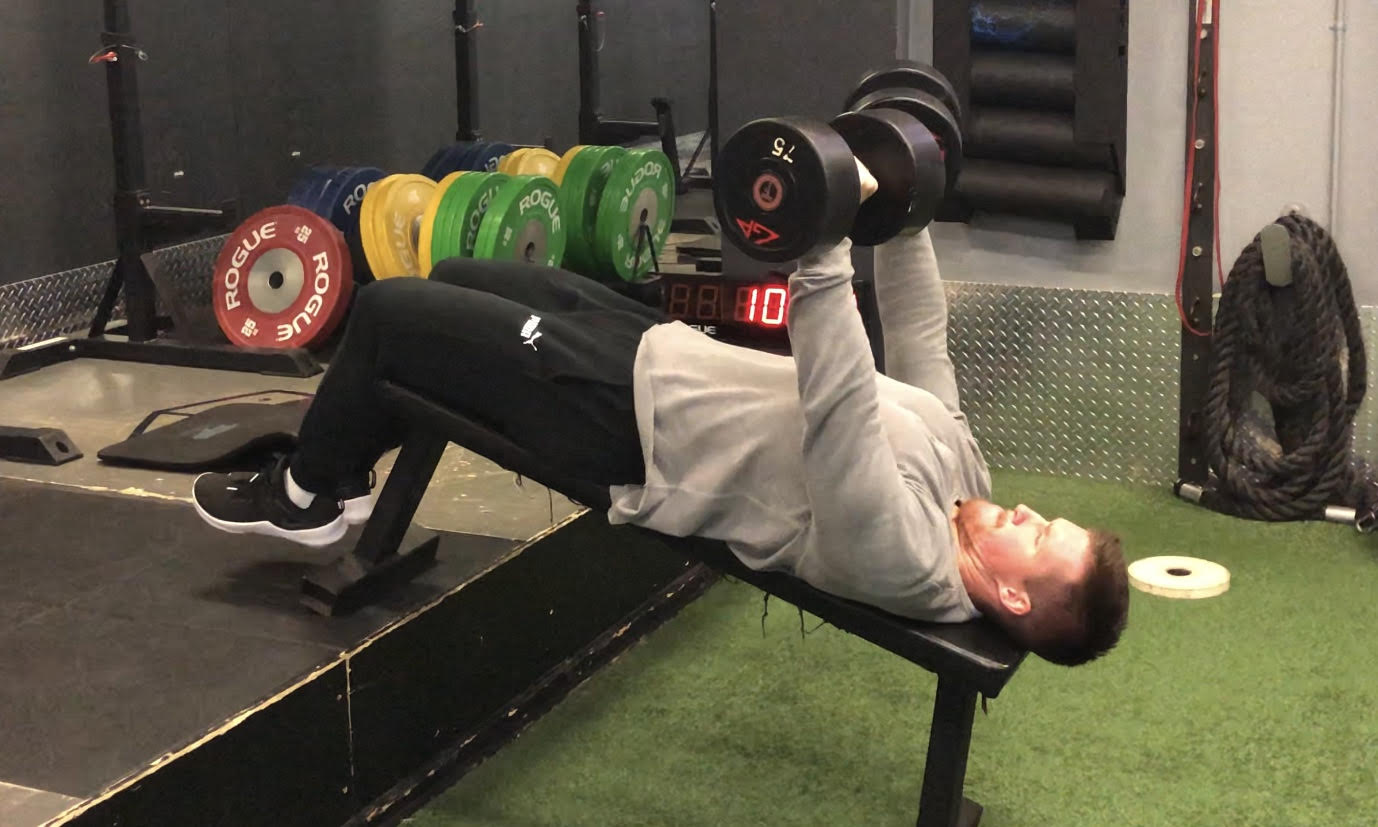
The decline dumbbell bench press involves lying on a decline bench, which is typically set at a 15 to 30-degree angle. You start by holding a dumbbell in each hand, just above your chest, with palms facing forward. As you press the weights upward, your elbows should remain close to your body, engaging the lower chest muscles. Slowly return to the starting position, maintaining control of the dumbbells to prevent injury.
Proper form is crucial for maximizing the benefits of the decline dumbbell bench press. Keeping your back flat against the bench and maintaining a slight arch will help in isolating the target muscles. Learn more about proper form.
Benefits of the Decline Dumbbell Bench Press
Enhanced Chest Development
Unlike the flat bench press, the decline dumbbell bench press focuses on the lower pectoral region, creating a fuller and more balanced chest appearance. This exercise helps sculpt the lower chest, offering a more comprehensive chest workout.
Improved Upper Body Strength
By engaging secondary muscles such as the triceps and shoulders, the decline dumbbell bench press aids in overall upper body strength. Consistently incorporating this exercise can enhance your performance in other compound lifts and everyday activities. Explore more strength-building exercises.
Greater Range of Motion
Using dumbbells rather than a barbell allows for a greater range of motion, which can lead to more muscle recruitment during the decline dumbbell bench press. This can help in achieving better results in muscle growth and strength gains.
Variations and Tips
To keep your workouts fresh, explore variations such as single-arm decline dumbbell presses or incorporating a pause at the bottom of the press. Additionally, experimenting with different angles on the decline bench can help target the muscles from various points.
Conclusion
The decline dumbbell bench press is a valuable addition to any chest workout routine. Its focus on the lower pectoral muscles, in combination with the benefits of improved strength and muscle definition, makes it a worthwhile exercise for both beginners and experienced fitness enthusiasts. By maintaining proper form and gradually increasing resistance, you can maximize the advantages offered by this unique bench press variation.
FAQs
What muscles does the decline dumbbell bench press target?
The primary target of the decline dumbbell bench press is the lower pectoral muscles. It also engages the triceps and shoulders as secondary muscles.
Is the decline dumbbell bench press suitable for beginners?
Yes, beginners can benefit from the decline dumbbell bench press as long as they focus on proper form and start with lighter weights to build strength and confidence.
How often should I include the decline dumbbell bench press in my workout?
Incorporating the decline dumbbell bench press once or twice a week, with adequate rest in between sessions, can be effective for muscle growth and strength improvement.
BIG SALE | FAST SHIPPING
HOT PROMOTIONS!


Beligas 10ml Vial Testosterone NPP Blend 150mg

Original price was: $ 119.00.$ 99.00Current price is: $ 99.00.


FIERCE CLOMID 50MG 50CAPS

Original price was: $ 129.00.$ 119.00Current price is: $ 119.00.




The decline dumbbell bench press is an effective strength-training exercise targeting the lower portion of the pectoral muscles. By lying on a decline bench, typically set at a 15 to 30-degree angle, individuals can engage the lower chest more intensely than with flat or incline variations. Holding a pair of dumbbells allows for a greater range of motion and unilateral movement, fostering muscular balance and reducing the risk of imbalances. This exercise also activates the triceps and anterior deltoids, promoting comprehensive upper body strength. Proper form involves lowering the dumbbells slowly to the chest level, maintaining controlled breathing, and pressing back up without locking the elbows fully. The decline angle can alleviate shoulder strain, making it a preferred choice for those with shoulder joint concerns. Overall, the decline dumbbell bench press is a valuable addition to a well-rounded chest workout regimen.