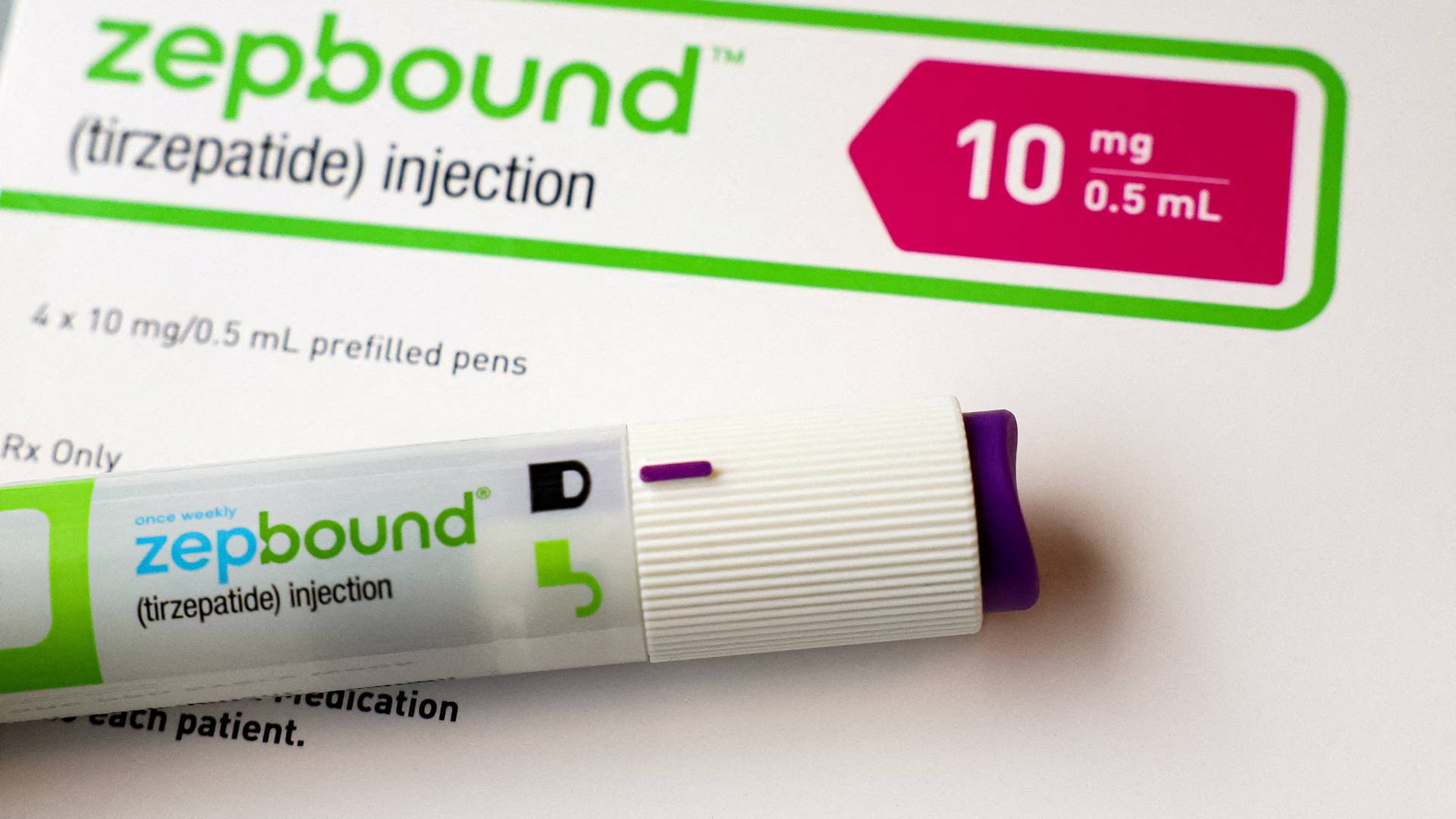
Mazdutide vs. Tirzepatide: Analysis of Next-Gen Diabetes Treatments
TABLE OF CONTENTS

In recent years, the demand for effective treatments for type 2 diabetes and obesity has led to significant advancements in the field of pharmaceuticals. Two noteworthy contenders in this space are mazdutide and tirzepatide. Both compounds are drawing attention due to their promising results in clinical trials. This article provides a comprehensive comparison of mazdutide vs tirzepatide, examining their mechanisms, efficacy, side effects, and broader implications.
Mechanisms of Action
Mazdutide is a dual-incretin receptor agonist, targeting both the GLP-1 and GIP receptors, which play crucial roles in glucose regulation and appetite control. By mimicking these hormones, mazdutide enhances insulin secretion, reduces glucagon release, and slows gastric emptying.
Tirzepatide, on the other hand, is a novel compound with a similar dual mechanism, acting on GLP-1 and GIP receptors. This dual action is believed to contribute to its strong glycemic control and weight reduction effects. The unique aspect of tirzepatide is its ability to enhance insulin sensitivity, which could offer additional benefits for managing type 2 diabetes.
Efficacy in Clinical Trials
Clinical trials have shown remarkable outcomes for both mazdutide and tirzepatide. In studies, patients receiving mazdutide demonstrated significant reductions in HbA1c levels and considerable weight loss. Notably, the weight-loss effects are a key point of differentiation when considering mazdutide vs tirzepatide.
Similarly, tirzepatide has been associated with substantial improvements in glycemic control and a significant reduction in body weight. The SURPASS clinical trial series revealed that tirzepatide was particularly effective in reducing HbA1c levels compared to existing treatments.
Side Effects and Safety Profiles
The safety profiles of mazdutide and tirzepatide have been carefully monitored in trials. Common side effects for both include gastrointestinal symptoms such as nausea, diarrhea, and vomiting. These effects are typically mild to moderate and tend to decrease over time.
However, it’s essential to weigh mazdutide vs tirzepatide on their long-term safety profiles. Both medications require ongoing evaluation, as the full spectrum of potential long-term effects remains under study.
Conclusion
When assessing mazdutide vs tirzepatide, both show promise in the landscape of diabetes and obesity treatment, with impressive efficacy in glycemic control and weight reduction. While both drugs offer similar mechanisms and benefits, individual patient needs and responses should guide the choice.
As research progresses, further studies will illuminate the long-term implications and potential patient-specific benefits of each treatment. For now, healthcare professionals can consider both options as viable solutions for improving quality of life for patients with type 2 diabetes and obesity.
BIG SALE | FAST SHIPPING
HOT PROMOTIONS!


CLOMIPHENE TABLETS 50mg 50 TABLETS FIERCE

Original price was: $ 99.00.$ 89.00Current price is: $ 89.00.


Fierce nandrolone decanoate 300 / ml 10ml

Original price was: $ 131.00.$ 119.00Current price is: $ 119.00.


CYT 3 6MG | T3 | Yohimbe | Clen | Weight Loss Blend | 100 Tablets Total Kit 600mg

$ 69.00
FAQs
What are the main differences between mazdutide and tirzepatide?
Both mazdutide and tirzepatide are dual-incretin receptor agonists. However, tirzepatide may have an edge in enhancing insulin sensitivity, which can be a crucial factor for some patients.
Are there any significant side effects?
Common side effects for both medications include gastrointestinal symptoms like nausea and vomiting. These are generally mild and decrease with time.
Which medication is more effective for weight loss?
Both mazdutide and tirzepatide have shown efficacy in weight reduction, but individual responses can vary. Clinical trials suggest that both medications can lead to significant weight loss.
Where can I find more information?
For further details, consider reputable sources such as the American Diabetes Association and National Institute of Diabetes and Digestive and Kidney Diseases.
Understanding these innovative treatments can empower patients and healthcare providers to make informed decisions tailored to individual health needs.
Mazdutide and tirzepatide are emerging contenders in the field of diabetes and obesity treatment. Mazdutide, a relatively new GLP-1 receptor agonist, is designed to mimic the effects of the natural hormone GLP-1, potentially offering benefits in blood sugar regulation and weight management. Tirzepatide, on the other hand, is a dual GIP and GLP-1 receptor agonist, which means it targets two pathways to enhance insulin secretion and curb appetite. While both medications aim to improve glycemic control, tirzepatide has shown notable efficacy in clinical trials, leading to significant weight loss and improved HbA1c levels. As more head-to-head studies emerge, the differentiation in their mechanisms and outcomes will guide treatment decisions for patients seeking effective metabolic disease management.