
Meet the Fit Models Redefining Beauty Standards

In the ever-evolving fashion industry, the role of a fit model female is crucial. Unlike traditional models who grace the runways and advertisements, fit models work behind the scenes to ensure that clothing fits perfectly before it hits the market. Their job is not about looking perfect under the spotlight, but ensuring that garments look and feel right for the average consumer. This behind-the-scenes role is indispensable for fashion designers and clothing manufacturers who value their consumer’s satisfaction and retention.
What is a Fit Model Female?
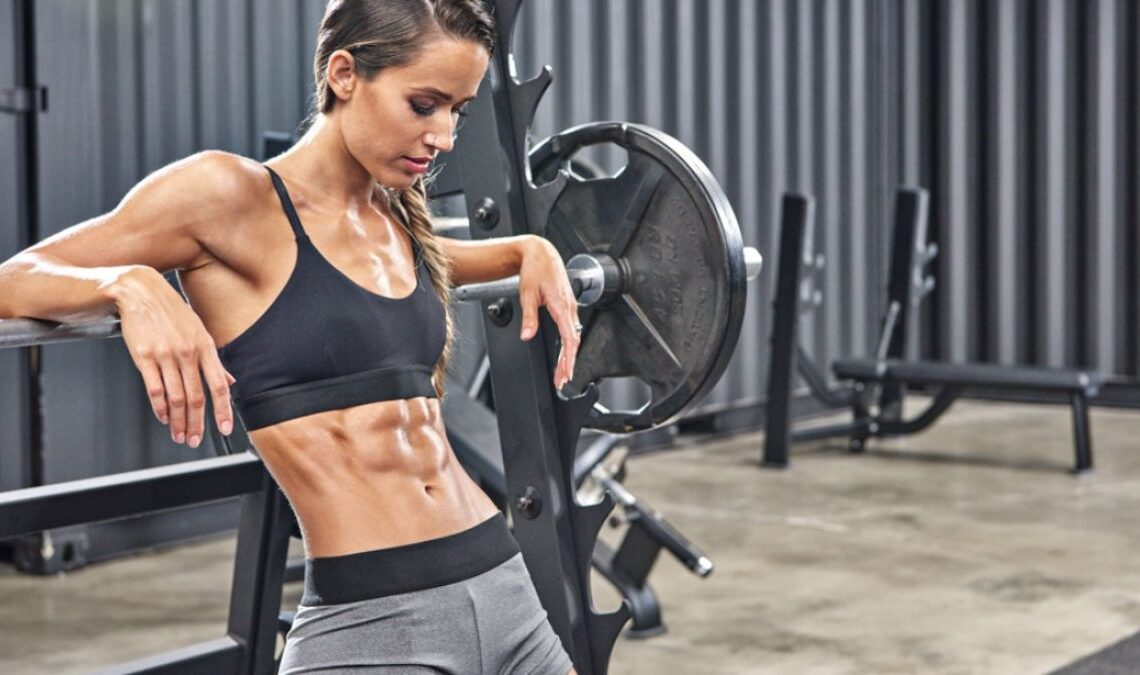
A fit model female serves as a live mannequin for the designers. She provides immediate feedback during the garment fitting process to refine the design. Her body measurements closely match the designated sizing standard of a target demographic, which is critical in achieving the ideal fit for mass production. This pivotal role helps bridge the gap between designers and end-users, ensuring that the finished products are suitable for a wide range of body types.
The Importance of Diversity Among Fit Models
The fashion industry is increasingly recognizing the importance of diversity. Having a diverse range of fit model females is essential in catering to a broader market. It is a step toward inclusivity that acknowledges different body shapes, sizes, and ethnic backgrounds. The push for diversity means clothing will better serve a more extensive customer base, driving consumer satisfaction and loyalty in the process. Fashion trends incentive brands to not only innovate in style but to innovate in size representation as well, showcasing how vital a diverse fit model line-up can be.
The Unique Challenges of Being a Fit Model Female
Working as a fit model female involves maintaining consistent body measurements—a demanding task for anyone. Additionally, the job requires patience and a keen attention to detail. These models must be expressive and communicative, providing constructive feedback to designers effectively. Despite the challenges, many find it rewarding to play an integral part in bringing a designer’s vision to life while directly impacting the consumer experience.
BIG SALE | FAST SHIPPING
HOT PROMOTIONS!


ZPHC UltraMix 1ml amps x 10 amps - 1ml = 250mg

Original price was: $ 259.00.$ 179.00Current price is: $ 179.00.


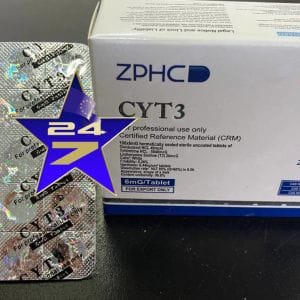
CYT 3 6MG | T3 | Yohimbe | Clen | Weight Loss Blend | 100 Tablets Total Kit 600mg
$ 69.00
Fierce nandrolone decanoate 300 / ml 10ml

Original price was: $ 131.00.$ 119.00Current price is: $ 119.00.


Conclusion
The role of a fit model female is vital in the fashion writing the true success stories of well-fitted garments. As the industry continues to grow and diversify, the need for diverse fit model females will only increase, signaling a promising move towards a more inclusive future where fashion serves all body types satisfactorily. It is clear that in fashion, collaboration is key, and a fit model female is the linchpin in this creative enterprise.
FAQs
What qualifications are needed to become a fit model female?
While there are no formal qualifications, a fit model female is expected to maintain consistent body measurements and possess excellent communication skills to provide precise feedback during fittings. Understanding of fashion and garment construction can also enhance their effectiveness in the role.
How does the fit model female impact consumer satisfaction?
By ensuring that clothing fits as intended across various sizes and shapes, fit model females indirectly enhance consumer satisfaction. Well-fitted clothing improves the overall consumer experience, leading to higher retention and brand loyalty. For more insights into consumer satisfaction, visit consumer behavior insights.
Fit model females are individuals employed primarily within the fashion industry to assist designers in creating and tailoring clothing pieces. These models possess standardized body measurements that align closely with a brand’s sizing specifications, which is crucial for ensuring the desired fit and drape of garments. Unlike runway or photographic models, fit models are not typically featured on the front lines of fashion shows or campaigns; instead, they work behind the scenes in fitting sessions, providing real-time feedback on comfort, mobility, and garment proportions. Their expertise and unique body requirements help bridge the gap between design concepts and consumer-ready clothing, ensuring the final product meets the brand’s quality and aesthetic standards while catering to the target demographic’s sizing needs. A successful fit model often maintains consistent measurements and a healthy lifestyle to meet the demanding and precise requirements of this niche role in the fashion industry.