Melanotan: What You Need to Know Before Trying It
TABLE OF CONTENTS

With increasing concerns about skin health and the pursuit of that sun-kissed glow, Melanotan has emerged as a noteworthy compound in the skincare and wellness industry. Originally developed with the aim of treating skin conditions and mitigating skin damage due to ultraviolet exposure, it is often pitched as an effective way to stimulate melanin production. However, navigating the world of Melanotan, like any peptide, requires understanding both its benefits and the potential risks involved.
What is Melanotan?
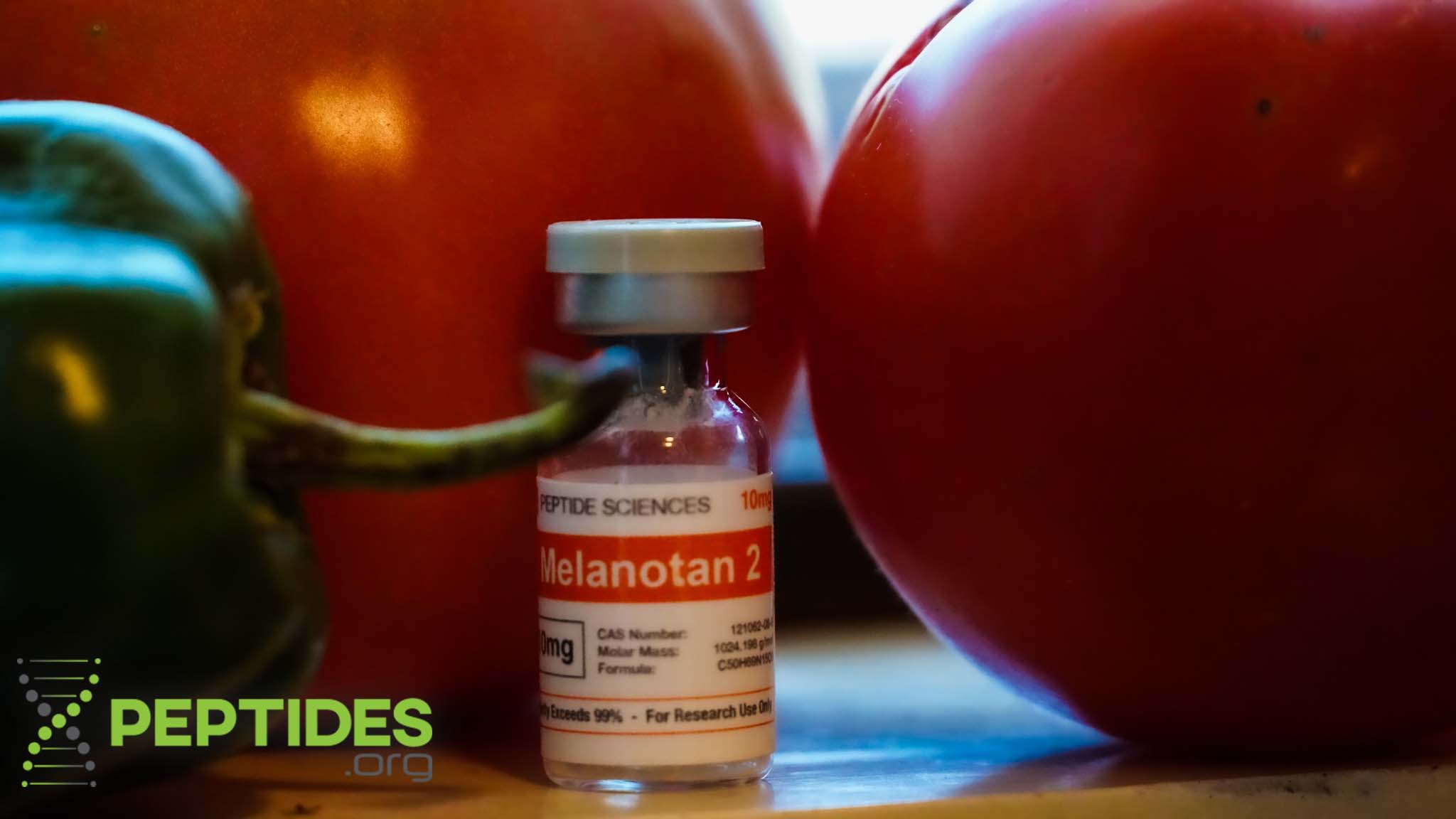
Melanotan is a synthetic peptide, created in two versions: Melanotan I and Melanotan II. They mimic the hormone alpha-melanocyte-stimulating hormone (α-MSH), which is naturally produced in the body. This hormone stimulates the production of melanin, which in turn leads to skin darkening or tanning. Developed initially for skin protection, Melanotan has found its place in cosmetic usage for achieving a tanned appearance without excessive sun exposure.
Benefits of Using Melanotan
One of the primary benefits of Melanotan is its ability to provide a deep, lasting tan without the need for prolonged exposure to harmful UV rays. This reduces the risk of skin damage, aging, and potential skin cancers caused by UV radiation. Additionally, Melanotan has been explored for uses in appetite suppression and weight loss, offering a multifaceted approach to wellness.
Considerations and Risks
While the allure of Melanotan’s benefits is strong, it is crucial to be aware of potential side effects. Users have reported nausea, facial flushing, and increased blood pressure. More seriously, concerns have been raised about the risk of developing melanoma, as increased melanin production could potentially reveal underlying skin cancers. Therefore, it is essential to consult healthcare professionals before opting for Melanotan treatments.
Conclusion
Melanotan presents an enticing option for those looking to achieve a tan without extensive sun exposure. Its additional benefits in skincare and weight management make it an attractive choice for individuals striving for wellness and beauty. However, as with any treatment or supplement, understanding the risks and consulting with a health professional is paramount. Informed usage can lead to safer and more effective outcomes.
FAQs about Melanotan
1. Is Melanotan safe to use?
Melanotan use can have some side effects, and its safety can vary among individuals. Consulting with a healthcare professional is advised before starting any treatment.
2. How is Melanotan administered?
Melanotan is typically administered through injections. It’s important to follow proper dosage and administration guidelines provided by a healthcare provider.
3. Can Melanotan help with weight loss?
Some studies suggest that Melanotan may have appetite-suppressing properties. However, it’s not primarily approved for weight loss.
FREE SHIPPING
BIG SALE | FAST SHIPPING
HOT PROMOTIONS!

STADA DHB DIHYDROBOLDENONE 100MG 10 ML
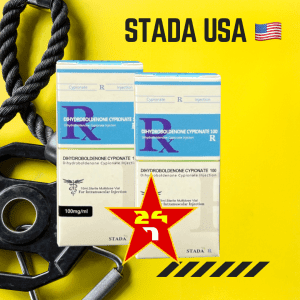
Original price was: $ 219.00.$ 109.00Current price is: $ 109.00.




Melanotan is a synthetic analog of the peptide hormone alpha-melanocyte-stimulating hormone (α-MSH), which is primarily known for its role in stimulating the production of melanin in the skin, leading to tanning. Originally developed as a potential defense against skin cancer by inducing a protective tan without the need for sun exposure, Melanotan is typically administered via injection. It is important to note that Melanotan is not approved by regulatory authorities like the FDA or EMA for medical use. Despite this, it has gained popularity for its cosmetic effects, particularly among those seeking a sunless tan. However, its safety profile is not well-established, and potential side effects may include nausea, flushing, appetite loss, and increased risk of melanoma and other skin cancers. As with any unregulated compound, using Melanotan entails significant health risks, and individuals should exercise caution and seek professional medical advice before considering its use.