
Menstrual Health: The Science Behind Uterine Lining Shedding

The uterus is an incredible organ with a remarkable function: supporting the potential for new life. Central to this function is the cyclical process of shedding the uterine lining, a biological marvel that occurs as part of the menstrual cycle. This article delves into the fascinating process of shedding the uterine lining, its necessity for reproductive health, and provides helpful insights for women seeking to understand this aspect of their biology more comprehensively.
The Importance of Shedding the Uterine Lining
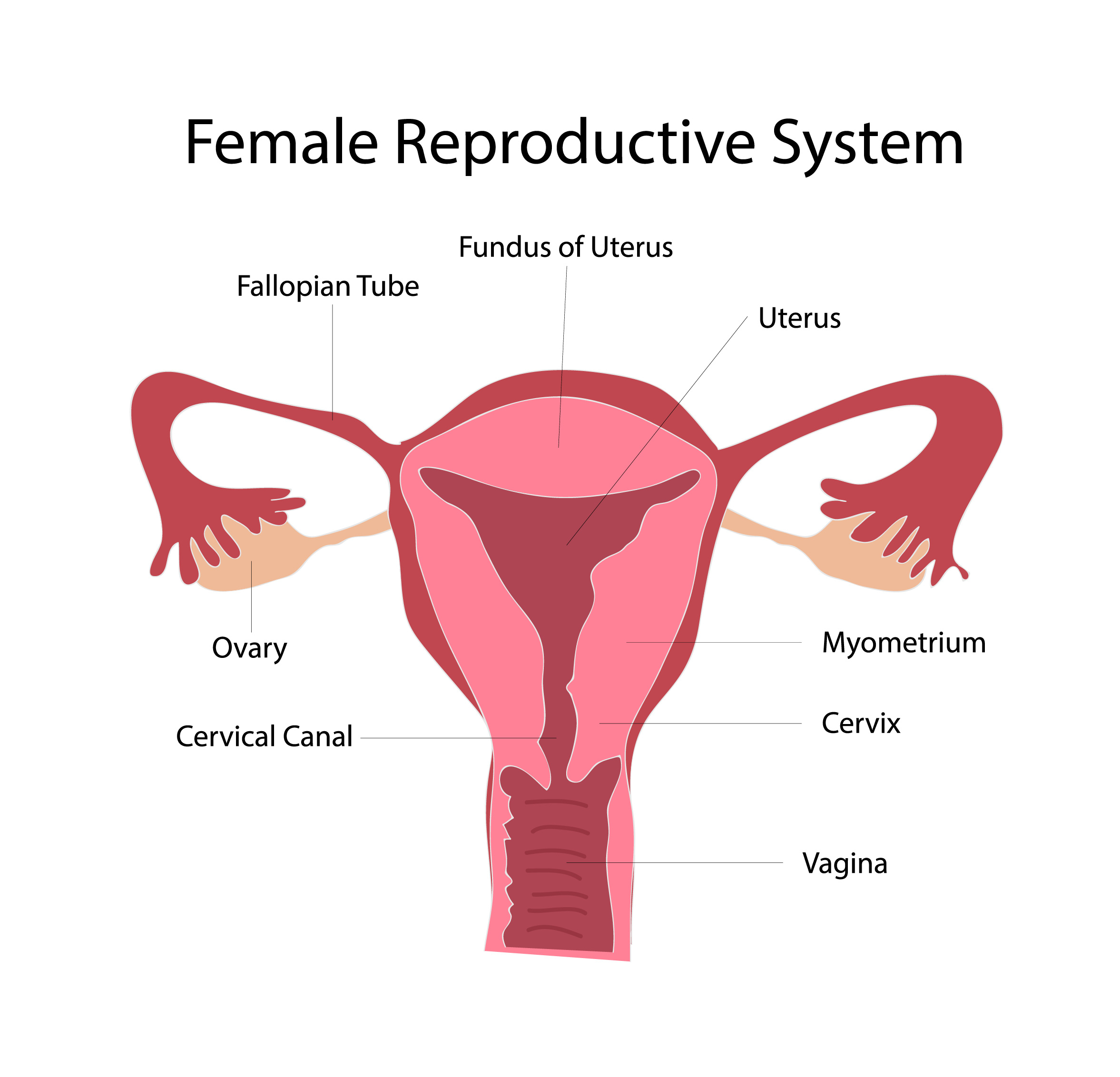
The uterine lining, or endometrium, undergoes a cycle of growth and shedding that prepares the body for a potential pregnancy. This lining consists of mucous membranes with a rich supply of blood vessels, designed to nourish a fertilized egg. Every month, the uterine lining thickens in anticipation of receiving a fertilized egg. If fertilization does not occur, the body discharges this lining through menstruation, a natural and essential process for reproductive health.
Shedding the uterine lining is integral because it maintains uterine health, preventing the excessive buildup of tissue. Without this cyclical shedding, individuals could face potential health issues, such as endometriosis or menorrhagia, which could lead to further complications. The process, however, is not one-size-fits-all; the experience differs among individuals, influenced by factors including hormone levels, age, stress, and overall health.
What Happens During Shedding?
The menstrual cycle can be divided into four phases, with shedding the uterine lining occurring during the menstrual phase. This phase starts when hormone levels (particularly progesterone and estrogen) drop, signaling the body to expel the thickened uterine lining. It is a complex process that involves the dismantling of blood vessels in the endometrium, resulting in the bleeding common to menstruation.
The first few days mark the most active shedding phase, which is why women often experience the heaviest bleeding at this time. Over the course of the cycle, the body continues to prepare the endometrium for its next potential role in pregnancy, regulated by a dynamic interplay of hormonal signals.
Conclusion
Shedding the uterine lining is a natural and crucial process for maintaining reproductive health. This cycle, although varying in intensity and duration, is vital for preparing the body for possible pregnancy and ensuring the health of the uterine environment. Each menstrual cycle resets the stage for fertility and is a testament to the complex yet beautifully orchestrated events happening within the female body monthly.
BIG SALE | FAST SHIPPING
HOT PROMOTIONS!



CROWX 👑 CLOMIROW 50 Mg / 50 Tabs ( Clomid )
Original price was: $ 79.00.$ 69.00Current price is: $ 69.00.
FAQs
What is the primary function of shedding the uterine lining?
The primary function of shedding the uterine lining is to renew the endometrial tissue, removing the old lining that is no longer needed if pregnancy does not occur. This allows for a fresh start in preparing for the possibility of a new pregnancy in the next cycle.
Can shedding the uterine lining indicate any health concerns?
While shedding the uterine lining is a normal part of the menstrual cycle, irregularities such as excessively heavy bleeding, severe pain, or very irregular periods could indicate underlying health concerns. It’s advisable to consult a healthcare provider if you experience any unusual symptoms. For more information, The Mayo Clinic and Healthline provide comprehensive resources on menstrual health.
Does diet affect the process of shedding the uterine lining?
Yes, diet can influence your menstrual cycle, including the process of shedding the uterine lining. A balanced diet rich in iron, vitamins, and minerals can support overall female health and help manage symptoms associated with menstruation. Regular exercise also plays a role in maintaining a healthy cycle.
Understanding the intricacies of shedding the uterine lining can empower women to make informed decisions about their health and wellness. By embracing this natural process, they can better manage and anticipate their body’s needs and changes throughout their lives.
Shedding of the uterine lining, medically known as menstruation, is a natural physiological process that occurs as part of the female reproductive cycle, typically on a monthly basis. This process involves the sloughing off of the endometrial tissue that lines the uterus when a fertilized egg does not implant, signifying that pregnancy has not occurred. Menstruation is regulated by a complex interplay of hormones, including estrogen and progesterone, which orchestrate the thickening and subsequent breakdown of the uterine lining. This cyclical shedding results in menstrual bleeding, which usually lasts for three to seven days. Menstruation is a normal part of puberty and continues until menopause, marking a key aspect of reproductive health. Despite being a biological process, it can vary significantly among individuals in terms of flow, duration, and symptoms, and can be influenced by factors such as lifestyle, stress, and health conditions.