Methyl Testosterone: The Controversial Edge in Bodybuilding
TABLE OF CONTENTS

Methyl testosterone is an anabolic-androgenic steroid (AAS) that has gained traction within the bodybuilding community for its potent effects. While its primary use is in medical scenarios, such as treating testosterone deficiency in men, some athletes and bodybuilders use methyl testosterone to enhance muscle growth and performance. This article explores the use of methyl testosterone for bodybuilding, its benefits, risks, and essential considerations.
Understanding Methyl Testosterone for Bodybuilding
Methyl testosterone is a synthetic version of the naturally occurring male hormone, testosterone. Its chemical modification allows it to be orally active, making it a convenient choice for those looking to enhance their physical capabilities. In bodybuilding, users may seek it for its ability to promote rapid muscle growth, increase strength, and improve workout performance.
While some claim methyl testosterone for bodybuilding is highly effective, its use brings significant health risks. It’s known to potentially lead to liver toxicity, hormonal imbalance, and other adverse effects, which users must consider before deciding to include it in their regime.
Benefits of Methyl Testosterone for Bodybuilding
-
- Muscle Growth: Methyl testosterone can stimulate protein synthesis, leading to efficient muscle growth and repair.
-
- Enhanced Strength: Users often report noticeable strength gains, allowing them to lift heavier weights and enhance performance.
-
- Boosted Stamina and Energy: The anabolic effects can also lead to increased energy levels, making longer and more intense workouts possible.
Risks and Side Effects
The use of methyl testosterone for bodybuilding is not without risks. Liver toxicity is a significant concern due to its oral administration. Users are also at risk of developing cardiovascular issues, such as increased cholesterol levels and hypertension. Additionally, hormonal imbalances can result in side effects like gynecomastia, acne, and mood fluctuations.
Responsible Use and Alternatives
Due to the risks associated with methyl testosterone, it’s crucial for individuals to approach its use with caution. Consulting with a healthcare professional before starting any steroid regimen is essential. Legal alternatives, such as natural testosterone boosters and proper training and nutrition, offer safer paths to muscle growth. Resources like Steroid Planner and Steroid.com provide further information on safer alternatives.
FREE SHIPPING
BIG SALE | FAST SHIPPING
HOT PROMOTIONS!
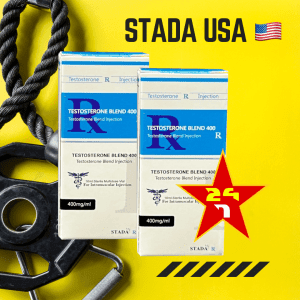

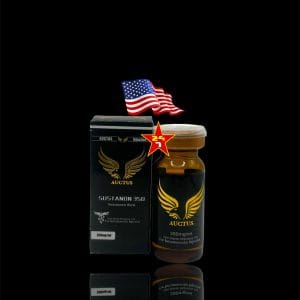
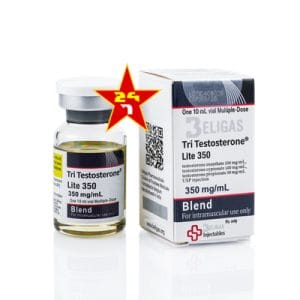
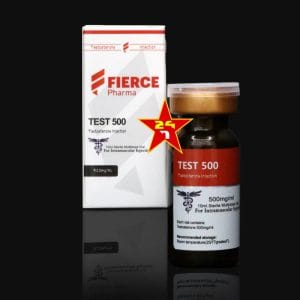
Fierce sustanon 350mg / ml 10ml

Original price was: $ 119.00.$ 109.00Current price is: $ 109.00.


Conclusion
Methyl testosterone for bodybuilding presents both opportunities and significant risks. While it can enhance muscle growth and performance, the potential for adverse effects necessitates careful consideration. Bodybuilders must weigh the benefits against the health risks and think about alternative methods for achieving their fitness goals. Safe and sustainable practices can often yield impressive results without compromising health.
FAQs
What is methyl testosterone?
Methyl testosterone is an anabolic-androgenic steroid used by some bodybuilders to enhance muscle growth, strength, and performance.
How is it used in bodybuilding?
Its oral administration makes it convenient for bodybuilders seeking rapid muscle and strength gains, but it comes with significant health risks.
What are the risks of using methyl testosterone?
Potential risks include liver toxicity, cardiovascular issues, hormonal imbalances, and other side effects. Consulting a healthcare professional is crucial.
Are there alternatives to methyl testosterone?
Yes, natural testosterone boosters, a balanced diet, and proper training offer safer ways to achieve bodybuilding goals. Resources like John Doe Bodybuilding and Ulaska provide valuable insights.
In conclusion, methyl testosterone for bodybuilding can be appealing but should be approached with caution and informed decision-making.
Methyl testosterone is an orally active synthetic anabolic steroid that has been used in bodybuilding for its muscle-building and performance-enhancing properties. Derived from testosterone, it promotes protein synthesis and muscle growth while also increasing strength and stamina. However, its use in bodybuilding is controversial due to potential side effects, such as liver toxicity, hormonal imbalances, and negative impacts on cholesterol levels. Additionally, methyl testosterone can lead to estrogen-related side effects like gynecomastia. Despite these risks, some bodybuilders may still turn to it in pursuit of rapid muscle gains. Importantly, its use should be approached with caution and under medical supervision, considering both legal implications and health risks.