

Methyltestosterone

Methyltestosterone is a synthetic androgenic anabolic steroid that has been utilized in various medical treatments. It is primarily prescribed for men who do not produce enough testosterone, and it holds significance in treating certain kinds of breast cancer in women. This article aims to shed light on the use of Methyltestosterone, its benefits, potential side effects, and considerations one should keep in mind before using this steroid.
What is Methyltestosterone?
Methyltestosterone is derived from testosterone and characterized by its modified chemical structure, which allows for oral ingestion. It is classified as both an androgen and anabolic steroid, meaning it assists in the development and maintenance of masculine characteristics as well as promoting muscle growth.
Medical Uses and Benefits
Methyltestosterone has several approved medical uses. For men with hypogonadism (a condition where the body produces insufficient testosterone), it’s prescribed to help restore normal testosterone levels. Additionally, it is used to treat delayed puberty in boys, thus aiding in the development of secondary sexual characteristics. In women, Methyltestosterone can be prescribed as an adjunct therapy for metastatic breast cancer to alleviate some symptoms.
Important Considerations and Side Effects
While Methyltestosterone can be beneficial, it also comes with a range of potential side effects, including liver toxicity, increased risk of cardiovascular issues, mood swings, and the possibility of developing male characteristics in women. It is crucial for users to follow their healthcare provider’s dosage recommendations carefully and discuss any pre-existing conditions or medications that may interact adversely with Methyltestosterone.
Conclusion
Methyltestosterone can play an essential role in addressing certain medical conditions related to testosterone deficiency. However, like any medication, its use should be approached with caution. Understanding the benefits and risks associated with Methyltestosterone allows patients and healthcare providers to collaborate in achieving the desired therapeutic outcomes while minimizing potential adverse effects.
FAQs
Q: Is Methyltestosterone safe for long-term use?
A: The long-term use of Methyltestosterone can pose risks, such as liver damage and heart issues. Regular medical supervision is important to monitor these risks.
Q: Can women take Methyltestosterone?
A: While it is occasionally prescribed to women, particularly for breast cancer management, careful monitoring is necessary due to potential virilizing effects.
Q: How is Methyltestosterone taken?
A: It is usually taken orally under the guidance of a healthcare provider, who will determine the appropriate dosage and duration of treatment.
Q: Are there alternatives to Methyltestosterone?
A: Yes, there are numerous alternative therapies for testosterone deficiency, and individuals should consult with their healthcare provider to determine the best option for their needs.
FREE SHIPPING
BIG SALE | FAST SHIPPING
HOT PROMOTIONS!
DBOL 50mg TABLETS 50 TABLETS FIERCE

Original price was: $ 110.00.$ 109.00Current price is: $ 109.00.


STADA DHB DIHYDROBOLDENONE 100MG 10 ML
Original price was: $ 219.00.$ 109.00Current price is: $ 109.00.
DIANABOL 50MG FIERCE 50 CAPS

Original price was: $ 119.00.$ 99.00Current price is: $ 99.00.
ZPHC Dbol Dianabol Methandienone 10mg x 100 tablets
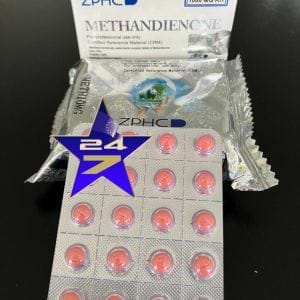
Original price was: $ 99.00.$ 69.00Current price is: $ 69.00.


#peptides #skincare #antiaging #b #skin #beauty #collagen #wellness #weightloss #sermorelin #ghrp #stayfit #bodybuilding #injections #hcg #skincareroutine #hcgphase #hcgdiet #hcginjections #doral #hcgplus #hcgworks #miami #hcgpellets #hcgdrops #hcgusers #hcgcommunity #hcgresults #miamibeach #hcgprotocol #hcgchica #alastinskincare
Methyltestosterone is a synthetic androgenic anabolic steroid often used medically to treat testosterone deficiency in men and certain types of breast cancer in postmenopausal women. It functions by mimicking the natural hormone testosterone, thereby assisting in the development of male sexual characteristics and the maintenance of muscle and bone mass. Administered orally, its chemical structure is altered to resist metabolic degradation by the liver, which enhances its bioavailability compared to endogenous testosterone. Despite its benefits, methyltestosterone has the potential for abuse due to its performance and physique-enhancing capabilities, which can lead to adverse effects such as liver toxicity, altered lipid profiles, and increased risk of cardiovascular events. Consequently, its use is regulated in many countries, requiring careful medical supervision to balance the therapeutic benefits against possible health risks.