MGF-PEG: A New Era in Muscle Regeneration
TABLE OF CONTENTS

The Mgf peg is an innovative tool used across various industries to secure, fasten, or align components with efficiency and reliability. Mastering the use of the Mgf peg can significantly enhance the precision and durability of projects, providing a seamless solution to fastening challenges.
Introduction to Mgf Peg
Understanding the Mgf peg begins with acknowledging its basic design and application. Created for both simple and complex assemblies, the peg provides a versatile solution used extensively in construction, manufacturing, and DIY projects. Its straightforward use, combined with high strength, makes it a favorite among professionals and hobbyists alike.
Uses of the Unique Mgf Peg
One of the key features of the Mgf peg is its adaptability across various scenarios. Unlike conventional fasteners, the Mgf peg offers increased torque tolerance and load-bearing capacity, which makes it ideal for heavy-duty applications. Additionally, its corrosion-resistant properties enhance durability, making it a perfect choice for outdoor structures subjected to the elements.
Why You Should Never Use the Same Mgf Peg Twice
Reusing an Mgf peg can compromise the integrity of your assembly. Once inserted, the peg molds itself to the structure, ensuring maximum hold. Reusing it would weaken its grip, leaving your project vulnerable to potential failures. Each use of a new Mgf peg guarantees consistency and strength, maintaining structural integrity and ensuring long-term results.
Installation Tips for the Mgf Peg
To maximize the effectiveness of the Mgf peg in your project, ensure precise alignment during installation. This will allow the peg to bind tightly and evenly across all contact surfaces. Also, consider the conditions under which the assembly will operate to choose the right material and size for your Mgf peg.
Conclusion
The Mgf peg is an essential tool for those seeking durability and strength in their assemblies. By adhering to the practice of using a new Mgf peg for each application, users can ensure optimal functionality and a longer lifespan for their projects. These simple guidelines, when followed diligently, will lead to outstanding outcomes and a deeper appreciation of this remarkable fastening solution.
FAQs
What materials are Mgf pegs made from?
Mgf pegs are typically made from high-grade steel, aluminum, or plastic, depending on the application requirements and environmental conditions.
Can Mgf pegs be used for both indoor and outdoor applications?
Yes, Mgf pegs are suitable for both indoor and outdoor use, particularly those made from corrosion-resistant materials for outdoor applications.
Is there a specific tool required to install an Mgf peg?
Common hand tools like hammers or mallets are generally sufficient for installing Mgf pegs, though specialized tools may be needed for specific applications.
BIG SALE | FAST SHIPPING
HOT PROMOTIONS!





ZPHC UltraMix 10ml MultiUse Vial 1ml = 250mg

Original price was: $ 255.00.$ 179.00Current price is: $ 179.00.
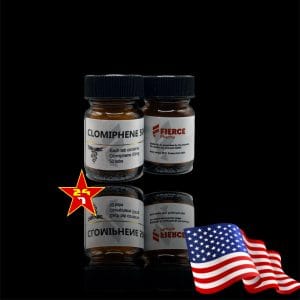
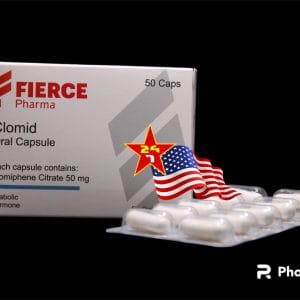
FIERCE CLOMID 50MG 50CAPS
Original price was: $ 129.00.$ 119.00Current price is: $ 119.00.
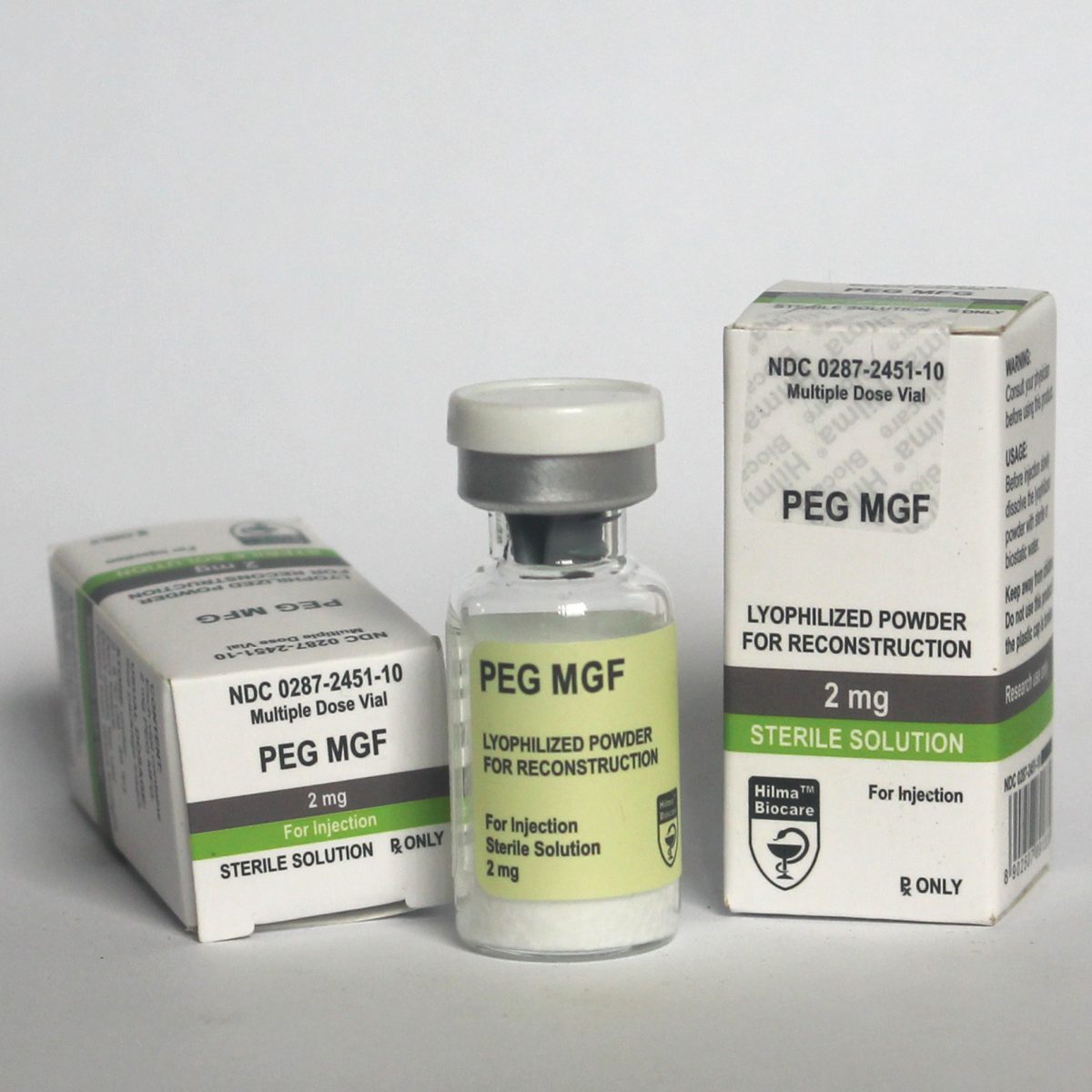
Mgf PEG, short for methoxypolyethylene glycol, is a chemical compound commonly utilized in the field of biochemistry and pharmaceuticals for its ability to modify and stabilize biologically active molecules. The modification, known as PEGylation, involves the attachment of PEG chains to proteins, peptides, or other molecules, significantly enhancing their solubility, stability, and bioavailability. By reducing the immunogenicity and proteolytic degradation of therapeutic agents, PEGylation can extend the molecule’s circulatory half-life, thereby improving its efficacy and dosage convenience. Mgf PEG’s versatility and biocompatibility make it a valuable tool in the development of advanced drug delivery systems, contributing to the creation of more effective and patient-friendly therapeutic options.