

Mochi: A Delicious Treat with Surprising Health Benefits

Nutritional Value of Mochi
Mochi is made from glutinous rice, which is pounded into a sticky paste. As a whole grain food, mochi provides a number of essential nutrients including carbohydrates, proteins, and small amounts of dietary fiber. The whole grain source contributes to sustained energy release, making it an excellent option for pre- or post-workout snacks.
Health Benefits of Mochi
Incorporating mochi into your diet can offer several health benefits. It is low in saturated fats and contains no trans fats, making it a heart-friendly choice. Mochi is also low in cholesterol, which is beneficial for maintaining a healthy heart and reducing the risk of cardiovascular diseases.
Additionally, mochi is a good source of plant-based protein. This makes it an excellent option for vegetarians and individuals looking to increase their protein intake without consuming animal products. The presence of iron in mochi helps in boosting hemoglobin production, essential for oxygen transport in the body.
Moderation Is Key
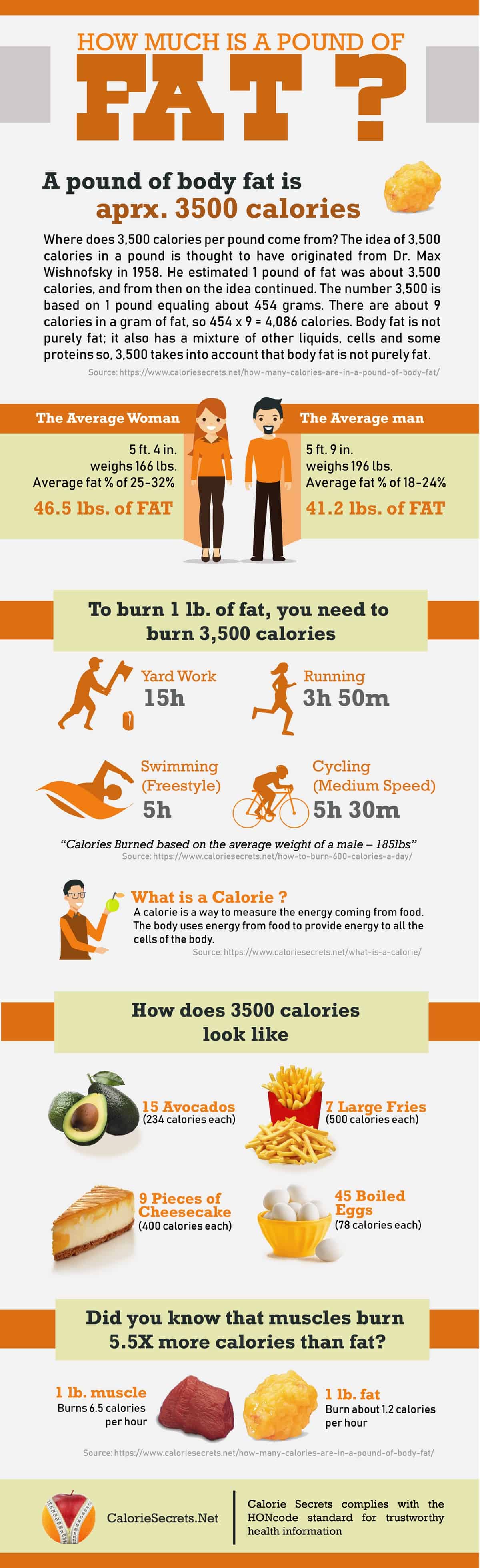
While mochi has health benefits, it is important to consume it in moderation. Due to its high carbohydrate content, excessive consumption can lead to weight gain. Those with gluten sensitivities or celiac disease should opt for alternatives, as traditional mochi might not be suitable for them.
For those interested in boosting their performance and potentially using supplements, exploring reliable resources is crucial. Websites like steroidplanner.com, steroid.com, and johndoebodybuilding.com can provide insights into different dietary plans and supplement use.
FREE SHIPPING
HOT PROMOTIONS!
BIG SALE | FAST SHIPPING
CROWX 👑 SUSTAROW 300 MG/ 10 ML Vial SUSTANON
Original price was: $ 109.00.$ 99.00Current price is: $ 99.00.

Boldenone Undecylenate AUCTUS 200
Original price was: $ 139.00.$ 99.00Current price is: $ 99.00.




Conclusion
Mochi, when consumed in moderation, can be a tasty and nutritious addition to a balanced diet. Its health benefits make it appealing to various dietary preferences. However, always be mindful of portion sizes and individual dietary needs.
FAQs
Is mochi gluten-free?
While mochi is made from glutinous rice, it does not contain gluten. However, it’s important to ensure there are no gluten-containing additives if you have gluten sensitivities.
Does mochi contribute to weight gain?
Mochi can contribute to weight gain if eaten in large quantities due to its high carbohydrate content. Moderation is essential.
Can I make mochi at home?
Yes, making mochi at home is feasible. There are various recipes available online that can guide you through the process.
Mochi, a traditional Japanese rice cake made from glutinous rice, is a popular treat known for its chewy texture and versatility. While mochi is low in fat and provides a small amount of protein, it’s primarily a source of carbohydrates. This makes it a quick energy boost, but moderation is key due to its calorie density and potential to spike blood sugar levels. Some varieties enhance nutritional value by incorporating ingredients like matcha or red bean paste, offering antioxidants or additional fiber. However, caution is advised when consuming mochi, as its sticky consistency can pose choking hazards, especially for children and the elderly. Enjoyed mindfully, mochi can be a delightful part of a balanced diet.