Mouth Breathing on Facial Development: What You Need to Know
TABLE OF CONTENTS

Mouth breathing facial is a term that has been gaining attention in both the medical and wellness communities. It describes a specific facial posture that often develops in individuals who predominantly breathe through their mouth rather than their nose. This seemingly innocuous habit can have profound implications not only on one’s health but also on their appearance.
Understanding Mouth Breathing Facial
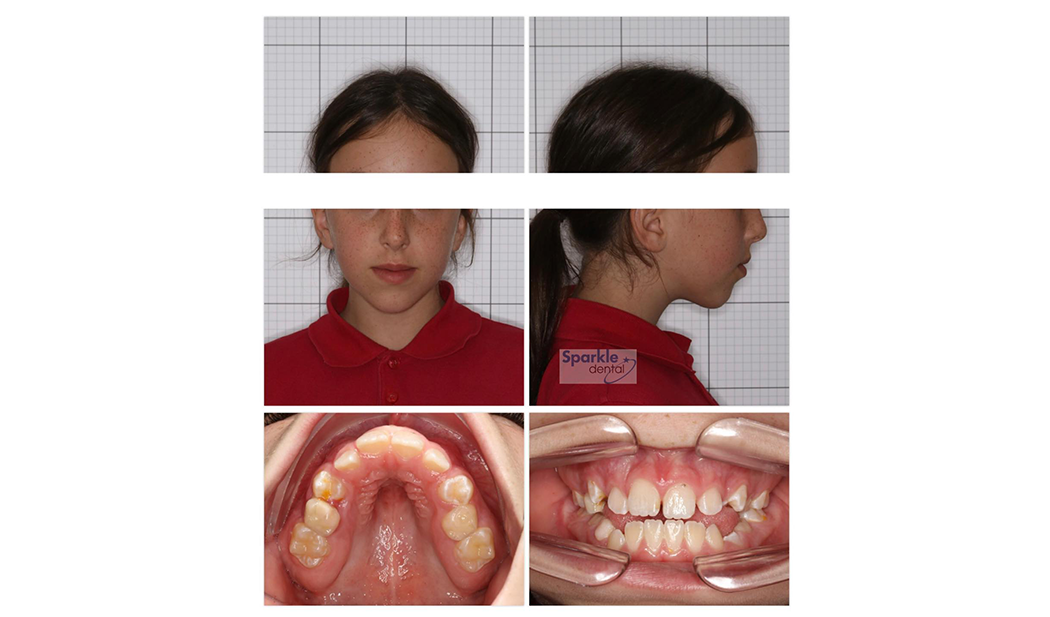
Typically, a mouth breathing facial is characterized by a slightly open mouth, less defined jawline, and sometimes even elongated facial structures. The cause of mouth breathing can range from chronic nasal congestion and allergies to obstructive sleep apnea and habitual behavior. When someone predominantly breathes through their mouth, it can lead to underdevelopment of the facial structures, which in turn affects the overall harmony and symmetry of the face.
Health Implications
Breathing through the mouth instead of the nose can have several health drawbacks. Nasal breathing facilitates the production of nitric oxide, which helps increase lung capacity and resistance to infections. On the other hand, a mouth breathing facial contributes to problems like dry mouth, increased dental cavities, gum disease, and even more severe issues like sleep disorders. The long-term oxygen deprivation associated with persistent mouth breathing can also impair cognitive functions.
Cosmetic Consequences
The aesthetic consequences of a mouth breathing facial can be equally significant. Individuals often develop longer, narrower faces with a higher likelihood of dental malocclusions. The constant slack-jaw posture can make someone appear tired or less focused. Over time, these changes can become more noticeable and harder to correct without medical interventions.
Addressing Mouth Breathing Facial
Correcting a mouth breathing facial requires a multi-disciplinary approach. Medical evaluation to rule out underlying issues like nasal obstructions or allergies is essential. Simple techniques, such as adopting good posture, practicing myofunctional therapy, and even using surgical interventions like rhinoplasty or orthodontics, might be recommended. These measures can help correct and, in some cases, reverse the adverse effects of a mouth breathing facial.
Conclusion
Mouth breathing facial is more than an aesthetic concern; it’s a health issue that requires attention. By understanding and addressing the underlying causes, individuals can not only improve their appearance but significantly enhance their overall well-being. Emphasizing nasal breathing as a practice can help mitigate many of these risks.
FAQs
What causes a mouth breathing facial pattern?
Mouth breathing facials are often caused by chronic nasal congestion, allergies, structural nasal obstruction, or simply habitual behavior. Identifying and treating the root cause is crucial for correction.
Can mouth breathing facial be reversed?
In many cases, yes. Early intervention with myofunctional therapy, addressing nasal obstruction, or orthodontic treatment can significantly improve the condition.
How can I prevent a mouth breathing facial in children?
Ensure children maintain good nasal breathing habits, oral hygiene and are regularly checked by an ENT specialist if recurrent congestion occurs.
Check out this comprehensive guide on myofunctional therapy and learn more about dental impacts.
BIG SALE | FAST SHIPPING
HOT PROMOTIONS!





CLOMIPHENE TABLETS 50mg 50 TABLETS FIERCE

Original price was: $ 99.00.$ 89.00Current price is: $ 89.00.

CROWX 👑 CLOMIROW 50 Mg / 50 Tabs ( Clomid )

Original price was: $ 79.00.$ 69.00Current price is: $ 69.00.


Mouth breathing facial refers to the distinct set of facial features and alterations that can develop in individuals who predominantly breathe through their mouths rather than their noses. This condition is often linked to various underlying factors, such as nasal obstructions, allergies, or chronic respiratory issues, leading to a reliance on oral breathing. Over time, mouth breathing can influence facial aesthetics, including a longer face, narrower palate, and recessed chin, as well as dental issues like crooked teeth and gum disease. These changes occur because the muscles and bones in the face adapt to the altered breathing pattern, impacting jaw alignment and overall facial structure. Early intervention and treatment, such as addressing nasal obstructions or using orthodontic appliances, can help mitigate the long-term effects on facial development.