Muscle Potential: The Science Behind Eccentric Contractions
TABLE OF CONTENTS

In the realm of physical fitness and muscle training, eccentric contractions play an integral role. This often-overlooked aspect of exercise is key to building strength and enhancing overall muscular performance. In this article, we delve into what eccentric contractions are, their benefits, and how they can be effectively incorporated into your workout regimen.
What Are Eccentric Contractions?
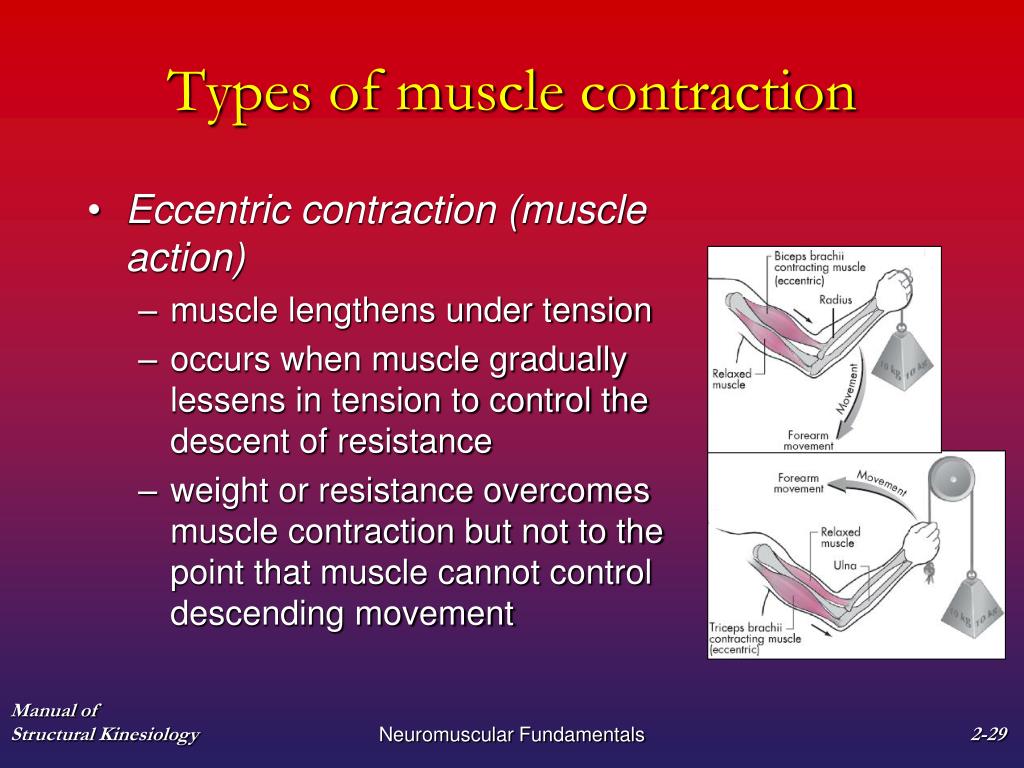
Eccentric contractions occur when a muscle lengthens under tension, usually as it returns from a contracted position to its resting state. This phase of muscle action is typical during the lowering phase of a movement. For instance, when you perform a bicep curl, lifting the weight is a concentric action, while lowering it represents the eccentric phase.
The Importance of Eccentric Contractions in Exercise
The stretching and tension experienced during eccentric contractions can lead to significant gains in muscle strength and size. They are essential not only for building muscle but also for preventing injury. By controlling the lowering phase, you challenge your muscles more intensely, leading to adaptation and growth.
Benefits of Incorporating Eccentric Contractions
- Increased Muscle Mass: This contraction type helps in maximizing muscle growth by exerting a stronger force against the muscle fibers.
- Increased Muscle Mass: This contraction type helps in maximizing muscle growth by exerting a stronger force against the muscle fibers.
- Enhanced Strength: Practicing movements that emphasize eccentric phases improves overall strength by activating different muscle fibers.
- Enhanced Strength: Practicing movements that emphasize eccentric phases improves overall strength by activating different muscle fibers.
- Injury Prevention: Strengthening muscles through controlled elongation aids in reducing the risk of injuries by improving muscle resilience and joint stability.
- Injury Prevention: Strengthening muscles through controlled elongation aids in reducing the risk of injuries by improving muscle resilience and joint stability.
- Improved Flexibility: Repetitive lengthening of the muscles during eccentric actions can lead to a greater range of motion and flexibility.
- Improved Flexibility: Repetitive lengthening of the muscles during eccentric actions can lead to a greater range of motion and flexibility.
Integrating Eccentric Contractions into Your Workout
To reap the benefits of eccentric contractions, incorporate exercises focusing on the lowering phase. For example, when performing squats, focus on the slow descent, taking about 3-5 seconds to lower your body. Other workouts like deadlifts, bench presses, and lunges can also be adapted to emphasize eccentric portions.
Furthermore, single-leg exercises like split squats or one-arm push-ups offer an effective way to challenge your muscles eccentrically. Consistency and variety in your training plan will yield the best results.
Conclusion
Eccentric contractions are a pivotal element in achieving a balanced and effective workout routine. By integrating exercises that emphasize this phase of muscle action, you can expect improved strength, muscle mass, flexibility, and injury resilience. For anyone serious about fitness, understanding and utilizing eccentric movements is essential.
BIG SALE | FAST SHIPPING
HOT PROMOTIONS!
ZPHC UltraMix 10ml MultiUse Vial 1ml = 250mg

Original price was: $ 255.00.$ 179.00Current price is: $ 179.00.
ZPHC UltraMix 1ml amps x 10 amps - 1ml = 250mg

Original price was: $ 259.00.$ 179.00Current price is: $ 179.00.

CLOMID 50MG FIERCE 50 TABLETS

Original price was: $ 129.00.$ 119.00Current price is: $ 119.00.


Fierce nandrolone decanoate 300 / ml 10ml

Original price was: $ 131.00.$ 119.00Current price is: $ 119.00.


FAQs
What is the difference between eccentric and concentric contractions?
Eccentric contractions involve the lengthening of a muscle under tension, whereas concentric contractions relate to muscle shortening during activity. Both are crucial for comprehensive muscle development.
Are eccentric contractions more effective than concentric contractions?
While both are necessary for balanced muscle development, eccentric contractions may offer unique benefits such as greater muscle growth and strength increases, especially when controlled during workouts.
How often should I include eccentric-focused exercises in my routine?
Incorporating eccentric exercises 2-3 times a week can be beneficial, but it’s important to balance them with concentric and isometric exercises to avoid overtraining.
Can eccentric contractions help with weight loss?
Yes, integrating eccentric phases in strength training elevates muscle engagement, which can boost metabolism and aid in weight management.
In conclusion, understanding and incorporating eccentric contractions can significantly enhance the effectiveness of your workouts, paving the way for a stronger, more resilient physique.
Eccentric contractions are a type of muscle activation that occur when a muscle lengthens while under tension, often serving as a crucial function in various movements and strength-building exercises. During eccentric contractions, the muscle absorbs energy by controlling or slowing down the movement, as seen in actions like the lowering phase of a bicep curl or descending a flight of stairs. This type of contraction is vital not only for enhancing muscle strength and coordination but also for reducing the risk of injury by stabilizing joints and managing force distribution throughout the body. In strength training, eccentric exercises are known for their efficiency in breaking down muscle fibers, which in turn promotes hypertrophy or muscle growth during the recovery process. Furthermore, eccentric contractions may aid in improving flexibility and joint range of motion, offering a comprehensive approach to fitness and rehabilitation.