Nandrolone
TABLE OF CONTENTS

Nandrolone is an anabolic steroid that has garnered attention both in medical settings and the athletic world. Originally synthesized in the 1950s, its primary use was for the treatment of a variety of medical conditions, but its benefits for bodybuilders and athletes quickly became apparent. This article delves into what Nandrolone is, how it works, its uses, and the controversies surrounding it.
What is Nandrolone?
Nandrolone is an anabolic-androgenic steroid (AAS), which means it helps build muscle (anabolic) and develop male characteristics (androgenic). Chemically, it is very similar to the male hormone testosterone, but with a slight difference that reduces several unwanted side effects associated with testosterone.
How Does Nandrolone Work?
Nandrolone works by increasing the nitrogen balance in the body. It boosts protein synthesis and stimulates collagen synthesis, leading to enhanced muscle growth and repair. It also supports the retention of calcium in the bones, making it beneficial for treating osteoporosis. These effects make it a popular choice among athletes for improving performance and increasing muscle mass.
Medical Uses of Nandrolone
Medically, Nandrolone is used to treat a range of conditions such as chronic illnesses, severe burns, cancer, and HIV/AIDS-related muscle wasting. It is also prescribed for anemia due to its ability to increase red blood cell production. These uses highlight its importance in promoting recovery and maintaining lean body mass in medical patients.
Nandrolone in Sports
In sports, Nandrolone has been both celebrated and vilified. Its ability to enhance muscle mass and performance makes it attractive to athletes. However, it is considered a banned substance by numerous sports organizations, including the World Anti-Doping Agency (WADA), due to fairness and safety concerns.
Controversies and Side Effects
The use of Nandrolone is not without controversies. While it possesses therapeutic benefits, its misuse can lead to severe side effects like cardiovascular issues, hormonal imbalances, liver problems, and psychological effects. Regulatory bodies are continuously working to prevent its abuse in sports.
Conclusion
In conclusion, Nandrolone is a potent anabolic steroid with significant medical and performance-enhancing uses. While it offers considerable benefits, particularly in medical treatments and bodybuilding, its misuse poses significant health risks. Understanding the correct usage, potential, and dangers is crucial for anyone considering it for any purpose.
FAQs
Q1: Is Nandrolone safe for women?
A1: Nandrolone should be used cautiously in women as it can cause virilization effects, including deepening of the voice, increased body hair, and menstrual irregularities.
Q2: How is Nandrolone administered?
A2: Nandrolone is typically administered through injections, which should only be performed under the supervision of a healthcare professional.
Q3: Can Nandrolone be detected in drug tests?
A3: Yes, Nandrolone metabolites can be detected in urine. Athletes should be aware of this if they are subject to doping tests.
Q4: Are there alternatives to Nandrolone for muscle building?
A4: There are natural supplements and intense training regimens that can help build muscle without the side effects associated with steroids like Nandrolone.
FREE SHIPPING
BIG SALE | FAST SHIPPING
HOT PROMOTIONS!


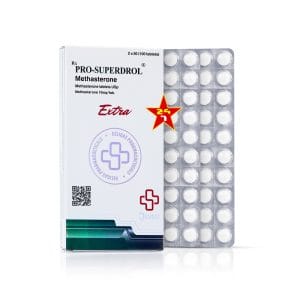


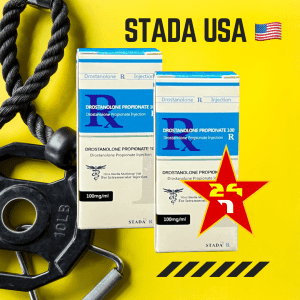



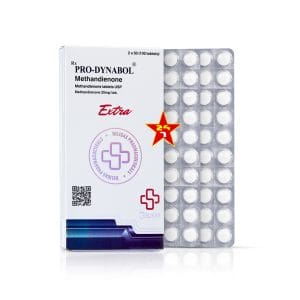

Nandrolone is an anabolic steroid that is synthetically produced and closely related to the male hormone testosterone. It is commonly used in the medical field to treat anemia associated with chronic kidney failure, as it helps stimulate red blood cell production. Beyond its medical applications, nandrolone has gained notoriety in the world of sports and bodybuilding for its ability to enhance muscle growth, increase strength, and improve overall performance. However, its use outside prescribed medical purposes is controversial and often illegal due to potential side effects such as cardiovascular issues, liver damage, hormonal imbalances, and behavioral changes. The substance is banned by most major sporting organizations, and its use can lead to severe penalties for athletes. Despite its questionable reputation, nandrolone continues to be a subject of research, as scientists explore its potential therapeutic benefits while striving to mitigate its adverse effects.