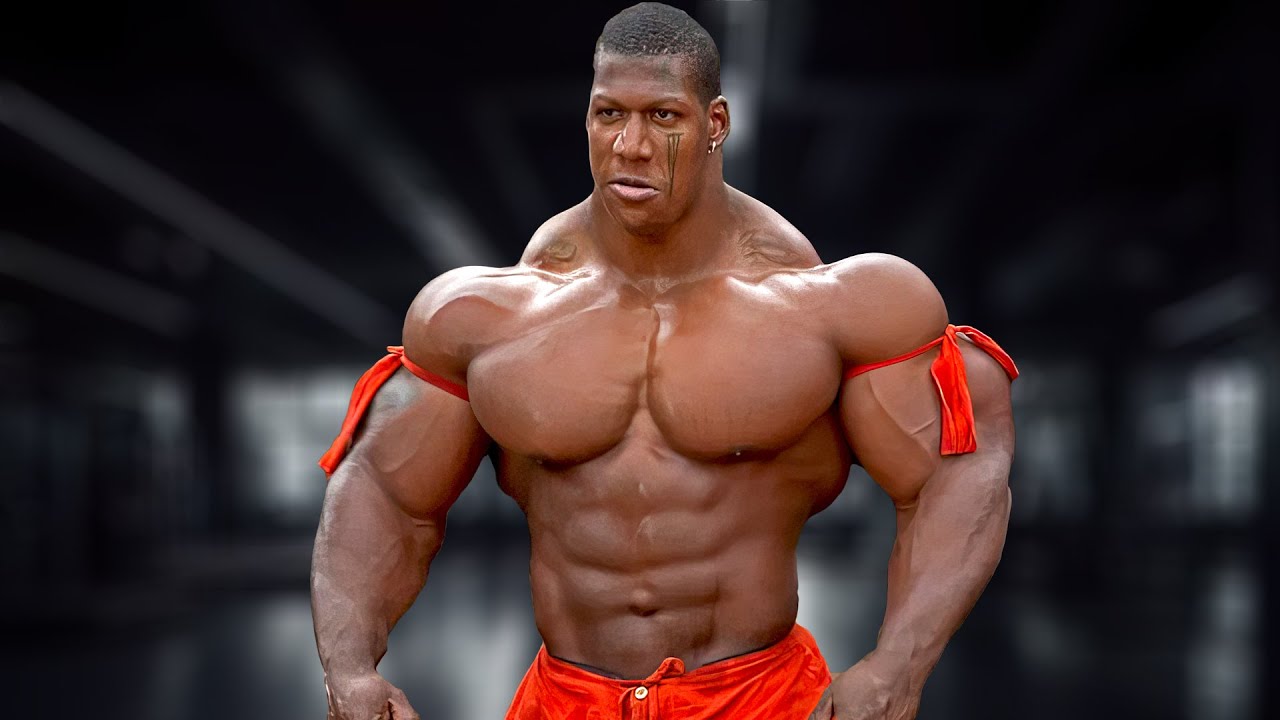
Neckzilla: The Internet’s Latest Viral Sensation Explained
TABLE OF CONTENTS

Discovering the Phenomenon of Neckzilla
In the diverse world of internet memes and online entertainment, bizarre and humorous trends frequently emerge, captivating audiences. Among these is “Neckzilla,” a term that has intrigued many across various online platforms. Meant as a playful jab or a satirical take, Neckzilla has managed to capture a space in digital culture. So, what is Neckzilla, and why has it become an emblem of internet humor?
The Origins of Neckzilla
Neckzilla is a portmanteau, blending “neck” and “Godzilla,” typically used to describe people with noticeably broad or large necks. The term gained traction within meme communities, where exaggerated features often become focal points for humor. The essence of these jokes hinges on light-hearted teasing rather than malice, resonating with audiences who enjoy the exaggerated and the absurd.
The character Neckzilla found its roots in internet forums and meme-sharing websites where users began humorously highlighting individuals with prominent necks. With the rise of image-editing tools and the vast reach of social networks, these memes rapidly circulated, making Neckzilla a well-recognized term.
The Appeal of Neckzilla in Popular Culture
The affinity for Neckzilla lies in its commitment to hyperbole and satire. Much like other viral phenomena, its charm rests on the shared understanding between creators and viewers that the content is intended purely for entertainment. In the case of Neckzilla, the humor is often enhanced through skillful image manipulation and clever captions, poking fun without crossing the line into offense.
As with many internet trends, Neckzilla’s success can also be attributed to its relatability and the communal joy found in shared laughter. Despite its humorous intent, the trend sheds light on the growing acceptance of playful self-deprecation and the universal enjoyment of harmless fun.
Neckzilla in the Digital Age
As the digital age progresses, meme culture continues to evolve, and terms like Neckzilla serve as testament to this evolution. These trendy phenomena not only provide entertainment but also subtly reflect societal nuances, shaping how we communicate humorously online.
One significant aspect of Neckzilla’s continued popularity is its adaptability. While originating as a specific term, it has transcended into broader uses, referencing any exaggerated neck-related humor. This dynamic nature ensures its longevity in the fast-paced meme landscape.
Conclusion
Neckzilla is more than just an online joke; it’s a reflection of modern meme culture’s propensity for creativity, collaboration, and humor. It embodies the playful spirit of internet communities who thrive on shared laughter and self-expression. While some may see it as mere folly, others appreciate the subtle commentary on societal norms, making Neckzilla a vibrant piece of digital folklore.
FAQs
Q1: Is Neckzilla meant to offend?
A: No, Neckzilla is primarily used in a playful and humorous context rather than to offend.
Q2: How did Neckzilla become popular?
A: Neckzilla gained popularity through meme communities on social media, where users shared exaggerated images and captions for entertainment.
Q3: Can anyone create Neckzilla memes?
A: Yes, anyone interested in meme culture and familiar with basic image-editing tools can create Neckzilla memes.
For more insights into the fascinating world of online humor, you can explore Know Your Meme and Meme Generator.
BIG SALE | FAST SHIPPING
HOT PROMOTIONS!






CLOMIPHENE TABLETS 50mg 50 TABLETS FIERCE

Original price was: $ 99.00.$ 89.00Current price is: $ 89.00.



“Neckzilla” is a colloquial term often used to humorously describe individuals with unusually large or muscular necks that appear disproportionately big compared to their head or body. This term, likely derived from combining “neck” with “-zilla,” referencing the iconic creature Godzilla, is often seen on social media and forums discussing fitness, bodybuilding, or humorous observations about people’s physical traits. Neckzilla might refer to someone who has developed a thick neck through specific strength training exercises, such as neck bridges or shrugs, commonly seen in athletes like wrestlers, rugby players, or bodybuilders who require neck strength and stability. While the term is generally used in good spirit, it underscores the broader societal fascination and commentary on unique or exaggerated physical features.