
Nettle: Discovering the Hidden Benefits of This Versatile Plant

Historical Uses of Nettle
Historically, nettle has been utilized in various cultures for its medicinal and practical applications. From ancient Greece to medieval Europe, people have recognized its potential. The Egyptians recorded use of nettle for its potential to treat arthritis, while Romans used it to stimulate circulation by rubbing the leaves directly onto the skin. Its fibers have also been used to produce textiles, offering a sustainable alternative to other materials.
Health Benefits of Nettle
Nettle is renowned for its health-promoting properties. Rich in vitamins A, C, K, and several B vitamins, it is also a great source of minerals like iron, potassium, and magnesium.
BIG SALE | FAST SHIPPING
HOT PROMOTIONS!
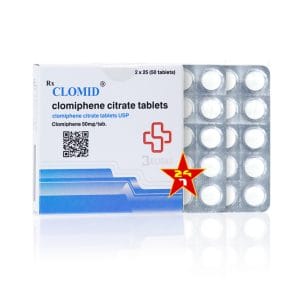



FIERCE CLOMID 50MG 50CAPS
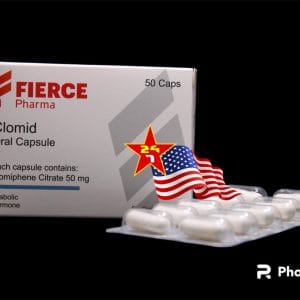
Original price was: $ 129.00.$ 119.00Current price is: $ 119.00.
How to Incorporate Nettle Into Your Diet
There are various ways to incorporate nettle into your daily diet. Its leaves can be dried and used to make herbal teas, or added fresh to smoothies for an extra nutritional boost. Furthermore, many use nettle as an ingredient in soups and salads to enjoy its rich flavor and health benefits. It’s important to note that cooking nettle neutralizes its sting, making it safe and enjoyable to eat.
Conclusion
In conclusion, nettle is much more than just a common weed. With a rich history of uses and a host of health benefits, it stands out as a versatile and beneficial plant. Whether you’re looking to boost your nutritional intake or address specific health issues, nettle offers an array of potential benefits. As with any supplement or herbal remedy, it’s advisable to consult a healthcare provider before significantly changing your intake. For more detailed information on the benefits and uses of nettle, you can explore reliable sources such as Healthline.
FAQs
What are the main benefits of nettle?
Nettle is packed with nutrients, antioxidants, and anti-inflammatory compounds. It can help with allergies, arthritis, and boost overall nutrition.
Is nettle safe to consume?
Yes, nettle is safe to consume when prepared properly. Cooking neutralizes the sting, making it safe for eating in soups and teas. However, consult a healthcare provider before starting any new herbal supplement.
How can I include nettle in my diet?
You can add nettle to your diet through herbal teas, smoothies, soups, and salads. Ensure the leaves are cooked or dried to neutralize their sting.
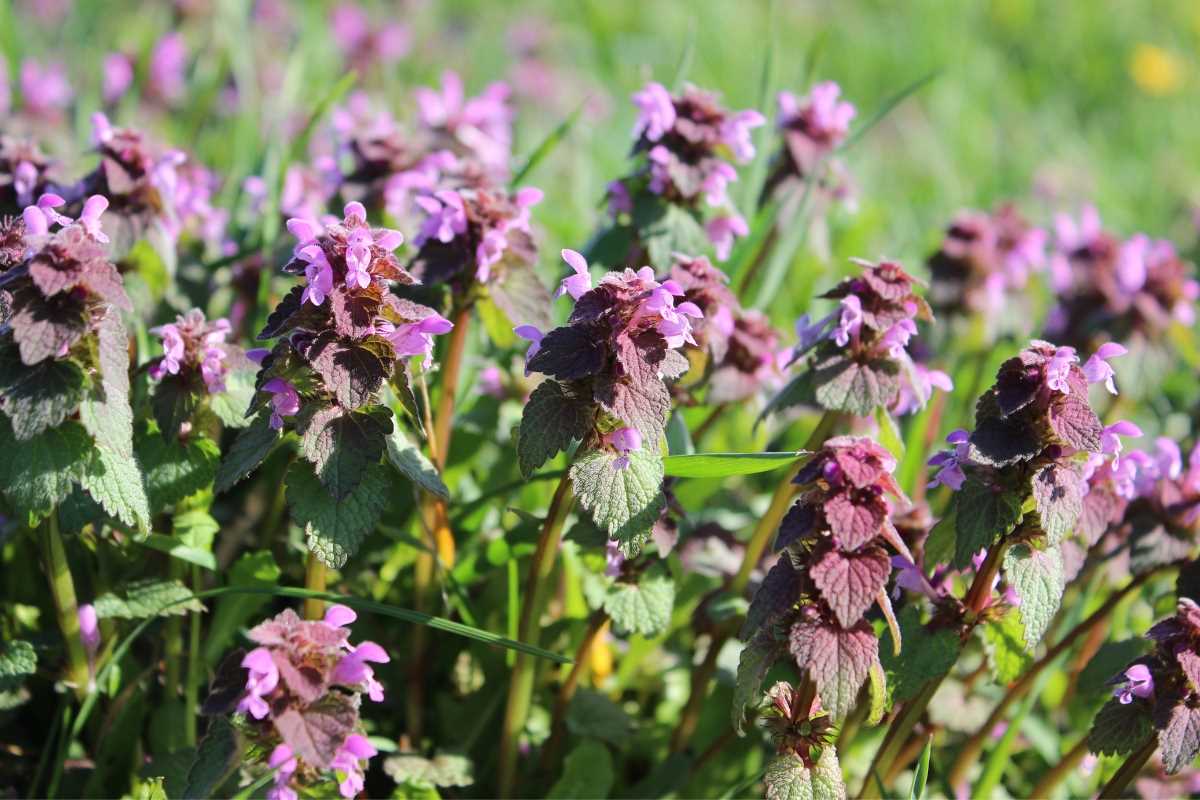
Nettle, scientifically known as Urtica dioica, is a perennial plant renowned both for its stinging hairs and its myriad of uses and benefits. This hardy plant, often found thriving in moist, nutrient-rich environments across Europe, North America, and parts of Asia, is distinguished by its serrated green leaves and small clusters of greenish flowers. Despite its reputation for causing skin irritation upon contact, nettle has been esteemed for centuries in herbal medicine and culinary applications. Rich in essential nutrients such as vitamins A, C, K, and several B vitamins, as well as minerals like iron, calcium, and magnesium, nettle supports various health functions and is believed to alleviate inflammation, hay fever, and arthritis. Additionally, its high chlorophyll content makes it a popular choice for detoxification. In the culinary realm, nettle’s young shoots can be cooked to remove the sting and used in soups, teas, and as a spinach substitute, showcasing this plant’s remarkable versatility beyond its prickly facade.