Oxytocin: The Hormone Behind Human Connection
TABLE OF CONTENTS

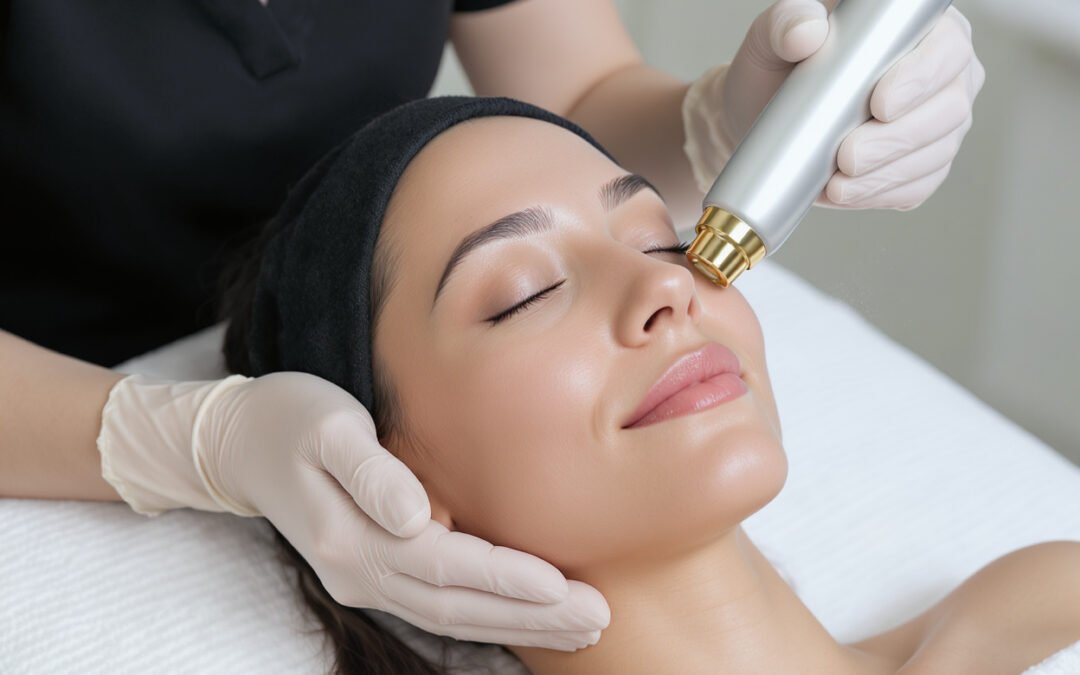
Oxytocin, often known as the “love hormone,” is predominantly recognized for its role in social bonding, childbirth, and lactation. However, recent studies have illuminated its potential benefits in skin care and anti-aging. 💖 Known for its soothing effects, this hormone is gradually gaining attention in the beauty and wellness industry. In this article, we explore how oxytocin can enhance your skin care regimen and contribute to a youthful appearance.
The Science Behind Oxytocin
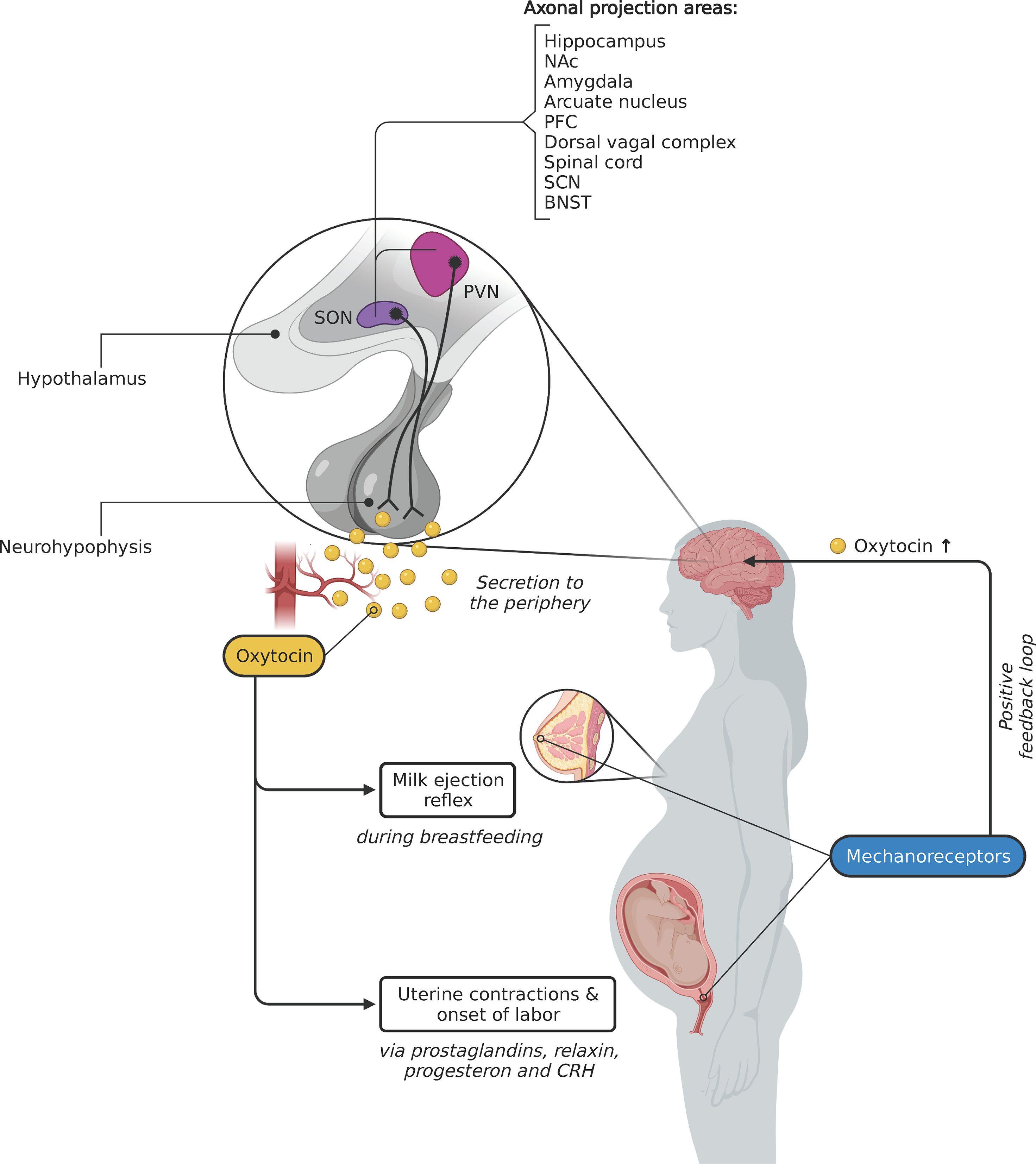
Oxytocin is a peptide hormone produced in the hypothalamus and secreted by the pituitary gland. It functions as both a hormone and a neurotransmitter. While its primary role involves facilitating childbirth and breastfeeding, oxytocin also has an impact on our emotional well-being. Its ability to reduce stress and promote relaxation plays a vital part in maintaining healthy, glowing skin.
Oxytocin and Skin Care
The connection between oxytocin and skin health is rooted in the hormone’s stress-reducing properties. Stress is a known catalyst for various skin issues including acne, eczema, and premature aging. By reducing cortisol levels, oxytocin may help in minimizing these adverse effects, leading to healthier skin. 🌟
Anti-Aging Potential of Oxytocin
Oxytocin has shown promising potential in the realm of anti-aging. By boosting collagen production, this hormone might enhance skin elasticity and reduce the appearance of fine lines and wrinkles. Collagen, a protein that keeps the skin firm and plump, decreases as we age, causing the skin to sag and develop wrinkles. Therefore, incorporating oxytocin into your anti-aging skin care routine might improve your skin’s vitality and youthful glow.
Conclusion
In conclusion, oxytocin offers more than just emotional benefits; it might be a valuable addition to your skin care and anti-aging efforts. As more research shines a light on its benefits, using oxytocin-infused products could become mainstream in fighting stress-related skin issues and aging. As always, consult with a dermatologist before trying new treatments or products.
FAQs About Oxytocin
Q: Can I use oxytocin-infused products if I have sensitive skin?
A: While oxytocin is generally considered safe, it is essential to consult a dermatologist to determine if it’s suitable for your skin type. 🧴
Q: How can I naturally increase oxytocin levels?
A: Engaging in regular social interactions, exercising, and practicing activities like meditation and yoga can help boost your oxytocin levels.
Q: Are there side effects to using oxytocin-based skin care products?
A: Most oxytocin products are safe, but it’s best to conduct a patch test or consult your doctor to avoid any adverse reactions.
FREE SHIPPING
BIG SALE | FAST SHIPPING
HOT PROMOTIONS!





DBOL 50mg TABLETS 50 TABLETS FIERCE
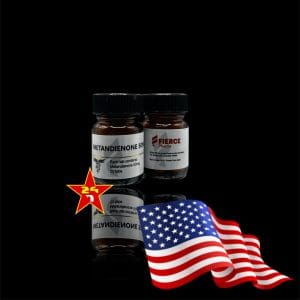
Original price was: $ 110.00.$ 109.00Current price is: $ 109.00.
Oxytocin, often referred to as the “love hormone,” is a peptide hormone and neuropeptide that plays a significant role in social bonding, sexual reproduction, childbirth, and the postpartum period. Produced primarily in the hypothalamus and released by the pituitary gland, oxytocin is integral to maternal behaviors, facilitating childbirth by stimulating uterine contractions and promoting milk ejection during breastfeeding. Beyond its critical physiological roles, oxytocin is also associated with emotional bonding and trust, influencing prosocial behaviors and emotional connections, making it a key player in human relationships and social interactions. Recent research has explored its potential therapeutic applications for conditions like autism and anxiety disorders, although the full scope of its effects on social cognition and emotional regulation continues to be an area of active scientific exploration.