


Pellet Testosterone: A New Approach to Hormone Replacement Therapy

Hormone replacement therapy (HRT) has gained traction in recent years as people seek to balance hormone levels affected by age or medical conditions. Among the various forms of HRT, pellet testosterone therapy stands out due to its convenience and long-lasting effects. In this article, we will explore the ins and outs of pellet testosterone, including its benefits, considerations, and frequently asked questions.
What is Pellet Testosterone Therapy?
Pellet testosterone therapy involves the insertion of small, rice-sized pellets under the skin, typically in the buttocks or hip area. These pellets release a steady, bioidentical form of testosterone into the bloodstream over an extended period, typically three to six months. Unlike other testosterone replacement therapies that require daily or weekly administration, pellet testosterone offers a more consistent and maintenance-free option.
Benefits of Pellet Testosterone
Pellet testosterone therapy provides numerous benefits for individuals with testosterone deficiency:
-
- Sustained Hormone Levels: Unlike injections or topical gels, pellet testosterone delivers hormones consistently, preventing fluctuations that can lead to mood swings or energy slumps.
-
- Convenience: With pellet insertion needed only a few times a year, patients enjoy a worry-free experience without remembering daily supplements or weekly injections.
-
- Improved Libido and Mood: Many patients report enhanced sexual desire and an uplifted mood, making it easier to engage in daily activities and maintain relationships.
-
- Increased Bone Density and Muscle Mass: By maintaining optimal testosterone levels, patients often experience improvements in muscle strength and bone health, which are crucial as one ages.
Who Should Consider Pellet Testosterone?
Pellet testosterone therapy is typically recommended for individuals experiencing symptoms of low testosterone, such as fatigue, low libido, and decreased muscle mass. It is essential to consult with a healthcare provider to determine deficiencies through blood tests and discuss the best treatment plan tailored to individual needs.
BIG SALE | FAST SHIPPING
HOT PROMOTIONS!
FIERCE CLOMID 50MG 50CAPS
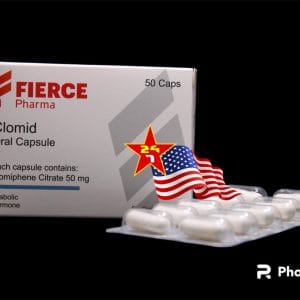
Original price was: $ 129.00.$ 119.00Current price is: $ 119.00.
CLOMID 50MG FIERCE 50 TABLETS
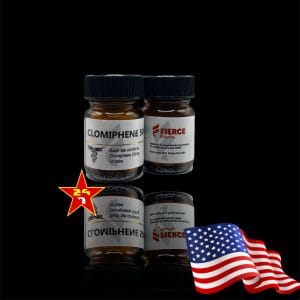
Original price was: $ 129.00.$ 119.00Current price is: $ 119.00.

CLOMIPHENE TABLETS 50mg 50 TABLETS FIERCE
Original price was: $ 99.00.$ 89.00Current price is: $ 89.00.
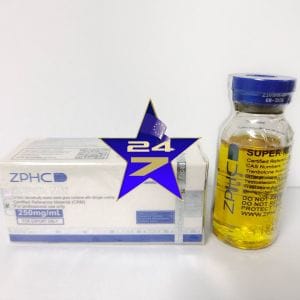
ZPHC UltraMix 1ml amps x 10 amps - 1ml = 250mg
Original price was: $ 259.00.$ 179.00Current price is: $ 179.00.
Considerations and Risks
Though pellet testosterone therapy is generally safe, it is not without its considerations:
-
- Infection and Discomfort: As with any minor surgical procedure, there is a risk of infection or pain at the site of insertion, though these are relatively uncommon with proper aftercare.
-
- Dose Adjustments: Finding the correct dosage might require adjustments, particularly after the first few insertions.
-
- Potential Side Effects: Some individuals might notice acne, sleep disturbances, or hair changes. Monitoring and regular check-ups with a healthcare provider are crucial.
Conclusion
Pellet testosterone therapy can be an effective solution for those suffering from the symptoms of low testosterone levels. With its convenience and ability to provide consistent hormonal balance, this therapy offers patients a path to a more energetic and fulfilling life.
FAQs
What is the procedure for inserting pellet testosterone?
The process is quick and performed in a healthcare provider’s office. After numbing the area, a small incision is made, and the pellet is inserted using a special tool. The incision is then closed with tape or bandages.
Is pellet testosterone suitable for both men and women?
Yes, pellet testosterone therapy can be used by both men and women who are experiencing hormone deficiencies. However, needs and dosages will vary, so it’s essential to consult with a healthcare professional.
How long do the effects of pellet testosterone last?
Typically, the effects last between three to six months. Regular follow-ups are recommended to assess hormone levels and adjust treatment as necessary.
Are there any restrictions post-procedure?
Patients should avoid strenuous activities and submerging the insertion site in water for a few days post-procedure to allow proper healing.
For more detailed information on pellet hormones and testosterone therapy, visit Hormone Health Network and learn about hormone therapies with MedlinePlus.
Pellet testosterone is a form of hormone replacement therapy where small pellets, typically containing bioidentical testosterone, are implanted under the skin, often in the hip or buttock area. These pellets are designed to release a consistent and steady dose of testosterone over a period of several months, usually between three to six months. This method is sought after for its convenience, as it eliminates the need for daily or weekly administrations typically associated with other forms of testosterone therapy, such as injections, gels, or patches. Pellet testosterone therapy is often used to treat symptoms of low testosterone in men, such as fatigue, decreased libido, and muscle loss, and can also be used for women under certain conditions. However, as with any medical treatment, it is important for individuals to consult with a healthcare provider to determine the appropriateness of pellet therapy based on personal health needs and to be aware of potential side effects, such as infection at the insertion site or fluctuations in hormone levels.