Perfect Angle: Maximum Gains with Incline Bench Press Variations
TABLE OF CONTENTS

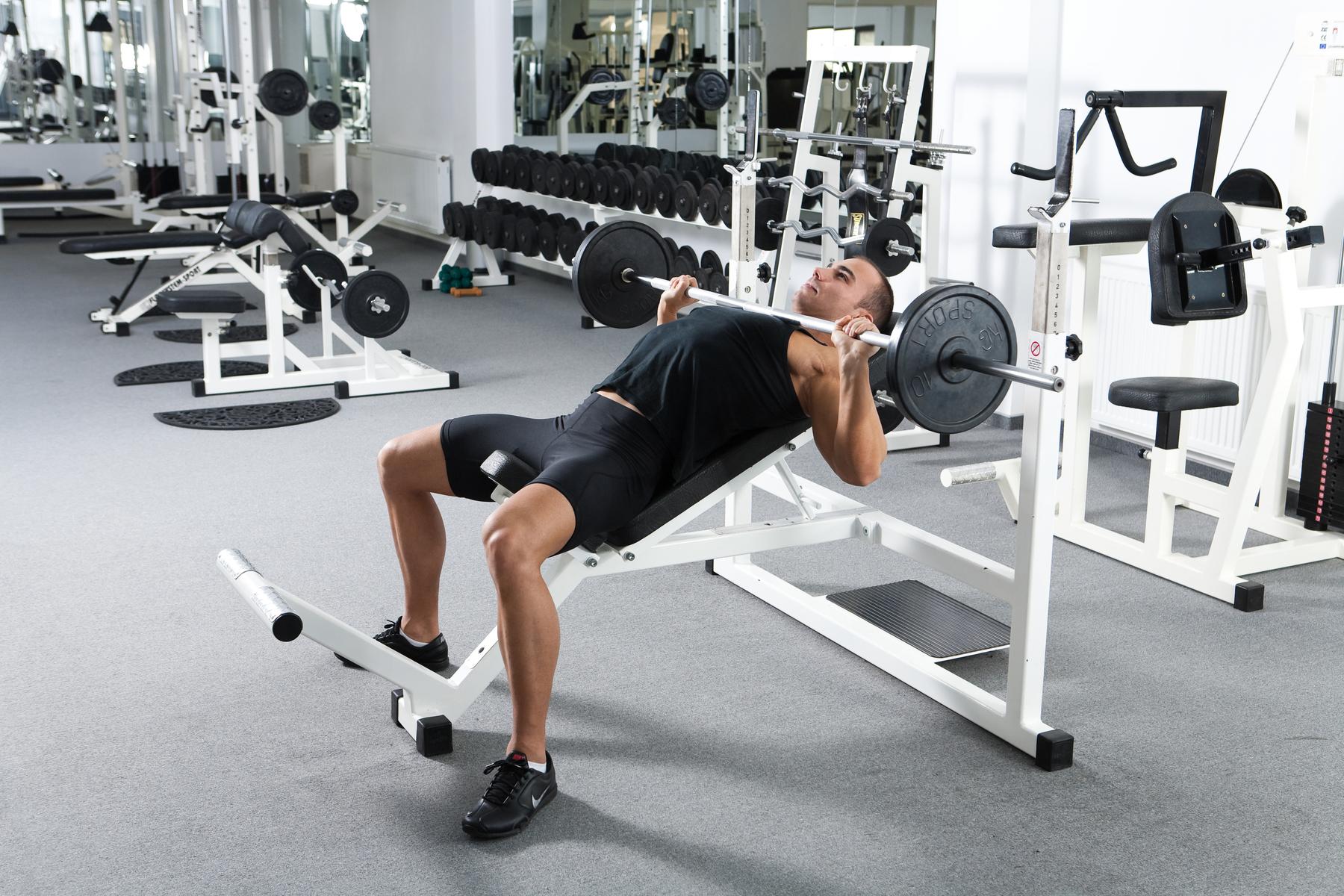
An effective workout regimen often incorporates a variety of exercises to target different muscle groups and prevent routine monotony. The incline bench press is one such exercise that enhances the upper body strength by focusing primarily on the upper pectoral muscles. The uniqueness of this exercise lies in its adaptability, as varying the incline bench press angle can significantly alter the muscle engagement and the intensity of the workout.
Understanding Incline Bench Press Angles
The angle of the bench during an incline bench press is crucial because it determines which part of the chest muscles are predominantly worked. A typical flat bench press works the lower and middle chest, while increasing the incline targets the upper chest muscles more intensely. Most gym benches allow adjustments ranging from 15 to 75 degrees. Each notch offers unique benefits, making it worthwhile to alter the angle with regularity.
The Basic 30-Degree Angle
The 30-degree incline is one of the most commonly used angles for the incline bench press. It strikes a balance by distributing the workload across the upper and middle chest, which is ideal for those looking to build mass and strength simultaneously. Moreover, this angle minimizes stress on the shoulder joints, making it a safe choice for beginners.
The Challenging 45-Degree Angle
For athletes wanting to focus more specifically on the upper chest, a 45-degree incline bench press offers an elevated challenge. This angle provides greater isolation of the upper pectoral muscles, which can be beneficial for those aiming to achieve a chiseled and defined physique. However, this angle also places more pressure on the shoulders, urging caution during heavy lifts.
The Steep 60-Degree Angle
A 60-degree incline turns the exercise into a hybrid between a chest and a shoulder workout. By further elevating the bench, the deltoids come into play more significantly, providing a rigorous workout for both chest and shoulder muscles. This angle is less common, but can be beneficial for those looking to add variety and push limits in their training.
The Impact of Varying Angles in Training
Incorporating different incline bench press angles into a workout plan ensures balanced muscle development and reduces the risk of overtraining any specific muscle group. By changing the angle, lifters can hit muscle fibers from different directions and stimulate growth in parts of the muscle that can often be neglected.
In practice, rotating through different incline angles not only enhances physical development but also keeps workouts interesting and challenging. It’s a practice endorsed by fitness experts, acknowledging that muscle confusion can lead to better results.
Conclusion
Exploring various incline bench press angles can greatly enhance your training regimen. By adjusting the bench between 15 and 75 degrees, you ensure a holistic chest workout with added benefits to the shoulders and back. Remember to maintain proper form and gradually increase weights to reduce injury risk.
FAQs
What incline angle is best for beginners?
For beginners, a 30-degree incline is generally recommended. It effectively combines upper and middle chest activation with less strain on the shoulders.
Can varying the angle cause injury?
While varying the angle is beneficial, improper form and excessive weight can lead to injuries. It’s crucial to ensure correct posture and controlled lifting.
How often should I change the incline bench press angle?
Changing the angle every few workouts can prevent plateau and stimulate different muscle growth, but it’s also important to adapt to your personal fitness goals and comfort level.
For more insights and detailed guides on maximizing your workout regime, check out this comprehensive guide on chest workouts.
BIG SALE | FAST SHIPPING
HOT PROMOTIONS!


FIERCE CLOMID 50MG 50CAPS

Original price was: $ 129.00.$ 119.00Current price is: $ 119.00.



Fierce nandrolone decanoate 300 / ml 10ml

Original price was: $ 131.00.$ 119.00Current price is: $ 119.00.


The incline bench press is a popular variation of the traditional bench press that targets the upper portion of the pectoral muscles. By adjusting the angle of the bench to around 15 to 45 degrees, the incline bench press shifts the focus from the middle and lower pectorals to the upper chest, anterior deltoids, and triceps, providing a more comprehensive upper body workout. The degree of incline plays a significant role in muscle activation; a steeper incline around 30 to 45 degrees places greater emphasis on the shoulders and upper chest, whereas a lower incline closer to 15 to 30 degrees can still engage the upper chest while distributing the workload more evenly across the chest muscles. Choosing the optimal angle depends on individual fitness goals, flexibility, shoulder health, and overall training objectives, making it essential to experiment with different angles to find the most effective and comfortable position for personal strength development.