

Phosphocreatine: The Hero of Athletic Performance Enhancement

Phosphocreatine plays a critical role in the energy metabolism of muscle cells, acting as a rapidly mobilizable reserve of high-energy phosphates in the body. This article explores the function, significance, and applications of phosphocreatine in both everyday life and athletic settings.
What is Phosphocreatine?
Phosphocreatine is a phosphorylated creatine molecule, primarily found in muscle tissues. This compound aids in the quick regeneration of adenosine triphosphate (ATP), which is the primary energy currency within cells. During high-energy demand situations, such as intense physical activities, the body relies on the phosphocreatine system to fuel muscle contractions.
The Biochemical Role of Phosphocreatine
At the biochemical level, phosphocreatine acts as a buffer to maintain ATP levels. When muscles contract, ATP breaks down into adenosine diphosphate (ADP) and an inorganic phosphate, releasing energy to fuel muscle work. Phosphocreatine donates a phosphate group to ADP, converting it back to ATP quickly. This rapid regeneration is crucial for sustaining muscle performance during short bursts of exertion.
Importance of Phosphocreatine in Sports and Exercise
Athletes and fitness enthusiasts recognize the importance of phosphocreatine in enhancing performance. Activities that require quick bursts of energy, such as sprinting, weightlifting, and certain team sports, heavily depend on the phosphocreatine energy pathway. As an energy source, phosphocreatine supports the initial phase of high-intensity exercise, allowing athletes to push beyond their usual limits.
Phosphocreatine and Its Limitations
Despite its essential role, phosphocreatine stores in muscle cells are limited. These reserves deplete rapidly during intense exercise, typically within 10-15 seconds. The body must then rely on slower, aerobic metabolic processes for continued activity. For this reason, phosphocreatine is considered a temporary yet vital energy solution rather than a sustained energy provider.
Supplementation and Phosphocreatine
To maximize their performance, some athletes consider creatine supplementation to increase phosphocreatine stores in muscles. Studies have shown that creatine supplementation can improve strength, power, and muscle mass in conjunction with resistance training. It’s important to consult healthcare professionals before starting any supplementation to ensure safety and efficacy.
Conclusion
Phosphocreatine is a pivotal component of the body’s energy system, particularly significant for activities that demand immediate power output. Although it provides a temporary energy boost, the potential benefits for athletic performance are notable. Understanding how it functions can help individuals make informed decisions about their fitness and energy management strategies.
FAQs
What is phosphocreatine’s primary function?
Phosphocreatine’s main role is to rapidly regenerate ATP, providing energy for short, intense activities.
How long does phosphocreatine energy last?
Phosphocreatine energy lasts for about 10-15 seconds during high-intensity activities before stores are depleted.
Is phosphocreatine supplementation safe?
When taken as recommended, creatine supplementation is considered safe for most people. However, it’s best to consult with a healthcare provider before starting any supplement regimen.
BIG SALE | FAST SHIPPING
HOT PROMOTIONS!
Fierce nandrolone decanoate 300 / ml 10ml

Original price was: $ 131.00.$ 119.00Current price is: $ 119.00.

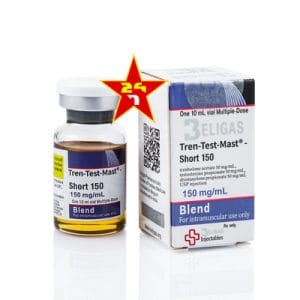
Beligas 10ml Vial Testosterone NPP Blend 150mg

Original price was: $ 119.00.$ 99.00Current price is: $ 99.00.
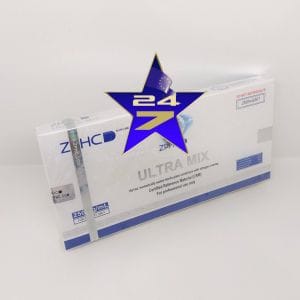
ZPHC UltraMix 1ml amps x 10 amps - 1ml = 250mg
Original price was: $ 259.00.$ 179.00Current price is: $ 179.00.

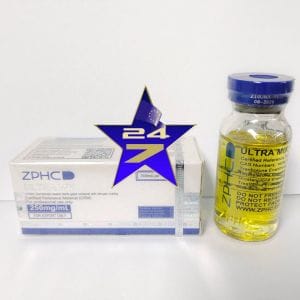
ZPHC UltraMix 10ml MultiUse Vial 1ml = 250mg
Original price was: $ 255.00.$ 179.00Current price is: $ 179.00.
For more detailed insights on creatine and athletic performance, you can visit Healthline’s Guide to Creatine or explore the Mayo Clinic’s Information on Creatine.
Phosphocreatine, also known as creatine phosphate, is a phosphorylated creatine molecule that plays a crucial role in the energy systems of muscle cells, particularly during short bursts of high-intensity physical activity. It serves as a rapidly mobilizable reserve of high-energy phosphates in skeletal muscle and the brain to recycle adenosine triphosphate (ATP), the primary energy currency of the cell. When muscles contract during intense exercise, ATP levels are rapidly depleted; however, phosphocreatine donates a phosphate group to adenosine diphosphate (ADP) to quickly regenerate ATP, thus supporting continued muscular activity. This system provides an immediate but short-lived energy boost, sustaining muscular work until longer-term energy-producing pathways can take over. Phosphocreatine levels naturally decline with exhaustive exercise, but they can be replenished during periods of rest and through nutritional supplementation, making it a popular ergogenic aid among athletes aiming to enhance performance, strength, and recovery.