
Phospholipids: The Unsung Heroes of Cell Membranes

Understanding Phospholipids: The Building Blocks of Cellular Membranes
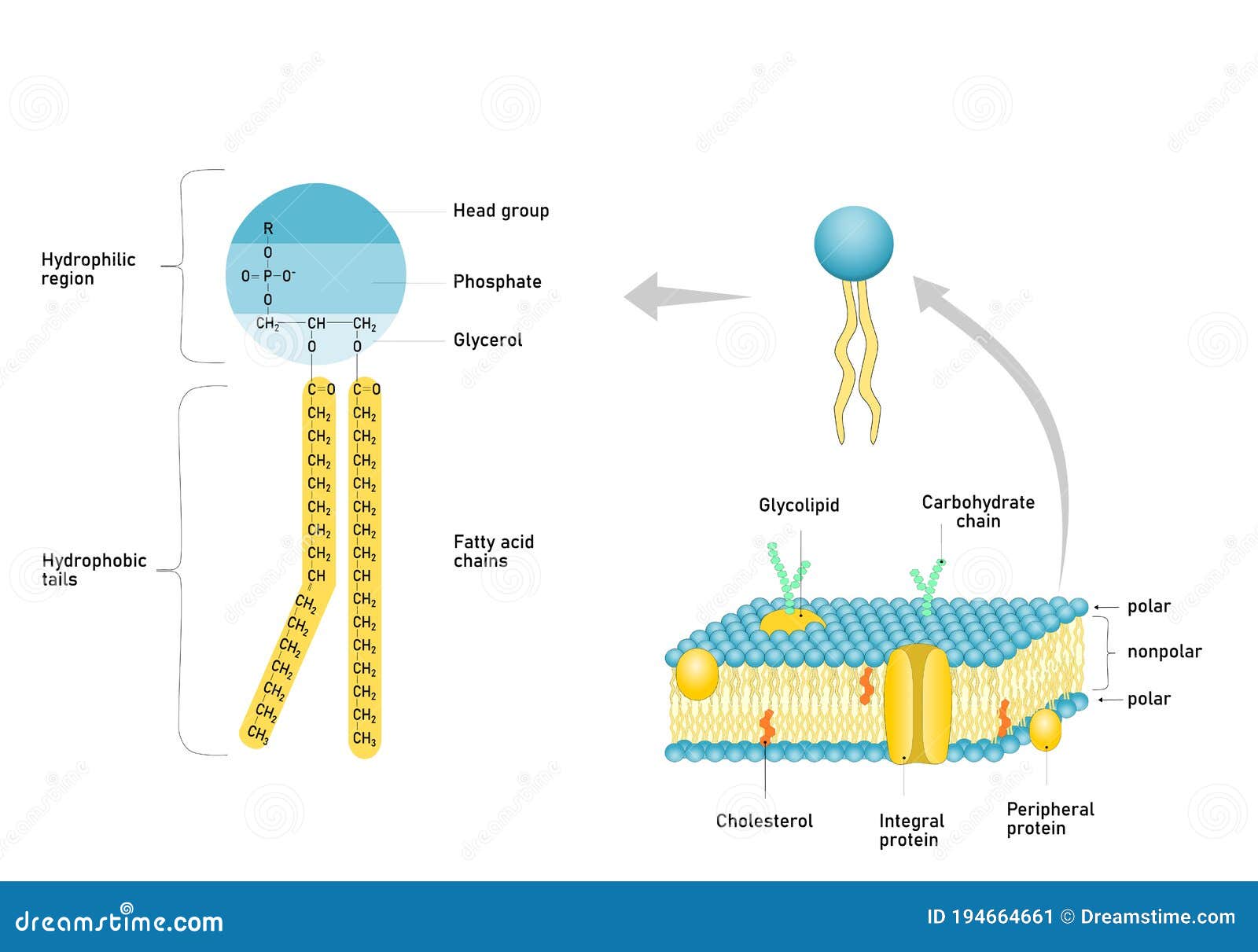
Phospholipids play a pivotal role in the structure and functioning of cellular membranes. These unique molecules are essential components of biological membranes, contributing to their structural integrity and facilitating various cellular processes. Phospholipids are composed of two fatty acid tails and a phosphate group attached to a glycerol backbone. This structure imparts the property of amphipathicity, meaning that they contain both hydrophobic and hydrophilic elements. This characteristic is crucial in forming the bilayer structure inherent to cell membranes, where hydrophobic tails face inward shielded from water, while hydrophilic heads face outward.
Role of Phospholipids in Cell Membranes
In cellular environments, phospholipids’ amphipathic nature leads them to spontaneously arrange into bilayers, forming the fundamental architecture of cell membranes. This basic structure is essential for creating the semipermeable membrane that regulates the movement of substances in and out of cells. Beyond structural roles, these molecules also play a fundamental part in membrane fluidity, impacting how materials are absorbed, distributed, and expelled by cells.
Importance in Signaling and Metabolism
Apart from their structural role, phospholipids are significant in cell signaling and metabolism. Certain types, such as phosphatidylinositol, are precursors to signaling molecules like inositol triphosphate (IP3) and diacylglycerol (DAG), which play vital roles in transmitting chemical signals within and between cells. Furthermore, they are involved in pathways leading to the production of important metabolites, playing a part in lipid biosynthesis and energy storage.
Phospholipids in Nutrition and Health
Dietary intake and health implications of phospholipids are gaining increased attention. These molecules are naturally present in foods like soybeans, eggs, and some fish. Their inclusion in diets is being studied for potential benefits, including improving cognitive functions, reducing inflammation, and promoting cardiovascular health. The potential therapeutic uses arise from their ability to integrate into cell membranes, thereby impacting cellular functions and increasing nutritional lipid absorption.
Conclusion
In conclusion, phospholipids are indispensable in cellular biology, providing structure, facilitating communication, and contributing to metabolic pathways. Their diverse roles highlight their importance in both basic cellular functions and complex biological processes. Further research into their nutritional applications could unlock potential health benefits, emphasizing the significance of these molecules in both medical and nutritional sciences.
FAQs
What are phospholipids made of?
Phospholipids consist of two fatty acid tails attached to a glycerol backbone, which in turn is linked to a phosphate group. This structure imparts both hydrophobic and hydrophilic properties, essential for membrane formation.
How do phospholipids contribute to cell membrane structure?
The amphipathic nature of phospholipids causes them to arrange into bilayers in cellular environments, forming the basic architecture of cell membranes and allowing regulation of substances moving in and out of cells.
Are phospholipids beneficial to health?
Yes, they are potentially beneficial. Phospholipids, when included in the diet, may improve cognitive functions, reduce inflammation, and have cardiovascular benefits. Their ability to integrate into cell membranes enhances their therapeutic potential.
Do phospholipids play a role in cell signaling?
Absolutely. Certain phospholipids are precursors to key signaling molecules, such as IP3 and DAG, which facilitate important communication pathways within cells.
For more detailed insights into phospholipids’ roles and benefits, visit National Center for Biotechnology Information and World Health Organization.
BIG SALE | FAST SHIPPING
HOT PROMOTIONS!




Fierce nandrolone decanoate 300 / ml 10ml

Original price was: $ 131.00.$ 119.00Current price is: $ 119.00.

CLOMIPHENE TABLETS 50mg 50 TABLETS FIERCE

Original price was: $ 99.00.$ 89.00Current price is: $ 89.00.

Phospholipids are essential lipid molecules that play a pivotal role in the structural and functional integrity of cell membranes. Each phospholipid molecule consists of a glycerol backbone linked to two fatty acid tails and a phosphate group, which is often conjugated to additional polar groups. This unique structure gives rise to a hydrophilic (water-attracting) “head” and hydrophobic (water-repelling) “tails,” enabling the formation of the bilayer characteristic of cellular membranes. In this bilayer arrangement, the hydrophobic tails face inward, shielded from water, while the hydrophilic heads face outward, interacting with the aqueous environment inside and outside the cell. Phospholipids contribute to membrane fluidity and flexibility, allowing for dynamic cellular processes such as vesicle formation, cell signaling, and selective permeability, which are essential for maintaining homeostasis. Additionally, they serve as a matrix for integral and peripheral proteins and play a role in signal transduction and membrane fusion, highlighting their importance beyond mere structural components.