Pickles: A Tart Treat with Surprising Health Benefits?
TABLE OF CONTENTS

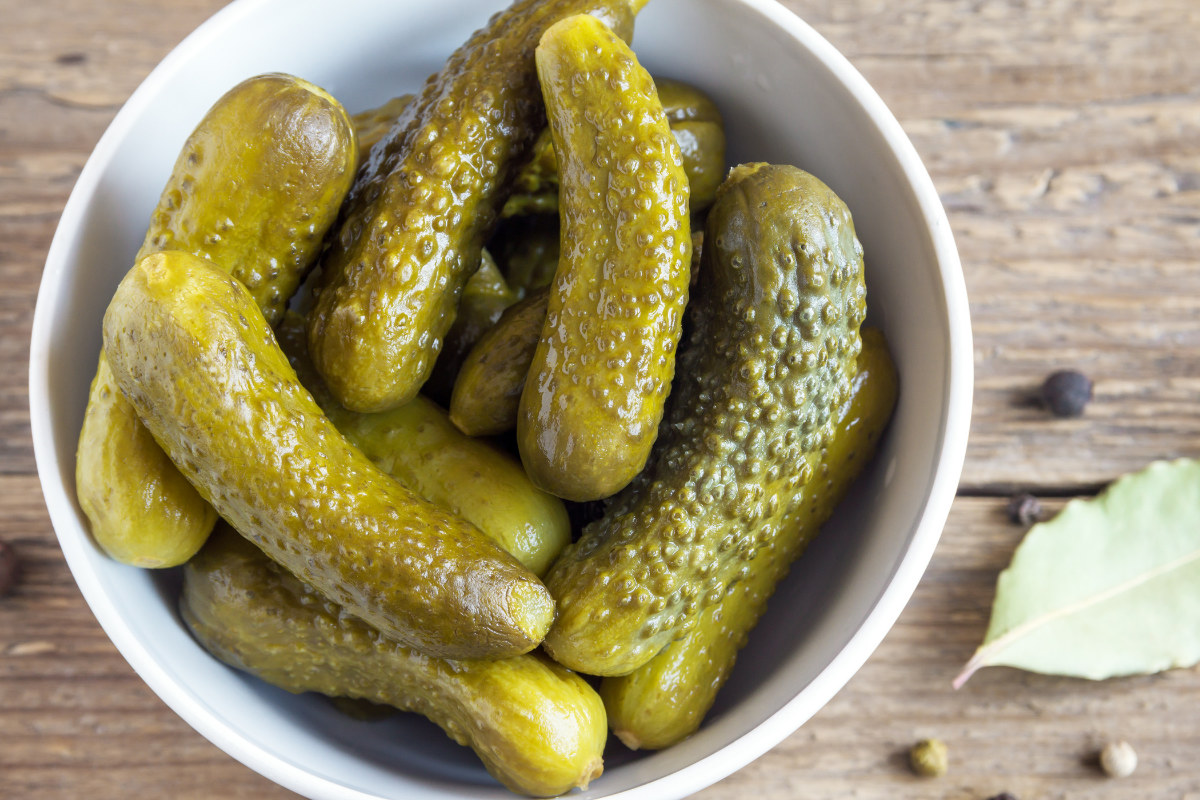
Pickles, those tangy and crunchy delights, serve as a popular accompaniment to many dishes. Yet, beyond their taste, many wonder about their health implications. Are pickles good for you? It’s a question that intertwines with dietary preferences, individual health considerations, and the nutritional properties of pickles themselves.
Nutritional Benefits of Pickles
In addressing the question: are pickles good for you, it’s essential to consider their nutritional content. Pickles primarily consist of cucumbers fermented in a brine solution, which often includes salt, vinegar, and various seasonings. This fermentation process not only imparts flavor but also enriches pickles with probiotics, beneficial bacteria known to support digestive health. Learn more about the benefits of probiotics here.
Additionally, pickles are low in calories, making them an attractive option for those monitoring their calorie intake. They also contain vitamins A and K, as well as minerals like iron, calcium, and magnesium. These nutrients play vital roles in maintaining bone health, blood clotting, and overall metabolic functions.
Are Pickles Good for You? Considerations
While pickles offer nutritional benefits, it’s crucial to acknowledge their high sodium content. The brining process significantly raises their salt levels, which can pose health risks if consumed excessively. High sodium intake is linked to increased blood pressure and other cardiovascular concerns. Therefore, individuals with hypertension or those on sodium-restricted diets should consume pickles sparingly.
Furthermore, the vinegar in pickles, while beneficial for its antimicrobial properties, may lead to digestive discomfort in some individuals if consumed in large quantities. It’s important to listen to one’s own body and balance consumption accordingly.
Culinary Versatility and Cultural Significance
Besides the nutritional aspect, pickles hold a special place in various cuisines around the world. From the kimchi of Korea to India’s achaar, pickles not only enhance flavor but also serve as cultural staples. Their increasing popularity has even led to contemporary variations, such as pickled watermelon rinds or pickled avocados, each bringing unique flavors and nutrients to the table. Explore more about global pickle varieties here.
Conclusion
So, are pickles good for you? In moderation, they can indeed be a healthy addition to your diet due to their low-calorie content and probiotic benefits. However, it’s essential to be mindful of their high sodium levels. Enjoy pickles as part of a balanced diet, taking into account your individual health needs and dietary restrictions.
FAQs
1. Can eating too many pickles be harmful?
Yes, consuming pickles in excess can lead to high sodium intake, which may increase the risk of hypertension and other cardiovascular issues.
2. Are pickles considered probiotics?
Pickles that are naturally fermented (without vinegar) can be considered a source of probiotics, which are beneficial for gut health.
3. Do pickles aid in weight loss?
While pickles are low in calories, aiding in a calorie-controlled diet, their high sodium content should be managed to avoid water retention, which can affect weight considerations.
4. How can I include pickles in my diet responsibly?
Consume pickles in moderation as a side to meals, or incorporate them into salads or sandwiches, and opt for low-sodium varieties whenever possible.
BIG SALE | FAST SHIPPING
HOT PROMOTIONS!
STADA MEGA CUTS BLEND 300 MG 10ML (TRENBOLONE)
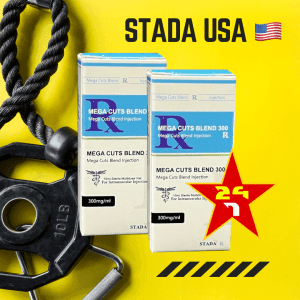
Original price was: $ 129.00.$ 119.00Current price is: $ 119.00.
CYT 3 6MG | T3 | Yohimbe | Clen | Weight Loss Blend | 100 Tablets Total Kit 600mg
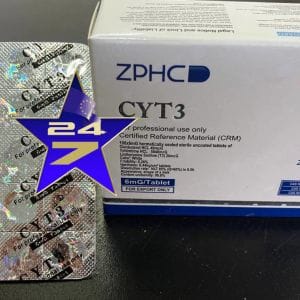
$ 69.00




In conclusion, the question of are pickles good for you encompasses both their health benefits and potential risks. Balancing enjoyment with mindful consumption can help integrate these flavorful foods into a healthy diet.
Pickles, often celebrated for their tangy flavor, can be a beneficial addition to a balanced diet when consumed in moderation. They are made by fermenting cucumbers in a brine solution of water, vinegar, and various spices, which not only enhances their taste but can also offer some health benefits. The fermentation process produces probiotics, which are beneficial bacteria that can improve gut health and aid digestion. Additionally, pickles are low in calories, making them a guilt-free snack option. However, it is important to note that pickles can be high in sodium, which, if consumed excessively, may contribute to elevated blood pressure and other cardiovascular concerns. Therefore, while pickles can be part of a healthy diet, it is vital to enjoy them in moderation and be mindful of their sodium content.