

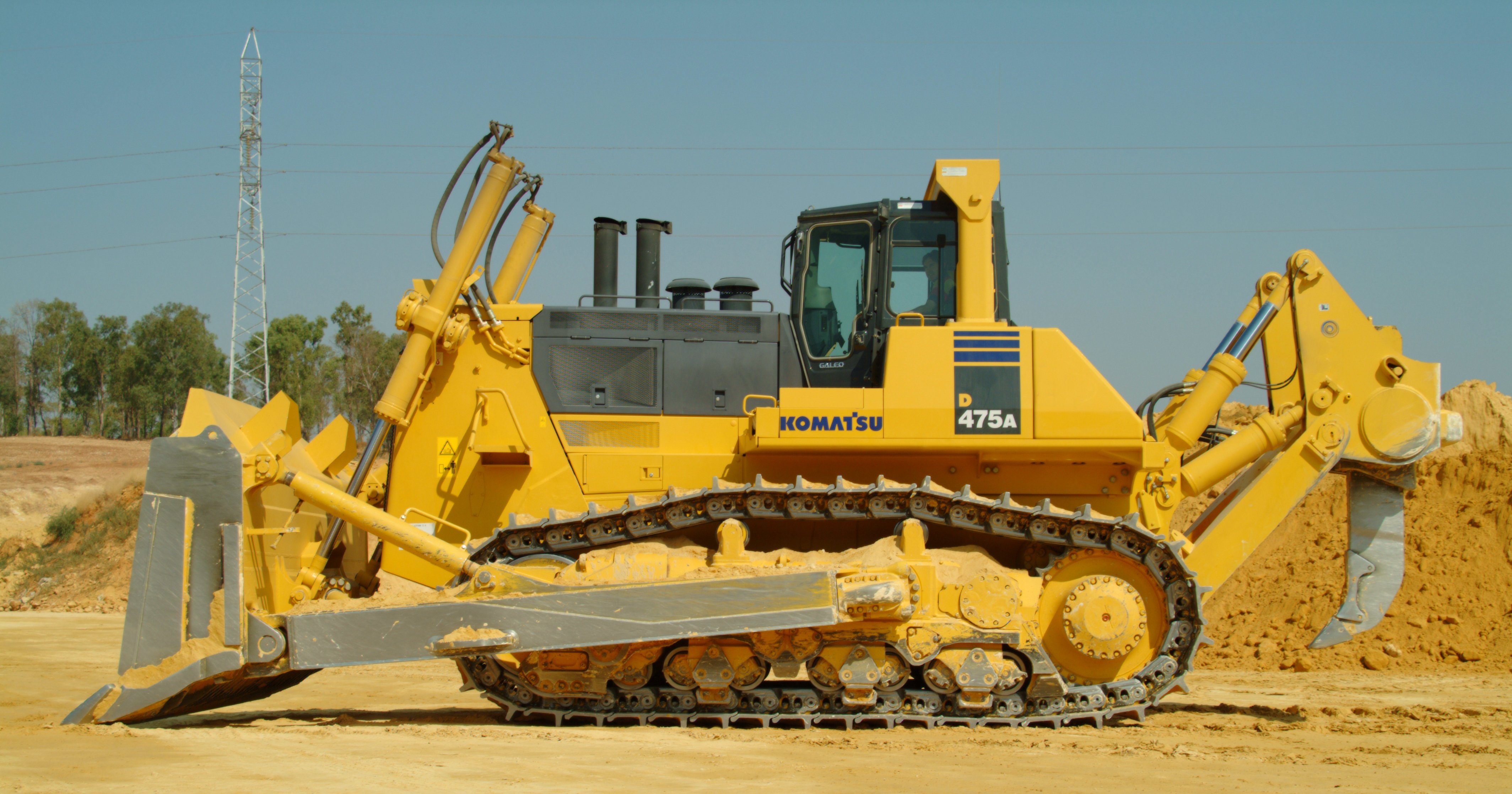
Picture of a bulldozer

Introduction to Bulldozers
The bulldozer is an indispensable piece of heavy machinery that has transformed the landscape of construction projects worldwide. Often recognized for its formidable size and power, a bulldozer is engineered to perform a variety of tasks, from clearing land to moving earth and materials. While its primary function is for heavy-duty tasks, the design and capabilities of a bulldozer have evolved over the years, making it a versatile tool in both commercial and residential construction ventures. 🌍
Functionality and Design of a Bulldozer
The bulldozer’s key elements include a powerful engine, tracks for stability, and a large metal plate at the front, commonly referred to as a blade. This blade allows the machine to push large quantities of soil, sand, rubble, or other such material during construction or conversion work. The different types of blades (straight, U-shape, and angle) expand the versatility of a bulldozer, enabling it to adapt to various tasks and terrains. 🚜
BIG SALE | FAST SHIPPING
HOT PROMOTIONS!






CROWX 👑 CLOMIROW 50 Mg / 50 Tabs ( Clomid )

Original price was: $ 79.00.$ 69.00Current price is: $ 69.00.



The Importance of Bulldozers in Construction Projects
Utilizing a bulldozer in construction projects accelerates the process of site preparation. Whether it’s leveling earth, removing obstructions, or creating new paths, the use of a bulldozer significantly reduces the manual labor required, leading to time efficiency and cost savings. As cities expand and new infrastructures are built, the demand for bulldozers continues to surge, highlighting their crucial role in development and progress.🏗️
Different Types of Bulldozers
There are several variants of bulldozers suited to different tasks and environments. Crawler bulldozers, for example, are ideal for rough and uneven terrains, while wheel bulldozers offer quicker mobility on solid ground. Additionally, mini bulldozers provide an excellent choice for smaller, residential projects where space is limited. These variations allow for targeted and precise work, affirming the bulldozer’s adaptability in various construction scenarios.
Conclusion
The picture of a bulldozer in action captures the essence of power and efficiency required in modern construction efforts. Beyond mere machinery, the bulldozer represents the convergence of engineering ingenuity and practicality, transforming how we build and shape our world. As technology advances, we can anticipate further innovations in bulldozer design, enhancing their current capabilities and applications in the construction industry.
FAQs
- What is the primary function of a bulldozer? The primary function of a bulldozer is to push large quantities of soil, sand, rubble, or other materials during construction or conversion work.
- How does a bulldozer contribute to construction efficiency? A bulldozer contributes to construction efficiency by reducing the amount of manual labor needed, thus saving time and costs associated with site preparation and material removal.
- What distinguishes a crawler bulldozer from a wheel bulldozer? Crawler bulldozers are suited for rough, uneven terrain, while wheel bulldozers are better for solid ground, offering quicker mobility.
Stay Motivated and Fit
Aside from construction, maintaining motivation and achieving your #Bodybuilding goals requires effort and dedication. Utilize bulldozer-like determination in your #Workoutathome routine. Stay strong, stay focused, and #stayfit! 💪
A picture of a bulldozer typically captures the robust essence of this powerful machine, showcasing its immense capability to transform landscapes with ease. The steel giant, often painted in vibrant hues of yellow or orange, stands as a testament to human ingenuity in engineering, designed for heavy duty tasks like pushing, digging, and leveling earth. Its large, intimidating blade at the front and the sturdy tracks it rests upon underline its purpose: to maneuver across rough terrains and reshape them into functional spaces for construction or agriculture. With a cabin fortified against dust and noise, this image not only reflects its strength but also the precision and control offered to the operator. In essence, a picture of a bulldozer is a snapshot of industrial might, symbolizing the human quest to mold the earth while emphasizing resilience and efficiency in large-scale projects.