Pituitary Growth Hormone
TABLE OF CONTENTS

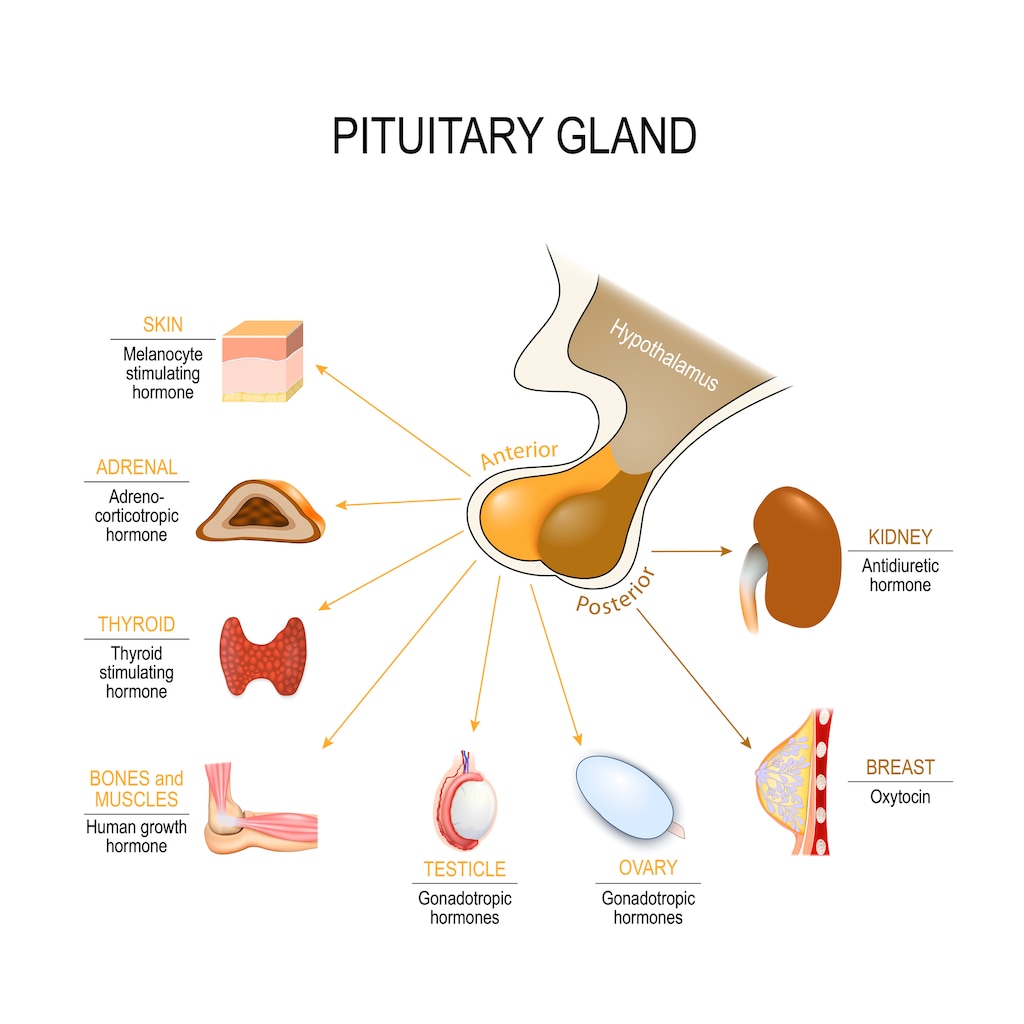
The Pituitary Growth Hormone, often referred to as human growth hormone (HGH), plays a vital role in regulating growth, metabolism, and body composition. It is naturally produced by the pituitary gland, a small organ located at the base of the brain. This hormone is essential for both physical growth in children and maintaining various physiological functions in adults.
What Does Pituitary Growth Hormone Do?
The primary function of Pituitary Growth Hormone is to stimulate growth and cell reproduction. It increases height during childhood and adolescence by promoting the growth of bone and cartilage. Besides growth, it is crucial for the regulation of body fluids, muscle and bone growth, sugar and fat metabolism, and possibly heart function.
How is Pituitary Growth Hormone Regulated?
The production and release of Pituitary Growth Hormone are controlled by a complex set of hormones secreted by the hypothalamus and the intestinal tract, as well as specific rhythms which make it pulse throughout the day. Levels peak during sleep and physical exercise, underscoring the importance of a healthy lifestyle.
Disorders Related to Pituitary Growth Hormone
Abnormal levels of Pituitary Growth Hormone can lead to conditions such as short stature and growth deficiency in children, and muscle weakness, increased body fat, and fatigue in adults. Conversely, excessive production may cause acromegaly, a condition characterized by abnormal growth due to prolonged excess.
Treatment Options
Treatment for insufficient Pituitary Growth Hormone production often includes synthetic hormone injections. For those experiencing symptoms of deficiency, such treatment can lead to improved growth and physical health. However, usage for anti-aging or performance enhancement remains controversial and should always be medically supervised.
Conclusion
The Pituitary Growth Hormone is a powerful influence on growth and overall health. Understanding its functions and how it operates can illuminate its potential health benefits and the adverse effects of its imbalances. Advances in medical science continue to explore new applications while ensuring safe and ethical treatment practices.
FAQs
What is the main role of Pituitary Growth Hormone?
Its main role is to promote growth, particularly in children, and to regulate body composition and metabolism in adults.
Can adults benefit from growth hormone therapy?
Adults with deficiencies may benefit from regulated treatments, but it should be administered under careful medical supervision.
What are the risks of excessive Pituitary Growth Hormone?
Excessive levels can lead to conditions like acromegaly, characterized by abnormal enlargement of bones and tissues.
FREE SHIPPING
BIG SALE | FAST SHIPPING
HOT PROMOTIONS!




STADA DHB DIHYDROBOLDENONE 100MG 10 ML

Original price was: $ 219.00.$ 109.00Current price is: $ 109.00.



#peptides #skincare #antiaging #b #skin #beauty #collagen #wellness #weightloss #sermorelin #ghrp #stayfit #bodybuilding #injections #hcg #skincareroutine #hcgphase #hcgdiet #hcginjections #doral #hcgplus #hcgworks #miami #hcgpellets #hcgdrops #hcgusers #hcgcommunity #hcgresults #miamibeach #hcgprotocol #hcgchica #alastinskincare
Pituitary Growth Hormone, also known as human growth hormone (HGH), is a critical peptide hormone produced by the anterior pituitary gland. It plays a significant role in stimulating growth, cell reproduction, and regeneration in the human body. HGH influences height, muscle and bone growth, and helps regulate body composition, body fluids, and metabolism. In children and adolescents, it is essential for normal growth and development, while in adults, it aids in maintaining muscle mass, bone density, and proper body structure. Imbalances in growth hormone levels, whether due to deficiency or excess, can lead to growth disorders such as dwarfism or gigantism, respectively. Advances in biotechnology have allowed the production of synthetic HGH, which is used in various therapeutic treatments for growth hormone deficiencies as well as certain performance-enhancement scenarios, albeit with ethical and health considerations.