Posts

Decoding DHB: A Potent Anabolic Steroid in Bodybuilding Circles

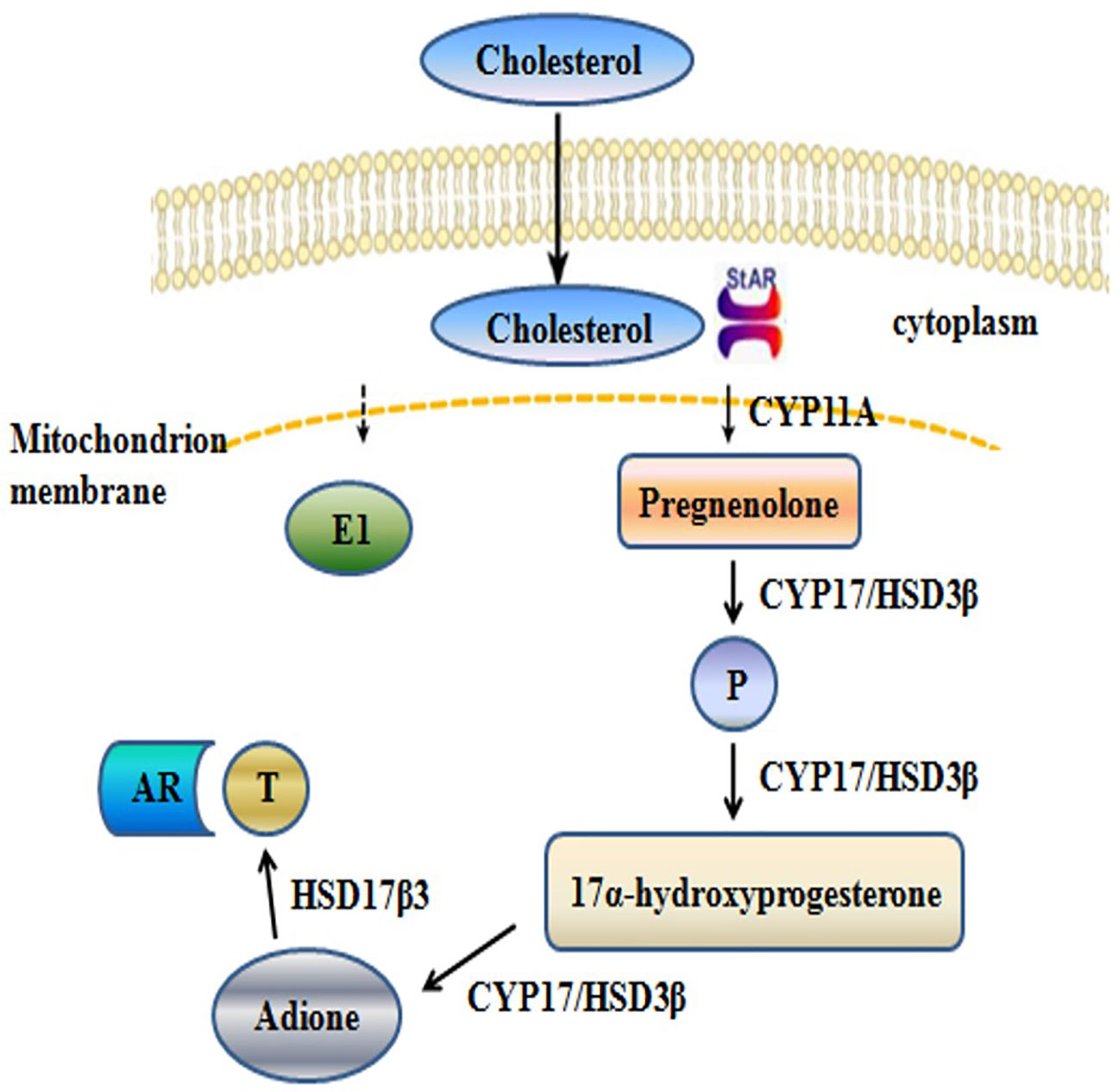
DHB, or dihydroboldenone, is a potent anabolic steroid derived from the steroid boldenone, known as 1-testosterone. It is favored by bodybuilders for promoting muscle growth and strength with fewer estrogenic side effects. Its anabolic-to-androgenic ratio surpasses testosterone, minimizing androgenic effects like hair loss. However, DHB poses risks such as liver toxicity and legal issues, varying by region. Users must weigh benefits against potential health risks and legal consequences before use.

Behind Closed Doors: Uncovering the World of UGL Steroid Labs

UGL steroid labs operate without regulatory oversight, producing anabolic steroids for users seeking performance enhancement. These labs provide drugs at lower costs and greater accessibility than legal alternatives but present substantial risks. The lack of stringent quality control can lead to inconsistent dosing and contamination, posing health hazards. The legal implications of using these unregulated substances are severe, with potential criminal charges for possession or distribution. Despite their affordability, the associated risks necessitate careful consideration and skepticism from users.

The Secrets: How Peptide Hormones Regulate Our Bodies

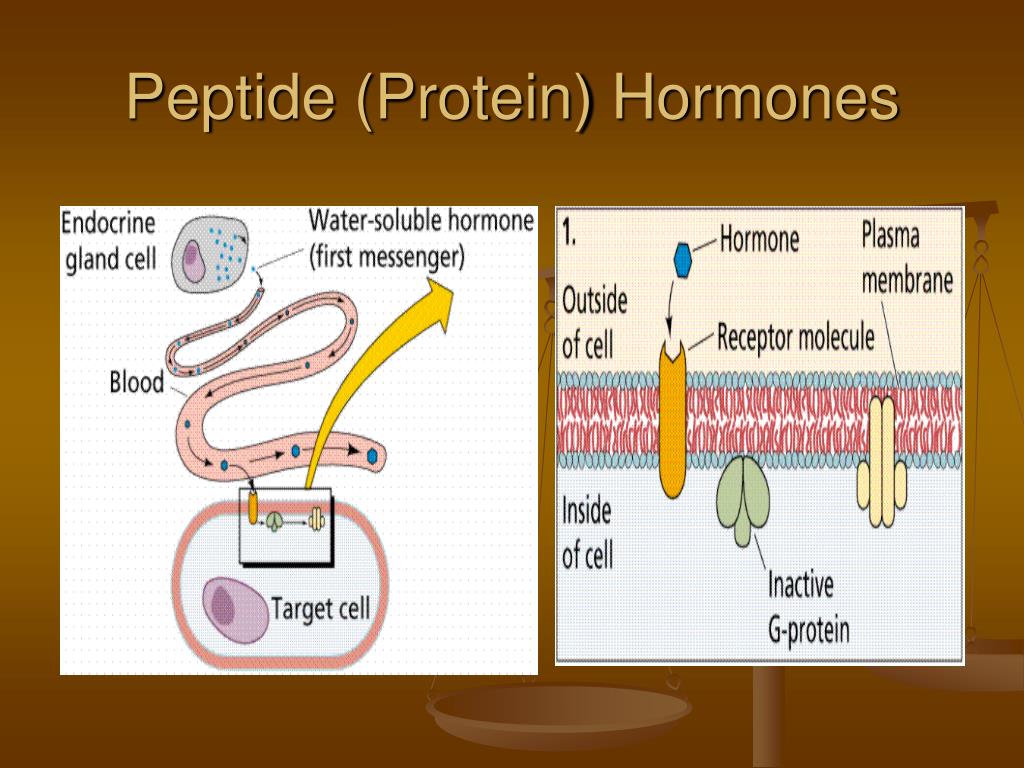
Peptide hormones are chains of amino acids that act as signaling molecules, crucial for various physiological functions like metabolism, growth, and stress responses. Produced by glands such as the pituitary, they bind to specific receptors on target cells, triggering intracellular events. Examples include insulin and glucagon, vital for homeostasis.

HGH in Maximizing Workout Results: Before or After Training?

Human Growth Hormone (HGH) is crucial for growth, body composition, and metabolism, appealing in sports for enhancing performance and recovery. Produced by the pituitary gland, it regulates growth and metabolism. Before training, some use HGH for energy and recovery, but caution is necessary due to side effects and legality issues. Post-training, it aids muscle repair and regeneration, with natural methods preferred for managing hormone levels.

THGH in Maximizing Workout Results: Before or After Training?

Human Growth Hormone (HGH) plays a crucial role in physical development and metabolism. Before training, HGH supplementation may enhance muscle growth and boost energy, but should be used cautiously and under medical supervision due to potential side effects like joint pain. During training, natural HGH production is stimulated, optimizing muscle and fat metabolism. Post-training, nutrition and rest support HGH release, aiding recovery. Thus, managing HGH levels is essential for achieving fitness goals.

How Peptide Therapy is Revolutionizing Healthcare

In recent years, peptide therapy has emerged as a promising approach in medical treatment, utilizing naturally occurring biological molecules to target specific bodily functions. Peptides, short chains of amino acids, play vital roles in processes like hormone regulation and tissue repair. This therapy holds potential across endocrinology, neurology, and more, by using synthetic peptides to enhance or mimic natural actions. Peptide therapy is valuable in fields like dermatology for skin regeneration, and for athletes seeking muscle recovery. Benefits include targeted action with minimal side effects, offering hope for complex health conditions.

Top 3 Cutting Steroids in the USA Revealed

When considering top cutting steroids in the USA, Anavar, Winstrol, and Trenbolone are frequently highlighted for their distinct benefits. Anavar is acclaimed for preserving lean muscle while shedding fat, favored by both men and women for its mild nature. Winstrol boosts speed, agility, and endurance, aiding in a toned appearance. Trenbolone is known for enhancing muscle hardness and reducing fat. Despite their benefits, these substances should be used cautiously due to potential legal and health risks.

Insulin: Techniques for Musclebuilding in Bodybuilding

Insulin is crucial in bodybuilding for enhancing muscle growth and recovery by aiding glucose and amino acid uptake into muscle cells. This supports glycogen storage and protein synthesis, key for muscle repair. Though some bodybuilders adjust insulin levels through diet, such as post-workout carbs, injecting insulin is controversial and risky, posing health and ethical concerns.

B7 33 Peptide: A Breakthrough in Cardiovascular Treatment?

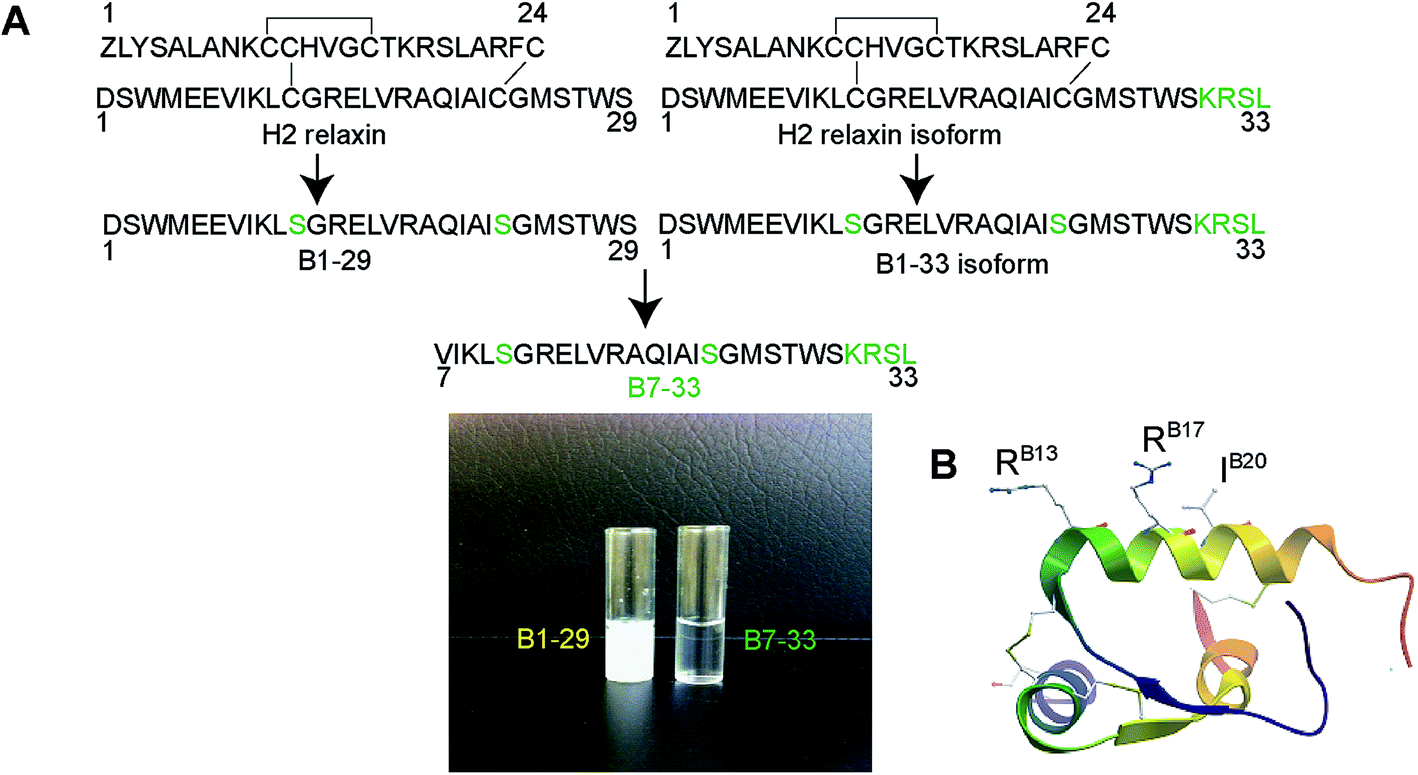
The world of biomedicine is continually advancing, with the B7 33 peptide garnering attention for its therapeutic potential. Recognized for its cardioprotective and anti-fibrotic properties, B7 33 is derived from the human CD28 protein and acts as an agonist for specific receptors. Its promising applications include reducing fibrosis and protecting heart health, although challenges such as optimizing delivery and understanding pharmacodynamics remain.

Decapeptide-12: The Revolutionary Ingredient

Decapeptide-12 is a synthetic peptide developed for dermatological use, particularly targeting skin lightening and hyperpigmentation. It works by inhibiting tyrosinase, an enzyme involved in melanin production, which leads to a more even skin tone and fewer dark spots. This makes it a sought-after ingredient for brighter complexion products, valued for its focused action and minimal side effects compared to harsher chemicals. Proper formulation and concentration are vital, highlighting the need for professional advice when incorporating it into skincare routines.

Tesofensine 500mcg: A Breakthrough in Weight Loss Treatment?

Tesofensine is a pharmaceutical compound initially developed for neurodegenerative diseases like Parkinson’s. It was found to suppress appetite and promote weight loss. As a serotonin-noradrenaline-dopamine reuptake inhibitor (SNDRI), Tesofensine enhances neurotransmitter activity, offering potential in obesity management. Clinical studies show that a 500 mcg dose effectively reduces body weight in obese patients, but careful monitoring is needed due to possible side effects like increased heart rate.

Ta1 Peptide: A New Frontier in Immune System Modulation

The Ta1 peptide, also known as Thymosin Alpha-1, is a naturally occurring polypeptide integral to modulating the immune system. Comprising 28 amino acids and derived from prothymosin alpha, it influences T-cell maturation and differentiation, crucial to adaptive immunity. Its immunomodulatory properties are being explored in treating viral infections, autoimmune disorders, and cancer. By enhancing immune cell functions like dendritic cells and lymphocytes, Ta1 improves pathogen recognition, with ongoing clinical trials exploring its therapeutic potential.

How Testagen is Changing the Wellness Industry

Testagen is a dietary supplement aimed at enhancing physical performance and boosting natural testosterone production. Popular among athletes and bodybuilders, it contains natural ingredients like herbal extracts, designed to improve muscle mass, stamina, and recovery. Users often report increased energy and focus, though results may vary. Consulting healthcare professionals before using Testagen is advisable, especially for those with health conditions or on medication, to minimize risks and side effects.

N-Acetyl Selank: The Emerging Peptide for Cognitive Enhancement

N-Acetyl Selank is a peptide derived from the synthetic Selank, an anxiolytic heptapeptide developed in Russia. Known for its potential cognitive and anxiolytic benefits, it aims to enhance brain functions and reduce anxiety without typical side effects. It modulates neurotransmitters like serotonin and dopamine, crucial for mood and cognition, and offers potential immune support. Ongoing research seeks to further clarify its therapeutic potential, with early studies indicating it is well-tolerated while promising in treating anxiety and cognitive decline.

How P21 Peptide is Revolutionizing Anti-Aging Research

The P21 peptide, derived from the CDK inhibitor p21, is vital in cell cycle regulation, particularly in inhibiting cyclin-dependent kinases. It has therapeutic potential in oncology and regenerative medicine, offering avenues for cancer treatment by inducing apoptosis in cancer cells and enhancing tissue repair by controlling cell growth and differentiation.

Unlocking the Potential of AICAR Peptide: Revolutionary!

Aicar, or 5-aminoimidazole-4-carboxamide ribonucleotide, is a peptide with potential therapeutic and performance-enhancing qualities. Initially studied for treating metabolic disorders, Aicar activates AMP-activated protein kinase (AMPK), crucial for cellular energy. This activation aids glucose uptake and fatty acid oxidation, useful for type 2 diabetes. Its metabolic benefits attract athletes, but its use is banned in sports by the World Anti-Doping Agency. Despite this, Aicar remains a focus for its impact on energy metabolism and therapeutic prospects.

Argireline 3: The New Age of Anti-Aging Skincare

Argireline 3, a standout in skincare, mimics Botox effects through Acetyl Hexapeptide-8. By inhibiting neurotransmitters, it smoothens skin, reducing fine lines prominently on expressive areas like the forehead. As a non-invasive option, it appeals to those seeking youthful skin without injections, offering immediate tightening results for all skin types.

Palmitoyl Tetrapeptide-7: The Anti-Aging Marvel in Your Skincare

Palmitoyl tetrapeptide-7 is a synthetic peptide compound comprising a sequence of four amino acids—glycine, glutamine, proline, and arginine—conjugated to a palmitic acid molecule. This innovative peptide is widely recognized in the skincare industry for its potential anti-inflammatory and anti-aging benefits. By stabilizing and enhancing the longevity of proteins in the skin, palmitoyl tetrapeptide-7 helps reduce fine lines and wrinkles. It modulates the body’s natural response to inflammation by inhibiting interleukin-6 (IL-6) production, associated with skin damage and aging.

Palmitoyl Tripeptide-5: Revolutionizing Skincare in Modern Times

Palmitoyl Tripeptide-5 is a synthetic peptide known for its anti-aging benefits. With a chain of three amino acids linked to a palmitoyl fatty acid, it penetrates the skin effectively, boosting collagen production crucial for skin elasticity and firmness. This results in reduced fine lines and a youthful complexion. Its role in cell communication and tissue repair enhances skin texture and resilience, making it a popular ingredient in serums and creams aimed at anti-aging. The peptide is respected for its gentle yet effective properties suitable for various skin types.

PNC-27 Peptide: A New Frontier in Cancer Treatment?

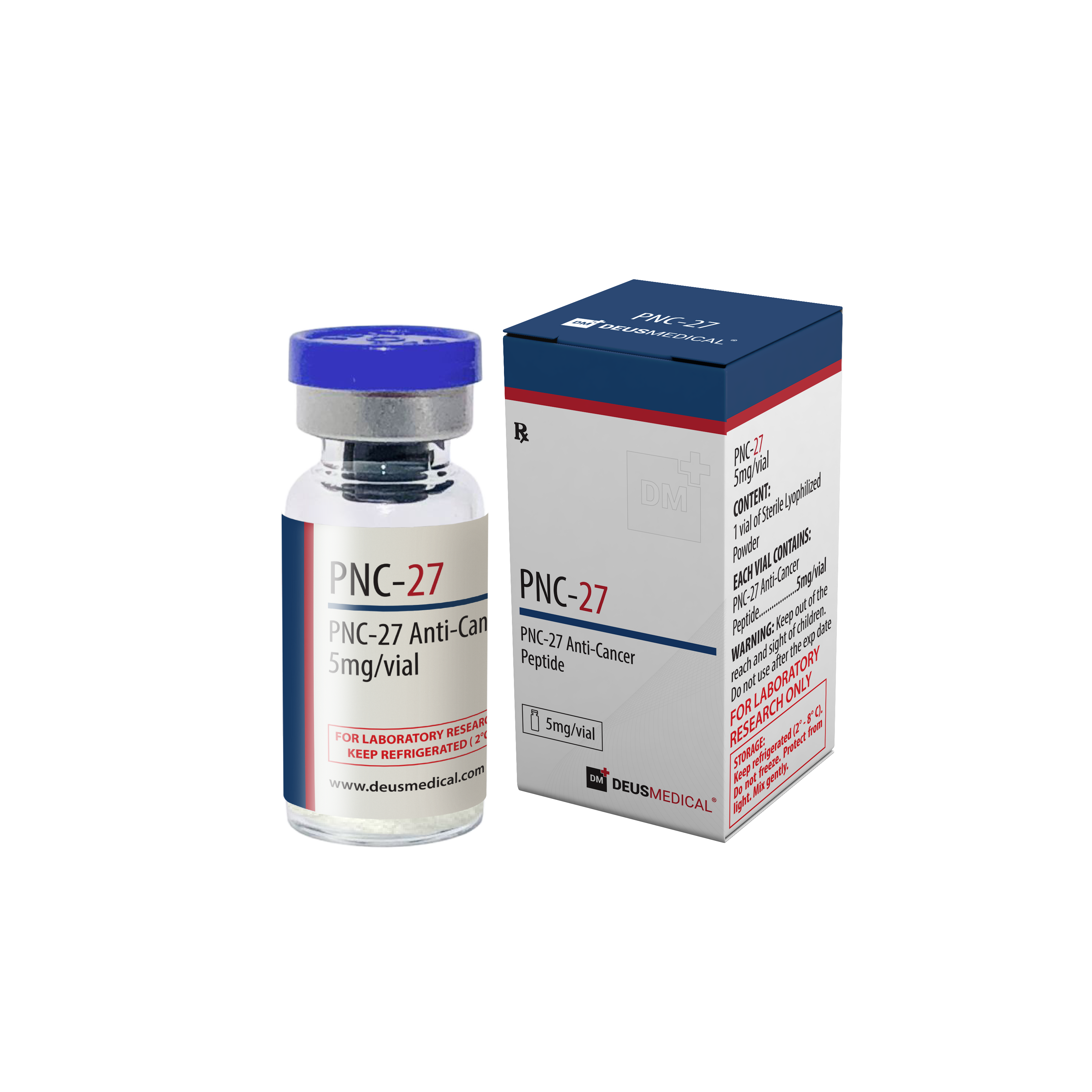
Pnc 27, a synthetic peptide derived from the p53 protein, targets cancer cells by interacting with the HDM-2 oncoprotein. This binding triggers apoptosis, focusing its effects on malignant cells and minimizing damage to healthy ones. Early studies on various cancers show promising results, although challenges like stability and delivery remain.

MGF-PEG: A New Era in Muscle Regeneration

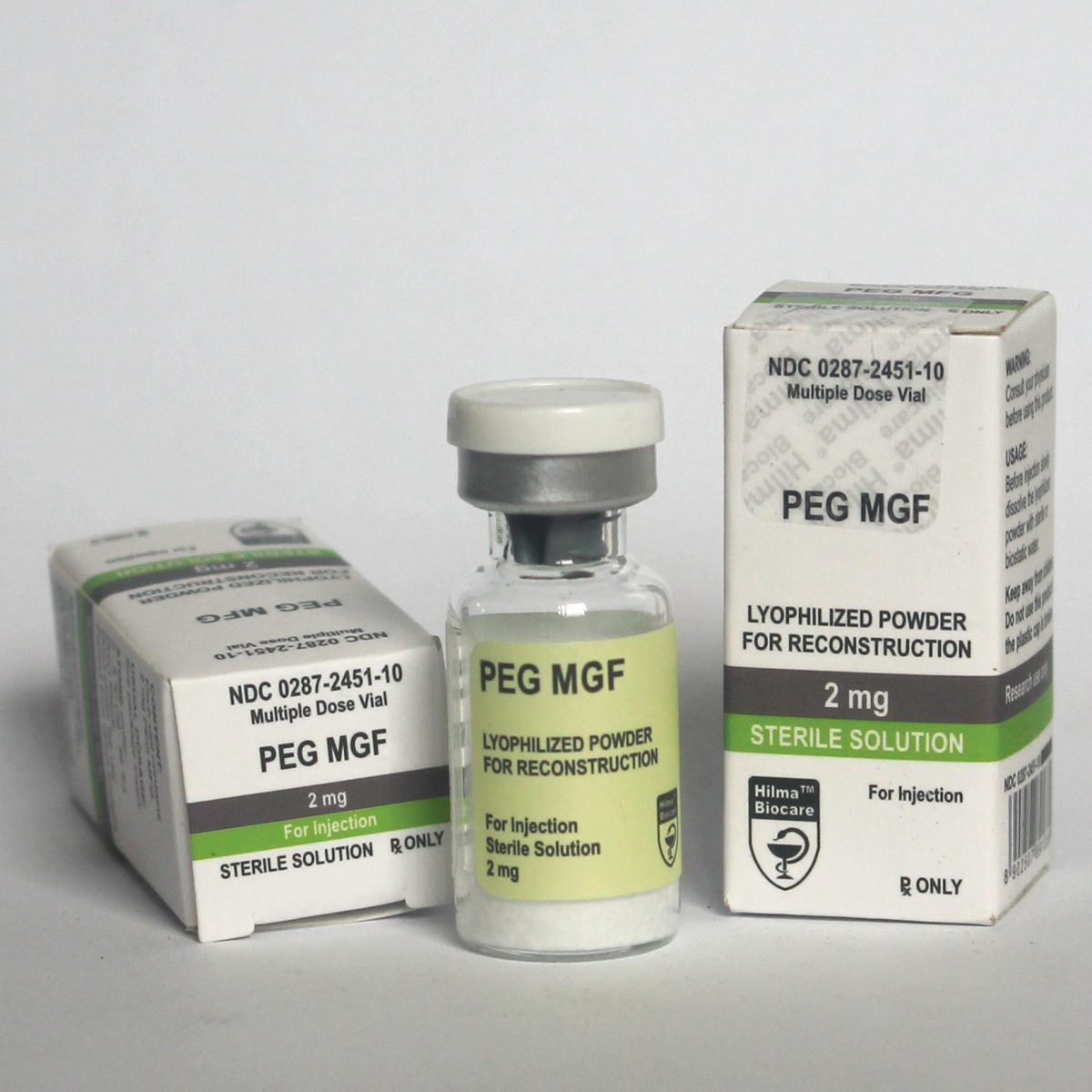
The Mgf peg is an innovative tool used across various industries to secure, fasten, or align components with efficiency and reliability. Its straightforward use and high strength make it popular in construction, manufacturing, and DIY projects. One key feature is its adaptability, offering increased torque tolerance and load capacity.

AOD-9604: The Peptide Revolutionizing Weight Management

Aod 9604 peptide is a modified fragment of human growth hormone, gaining attention for its potential benefits in fat metabolism and weight management. It isolates the fat-reducing effects without impacting muscle or bone growth. Used in bodybuilding and fitness, it may enhance fat burning without affecting muscle mass and doesn’t increase insulin resistance, offering promising therapeutic solutions for obesity. Extensive research continues to explore its capabilities and limitations, aiming to provide a safer alternative to traditional growth hormone therapies.

Understanding Polypeptide Bonds: The Building Blocks of Proteins

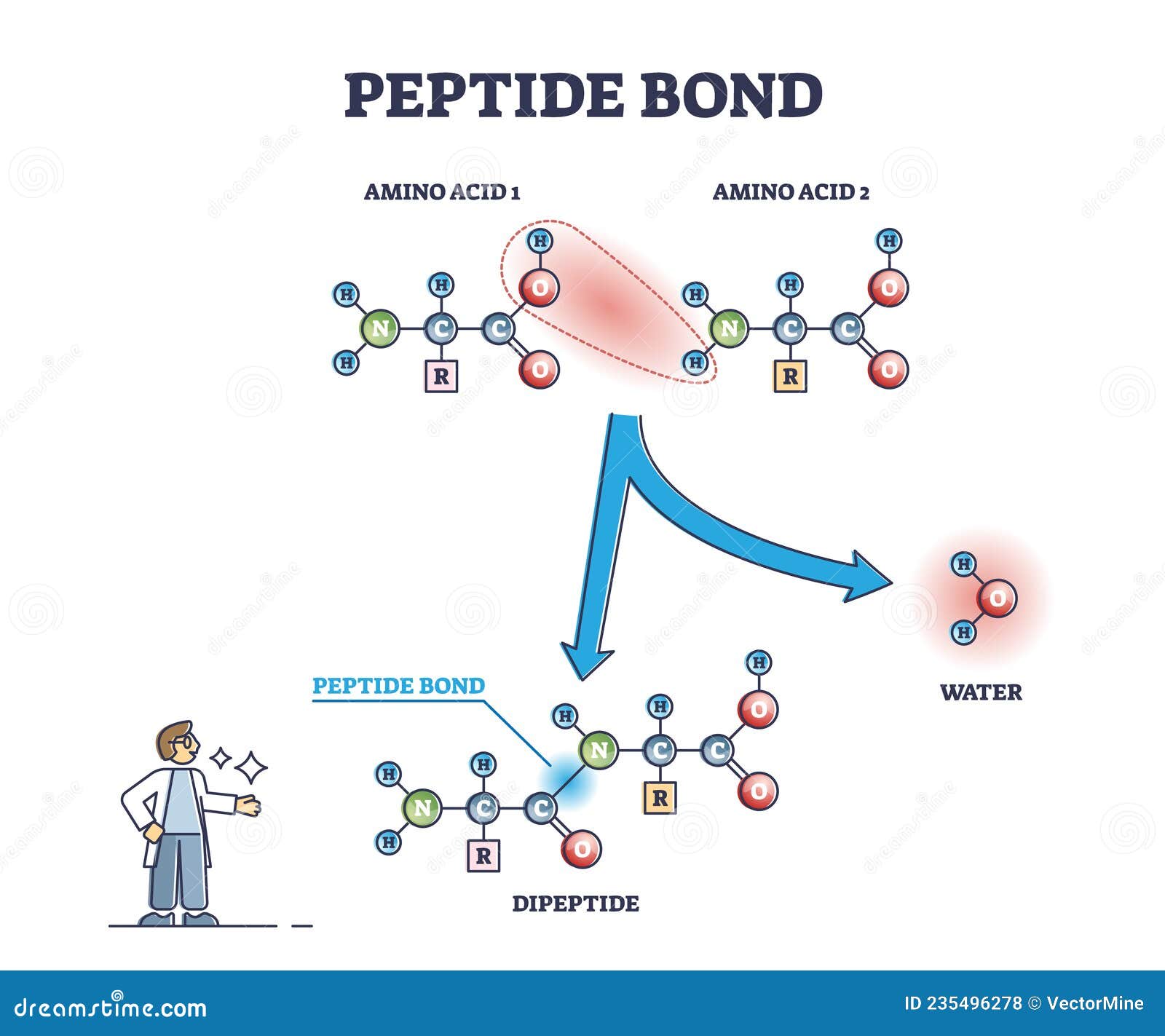
A polypeptide bond, or peptide bond, is a critical chemical linkage in biochemistry connecting amino acids to form polypeptides and proteins. This covalent bond arises when the carboxyl group of one amino acid reacts with the amino group of another, releasing water. It forms the backbone of protein structures, linking amino acids in a sequence determined by genetic information. This sequence defines the protein’s structure and function, ensuring resilience crucial for roles like catalysis, structure, and communication in organisms.

General Overview : What is LL-37 peptide

LL-37 is a key antimicrobial peptide in the human immune system, part of the cathelicidin family, derived from hCAP18. Expressed in neutrophils and epithelial cells, it combats infections by neutralizing bacteria, viruses, and fungi. LL-37 also modulates inflammation and aids in wound healing, making it a focus for therapeutic applications.

Choosing the Right Needle Size for Testosterone Injections

Selecting the appropriate needle size for testosterone injections is crucial for effective delivery and minimizing discomfort. Commonly, 22 to 25-gauge needles are used, with a length of 1 to 1.5 inches for intramuscular injections. This ensures the viscous testosterone solution flows smoothly and reaches deep into the muscle, such as the gluteus maximus or quadriceps. Avoid reusing needles to prevent contamination and infections. Always consult with a healthcare provider for personalized advice to ensure safe and effective administration.

Left Menu Icon
Your Cart