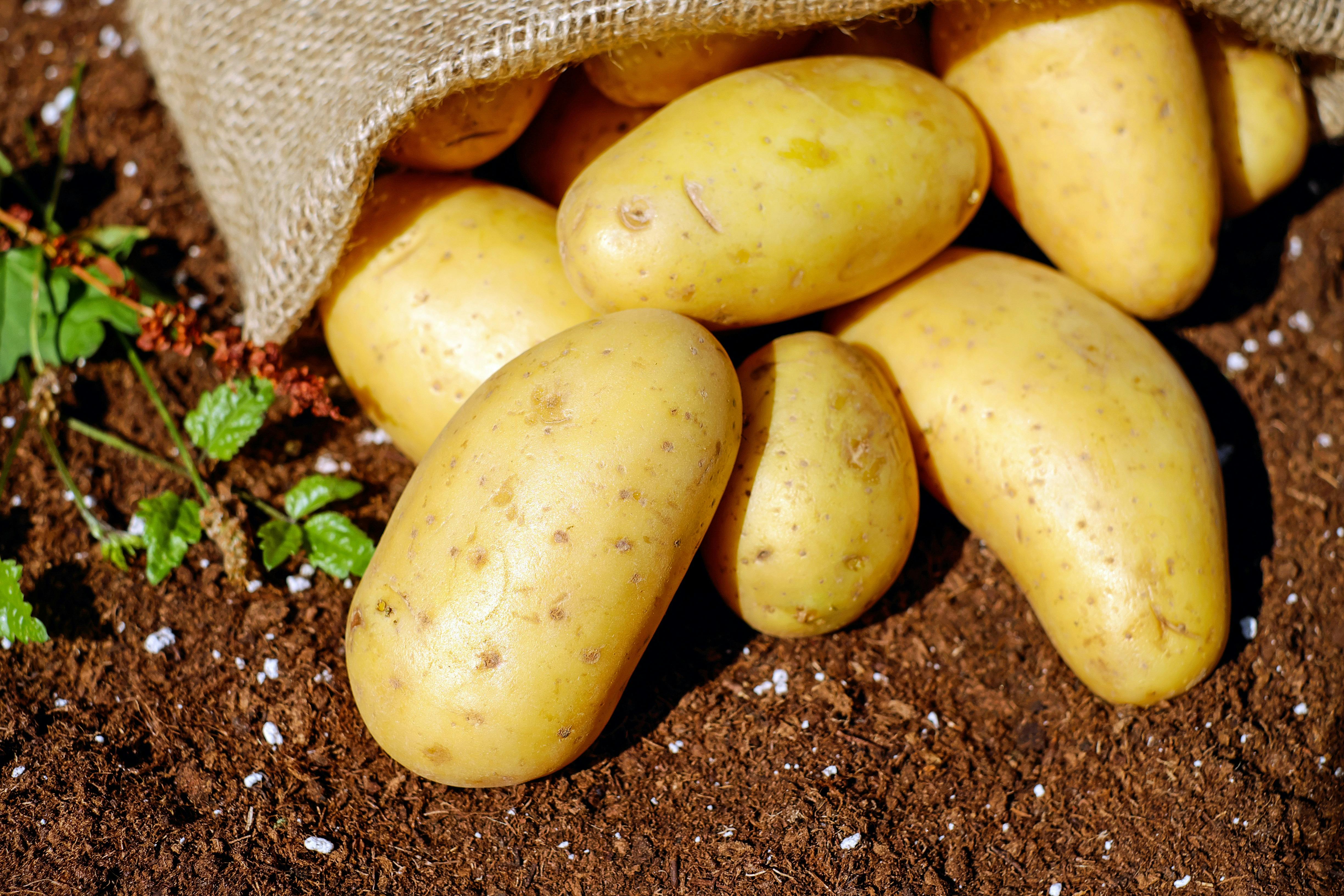
Potato Perplexity: Unraveling the Vegetable Debate
TABLE OF CONTENTS

The potato is an integral part of global cuisine, beloved for its versatility and nutritional value. Despite its culinary prevalence, many individuals find themselves questioning: the potato, is it a vegetable? To unravel this question, we must navigate the complex pathways of botanical classification, culinary practices, and nutritional science.
Understanding Potato: Is It a Vegetable?
Before we tackle the question “potato, is it a vegetable?” let’s explore its botanical background. The potato belongs to the Solanaceae family, often known as nightshades, and its scientific name is Solanum tuberosum. Botanically, it is classified as a tuber, which is a type of underground storage organ.
When considering dietary guidelines, vegetables encompass a broad category, from leafy greens to root crops. So, the potato, while a tuber, is indeed considered a vegetable. Its main role is as a starchy vegetable, similar to peas and corn. The potato, is it a vegetable? Yes, but it comes with a twist—it is often categorized separately due to its higher carbohydrate content compared to other vegetables.
Nutritional Value of Potato
Understanding whether the potato is it a vegetable also involves exploring its nutritional profile. Potatoes are rich in vitamins and minerals, such as vitamin C, vitamin B6, potassium, and manganese. They are also a good source of dietary fiber, especially when consumed with the skin.
However, potatoes have a higher glycemic index compared to many other vegetables, which means they can cause a rapid spike in blood sugar levels. This is an important consideration for individuals monitoring their carbohydrate intake or managing diabetes.
Culinary Versatility of Potato: Is It a Vegetable?
In the culinary world, potatoes are celebrated for their versatility. From the creamy richness of mashed potatoes to the crisp delight of French fries, potatoes can be manipulated into a wide array of textures and flavors. This contributes to the query: the potato, is it a vegetable? Yes, and its diverse applications solidify its status in the culinary arts.
Culinary practices have recognized the potato not just as a side dish but as a main course and snack as well. Its ability to absorb flavors makes it a staple across various cuisines, adapting to both savory and sweet preparations.
Conclusion
So, is the potato a vegetable? The answer is unequivocally yes. Potatoes play a crucial role both in botanical terms and in culinary applications. While they differ from leafy or cruciferous vegetables due to their starch content, they are undeniably a part of the vegetable kingdom. Understanding the potato as a vegetable helps appreciate its nutritional value and culinary versatility, contributing significantly to a balanced diet.
FAQs
Q1: What makes a potato a vegetable?
Potatoes are classified as vegetables because they belong to the plant family Solanaceae and are consumed for their nutritional content despite being tubers.
Q2: How should potatoes be prepared to retain their nutrients?
For maximum nutritional benefit, consume potatoes with their skin and opt for methods like baking or boiling over frying.
Q3: Are sweet potatoes considered the same category?
Sweet potatoes belong to a different family but share similar nutritional profiles; they are also considered starchy vegetables.
For more information on the potato, see The International Potato Center and The World of Potatoes.
BIG SALE | FAST SHIPPING
HOT PROMOTIONS!



ZPHC UltraMix 10ml MultiUse Vial 1ml = 250mg

Original price was: $ 255.00.$ 179.00Current price is: $ 179.00.





FIERCE CLOMID 50MG 50CAPS

Original price was: $ 129.00.$ 119.00Current price is: $ 119.00.
Yes, the potato is indeed classified as a vegetable. Botanically, potatoes are tubers, which are the thickened, fleshy parts of an underground stem of the plant Solanum tuberosum, belonging to the nightshade family Solanaceae, alongside tomatoes, eggplants, and peppers. They are one of the most widely consumed vegetables globally due to their versatility, nutritional value, and robustness in growth. Nutritionally, potatoes are rich in carbohydrates, particularly starch, and they also provide essential vitamins such as vitamin C and vitamin B6, minerals like potassium and magnesium, and dietary fiber. Potatoes can be prepared in a wide array of cooking methods, including boiling, baking, frying, mashing, and roasting, making them a staple ingredient in many cultural cuisines around the world. Despite their starchy nature, when prepared healthily, potatoes can be a valuable part of a balanced diet.