ITEM HAS FREE SHIPPING
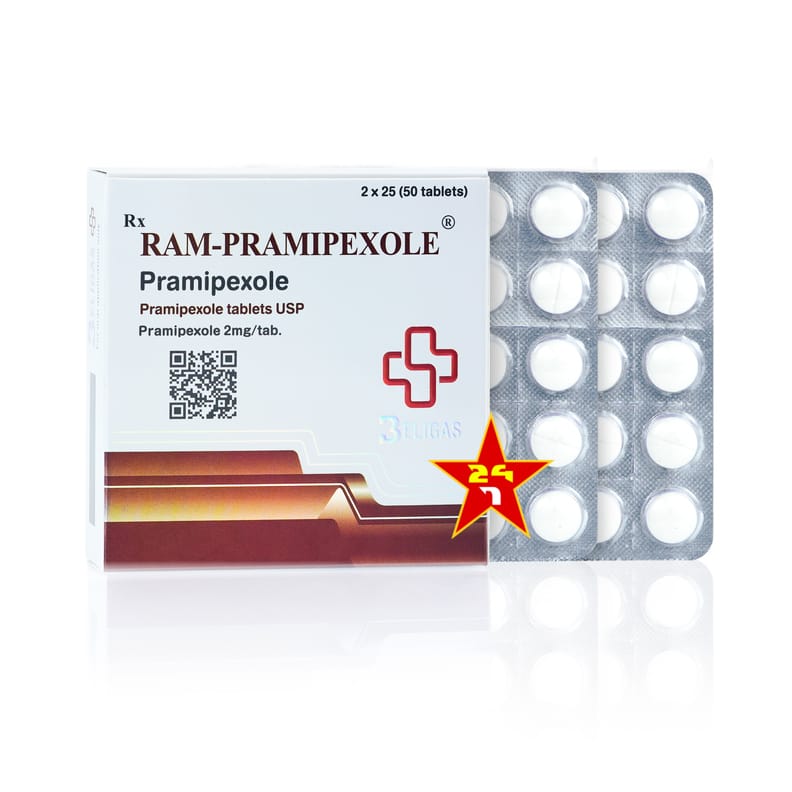
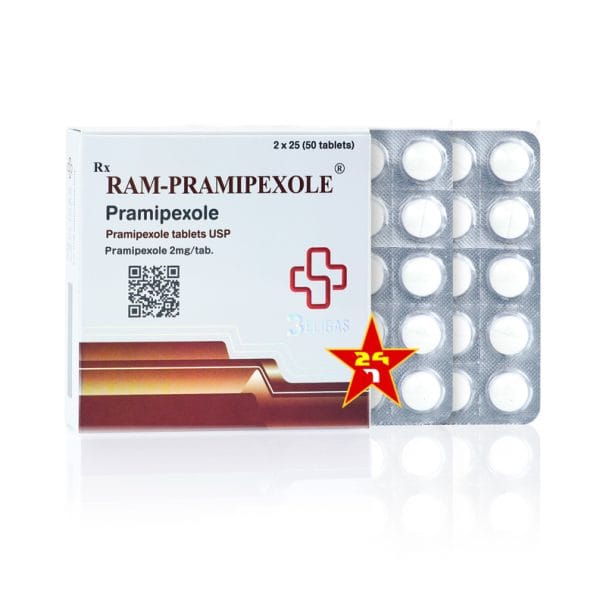
Beligas RAM PRAMIPEXOLE 2mg 50 tablets
$ 69.00
Explore the uses and benefits of Beligas RAM Pramipexole 2mg for Parkinson’s and RLS in this comprehensive guide.
252 in stock
Description
Pramipexole, marketed under various brand names including Beligas RAM, is a medication primarily used in the treatment of Parkinson’s disease and Restless Legs Syndrome (RLS). This comprehensive guide aims to delve into the specifics of Beligas RAM Pramipexole 2mg, exploring its uses, benefits, and the essential information surrounding its administration. Understanding the intricacies of this medication can empower patients and healthcare providers to make informed decisions in managing these neurological conditions.
Understanding Pramipexole: Uses and Benefits
Pramipexole is a dopamine agonist that plays a crucial role in managing symptoms related to Parkinson’s disease and Restless Legs Syndrome (RLS). In Parkinson’s disease, Pramipexole assists in alleviating motor symptoms such as tremors, stiffness, and slowness of movement. This is achieved by stimulating dopamine receptors in the brain, compensating for the reduced dopamine levels that characterize the condition. Similarly, for individuals suffering from RLS, Pramipexole helps in reducing the uncomfortable urges to move the legs, thereby improving sleep quality and overall life satisfaction. The 2mg dosage of Beligas RAM Pramipexole provides an effective balance between efficacy and tolerability, making it a widely used option in clinical settings.
In conclusion, Beligas RAM Pramipexole 2mg serves as a valuable tool in the therapeutic arsenal against Parkinson’s disease and Restless Legs Syndrome. By understanding its uses and benefits, patients and healthcare providers can better navigate treatment options and improve quality of life for those affected by these challenging conditions. As with any medication, it is essential to consult with a healthcare professional to tailor the treatment to individual needs and ensure the best possible outcomes.
Related products
 Sale!Original price was: $ 89.00.$ 79.00Current price is: $ 79.00.