

ITEM HAS FREE SHIPPING
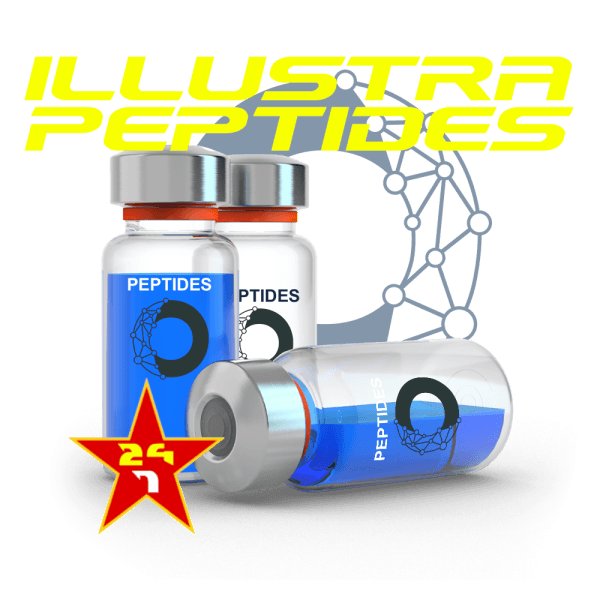
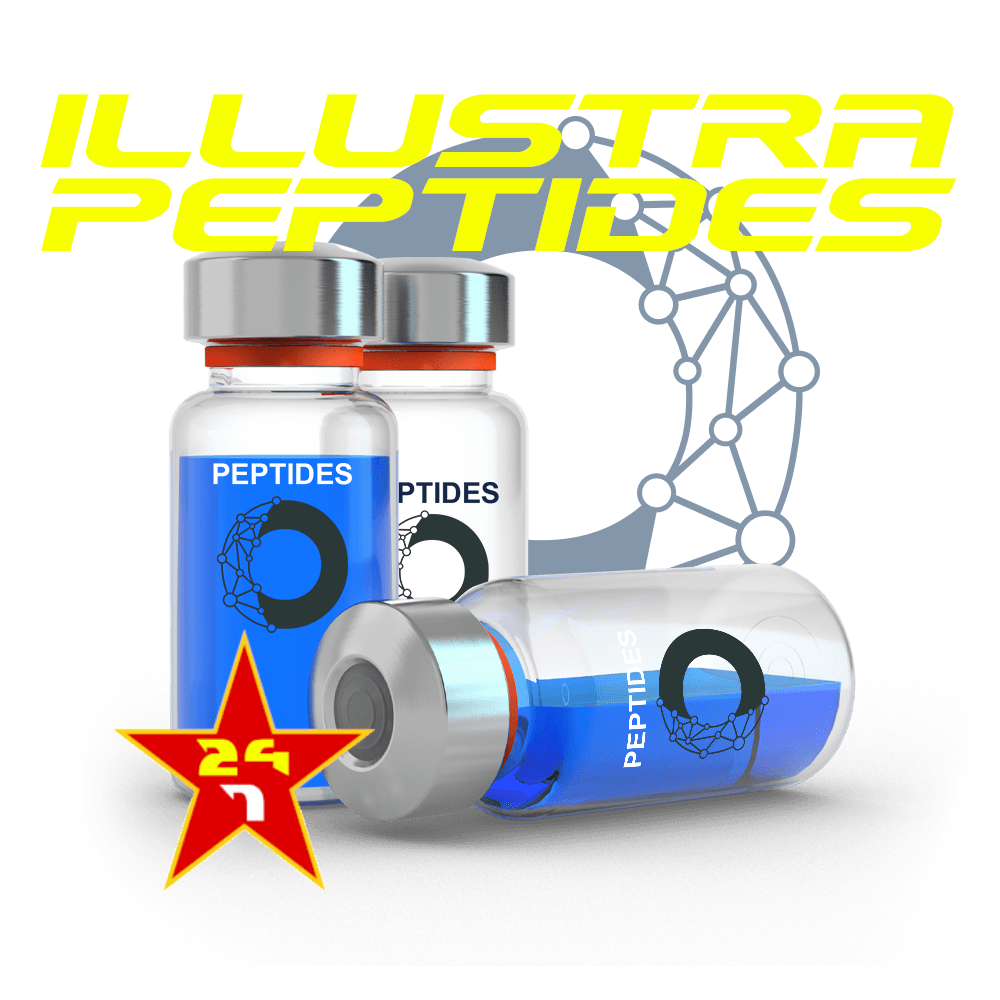
BPC157 5mg + TB500 5mg | Premium 10mg | 1 vial | ILLUSTRA
$ 69.00
Discover the benefits of BPC157 5mg + TB500 5mg by ILLUSTRA**: a premium 10mg vial designed for optimal healing, recovery, and inflammation reduction.
1020 in stock
Description
In recent years, the field of peptide therapy has gained significant attention, particularly with the interest surrounding BPC157 and TB500. These peptides have been increasingly explored for their potential health benefits, ranging from enhanced recovery to improved physical performance. This article delves into what BPC157 and TB500 are, how they function, and the potential advantages they might offer.
Understanding BPC157 and TB500: What Are They?
BPC157 and TB500 are synthetic peptides that have been the subject of scientific interest due to their promising therapeutic properties. BPC157, or Body Protection Compound 157, is derived from a protein found in the human stomach and is known for its potential to accelerate healing and reduce inflammation. It is often explored for its regenerative effects on various tissues, including muscles, tendons, and the gut lining. TB500, on the other hand, is a synthetic version of Thymosin Beta-4, a naturally occurring peptide in the body. It is primarily recognized for its ability to promote cell growth, migration, and differentiation, which can be beneficial in tissue repair and recovery. Together, these peptides are thought to complement each other, offering a broad spectrum of potential health benefits.
While the benefits of BPC157 and TB500 are still under investigation, early studies and anecdotal reports suggest they may offer significant advantages in terms of healing and recovery. As research continues to unfold, these peptides could play a crucial role in therapeutic applications, providing new avenues for enhancing health and physical performance. However, it is essential to approach their use with caution and to rely on scientific evidence to guide their application in clinical and personal settings.
You must be logged in to post a review.
Related products
 Sale!Original price was: $ 106.00.$ 99.00Current price is: $ 99.00.
 Sale!Original price was: $ 123.00.$ 109.00Current price is: $ 109.00.
 $ 139.00
- $ 129.00




Reviews
There are no reviews yet.