










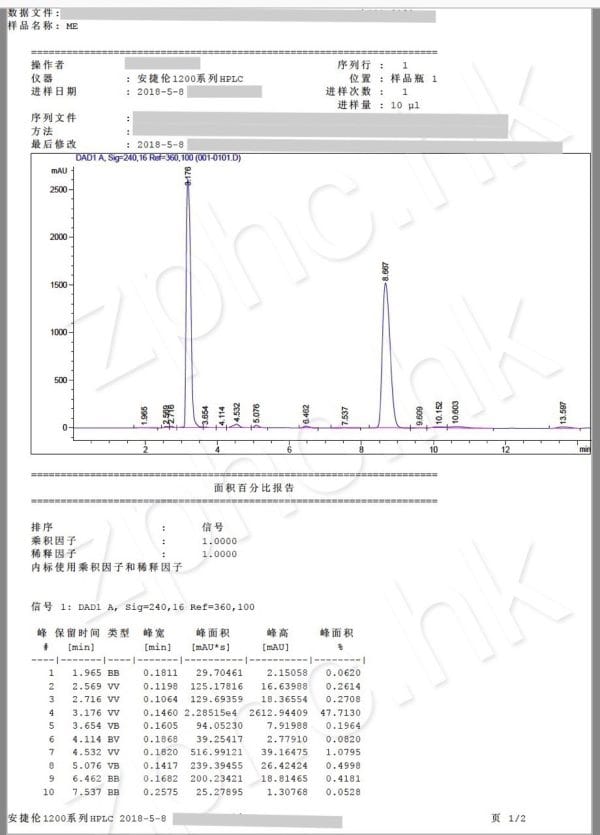
ITEM HAS FREE SHIPPING
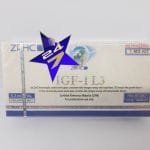
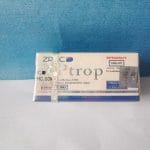
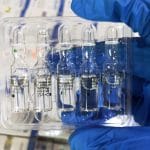
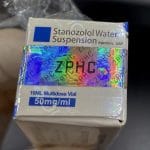
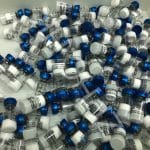
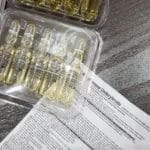
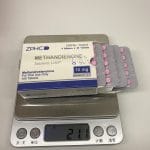
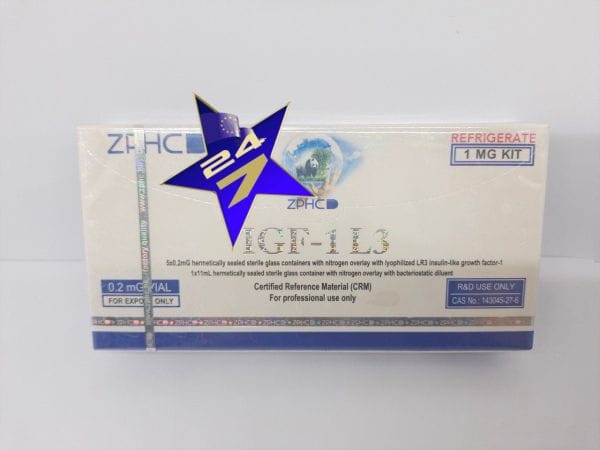
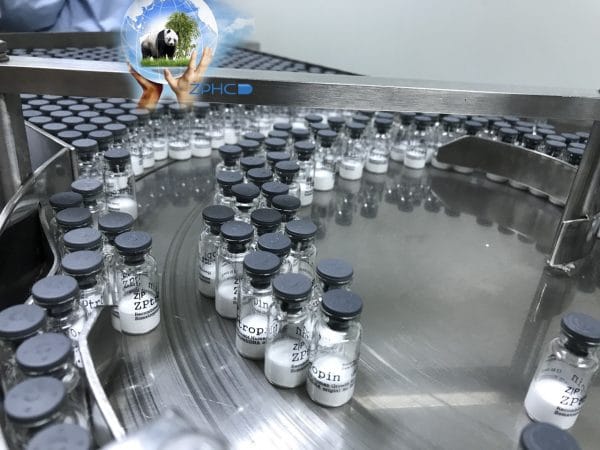
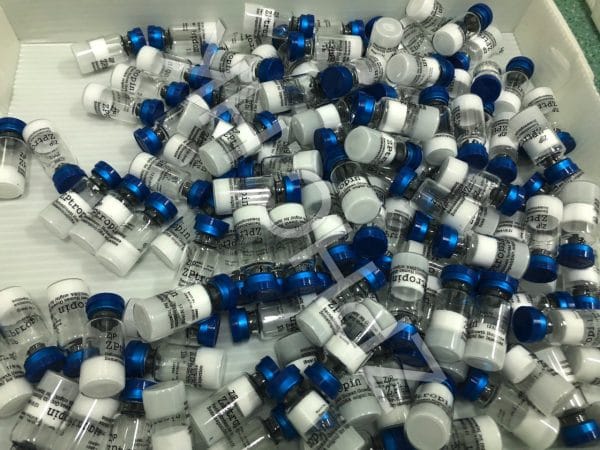
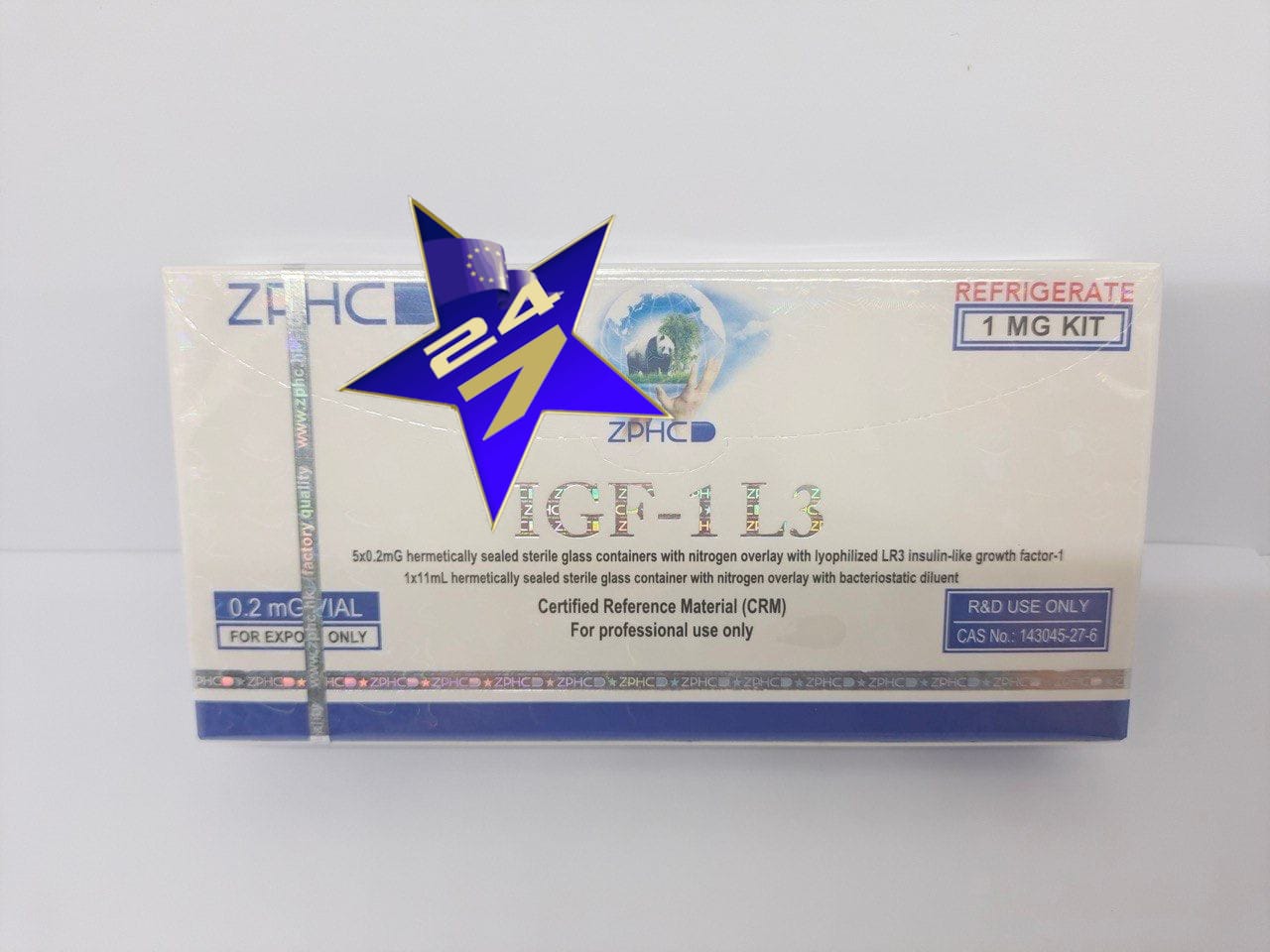
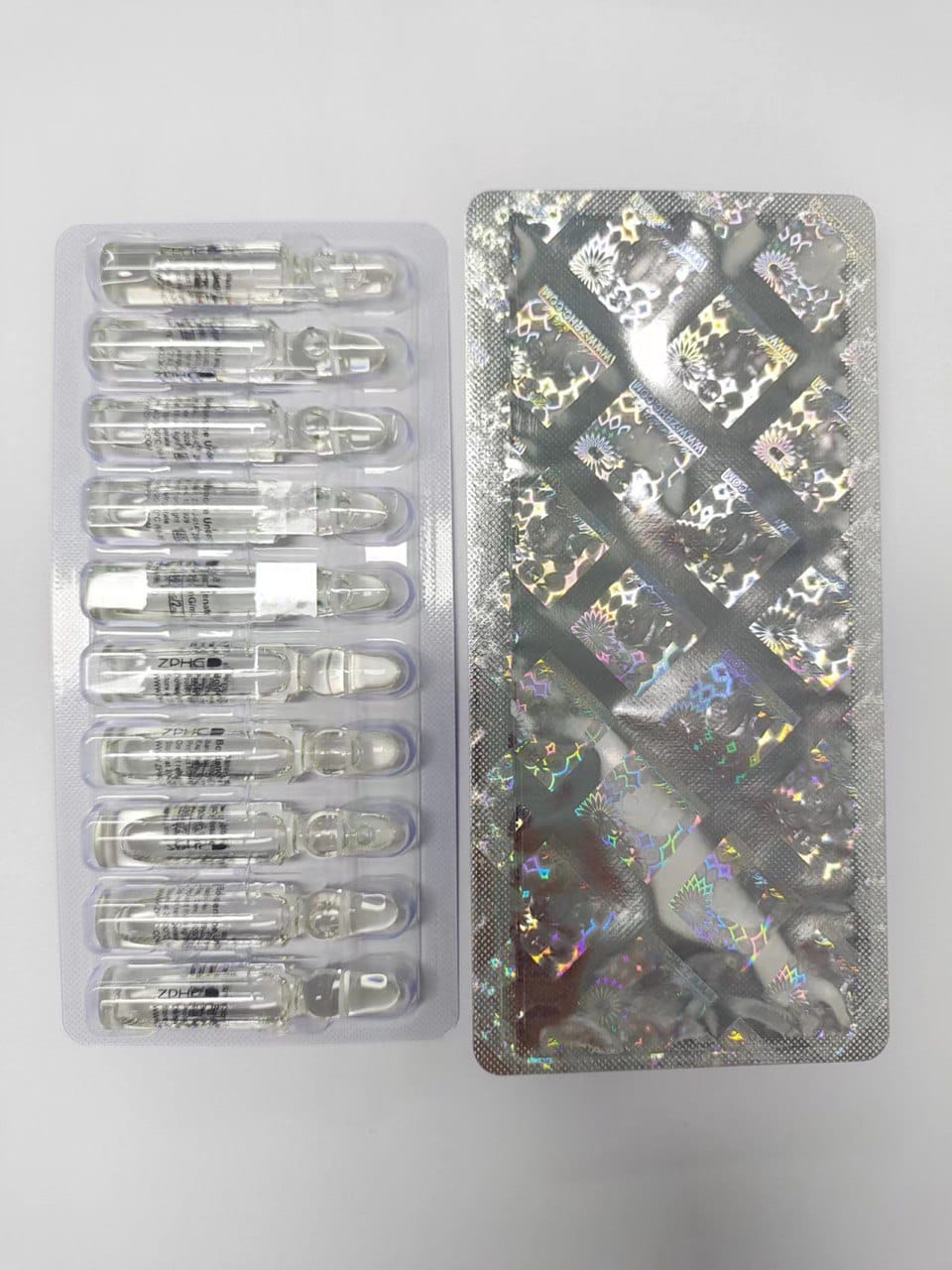
ZPHC || IGF1 LR3 | 5 amps x 0.2mg Each = Total: 1mg
$ 209.00
ZPHC || IGF1 LR3 | 5 amps x 0.2mg Each = Total: 1mg. Explore the uses, benefits, and safety of IGF1 LR3, a synthetic peptide known for its potential in muscle growth and recovery studies.
TOTAL: 1mg
Out of stock
Description
Insulin-like Growth Factor 1 Long R3 (IGF1 LR3) is a synthetic peptide that has captured the attention of researchers and fitness enthusiasts alike. Known for its potential to enhance growth and development, IGF1 LR3 is primarily used in scientific studies and, occasionally, in the realm of bodybuilding. This article explores the various uses, benefits, and safety considerations associated with IGF1 LR3, providing a comprehensive overview for those interested in this intriguing compound.
Understanding IGF1 LR3: An Overview of Its Uses
IGF1 LR3 is a modified version of the naturally occurring Insulin-like Growth Factor 1 (IGF1), which plays a crucial role in childhood growth and continues to have anabolic effects in adults. The LR3 variant is engineered to have a longer half-life, making it more potent and lasting in its effects. In research settings, IGF1 LR3 is primarily used to study its impacts on cellular growth and development, muscle hypertrophy, and tissue repair. It is particularly noted for its potential to stimulate muscle growth, making it a topic of interest in the fields of sports science and bodybuilding. While its primary use remains within the confines of scientific research, anecdotal reports suggest its off-label use by athletes and bodybuilders seeking performance enhancement.
Benefits of IGF1 LR3
The benefits of IGF1 LR3 are largely attributed to its ability to promote muscle growth and repair. As a powerful anabolic agent, it enhances protein synthesis, which can lead to increased muscle mass and strength. Additionally, IGF1 LR3 is believed to facilitate faster recovery from injuries by promoting cell regeneration and repair. This makes it a valuable tool in rehabilitation settings, where quick recovery is essential. Furthermore, some studies suggest that IGF1 LR3 may improve endurance and reduce muscle wasting, offering potential benefits not only for athletes but also for individuals suffering from muscle-degenerative diseases. However, it is important to note that while the benefits are promising, they are primarily observed in controlled research environments, and more studies are needed to confirm these effects in broader applications.
Safety Considerations and Potential Side Effects
While IGF1 LR3 shows promise, it is not without potential risks and side effects. As a potent growth factor, there is a concern that it could promote the growth of undesirable cells, including cancerous ones, although this has not been conclusively proven. Other potential side effects include hypoglycemia, due to its insulin-like effects, and joint pain or swelling. Users may also experience headaches, nausea, and fatigue. Due to these risks, it is crucial that IGF1 LR3 is used under the guidance of a qualified professional in a research setting. Additionally, its use is often restricted or banned in professional sports due to ethical concerns and potential health risks. As with any potent compound, a thorough understanding of its effects and careful consideration of safety measures are essential.
IGF1 LR3 remains a compound of significant interest in the worlds of scientific research and performance enhancement. While its potential benefits for muscle growth and recovery are appealing, the safety concerns and regulatory restrictions surrounding its use cannot be overlooked. As research continues to unfold, a deeper understanding of IGF1 LR3 will be crucial in determining its place in both medical and athletic applications. For now, its use should be approached with caution, and it is imperative that individuals prioritize safety and adhere to legal guidelines to avoid adverse effects.
You must be logged in to post a review.
Related products
-
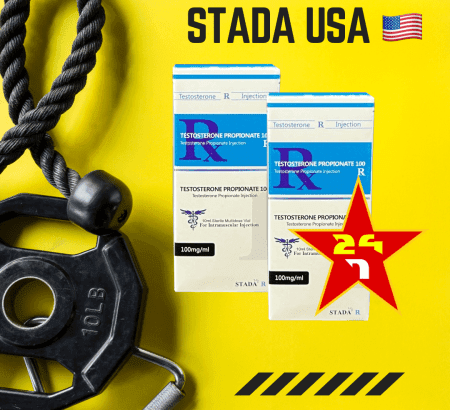 Sale!Original price was: $ 79.00.$ 59.00Current price is: $ 59.00.
 -
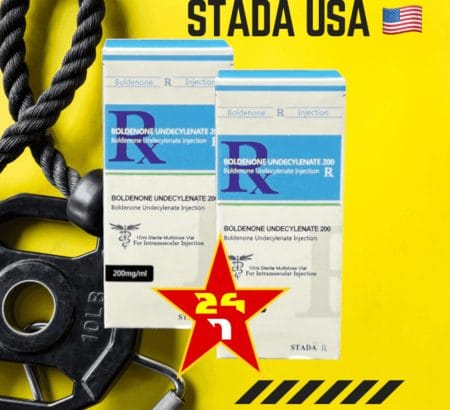 Sale!Original price was: $ 119.00.$ 99.00Current price is: $ 99.00.
 -
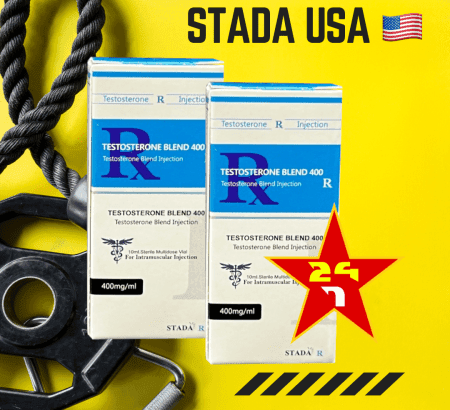 $ 119.00






Reviews
There are no reviews yet.