

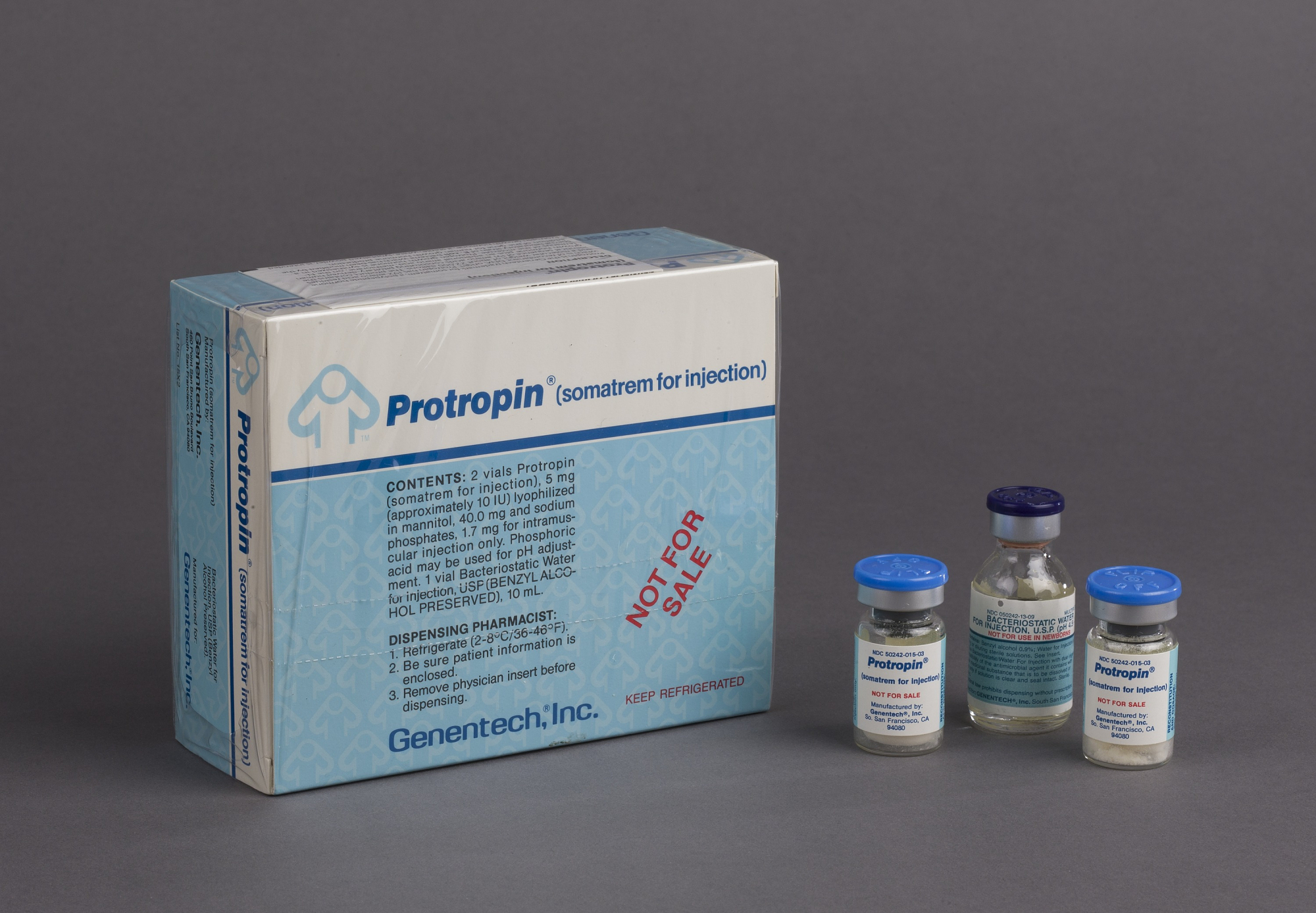
Protropin
TABLE OF CONTENTS

Protropin, a synthetic human growth hormone (HGH), has been a significant player in the medical landscape, particularly for individuals with growth deficiencies. Initially developed to treat pediatric patients with growth hormone deficiencies, its applications have expanded, exploring potential benefits in adult therapy, wellness, and various performance areas.
The Origins and Development of Protropin
Introduced in the mid-1980s, Protropin marked a pivotal shift in the treatment of growth deficiencies. As a biosynthetic growth hormone, it mimicked the natural growth hormone produced by the pituitary gland. This innovative treatment offered hope to those whose development was hindered by inadequate HGH production, allowing them to achieve more typical growth patterns.
Medical Applications of Protropin
Protropin has been primarily used to treat growth hormone deficiencies in children, a condition characterized by abnormally short stature and delayed growth. By supplementing what the body lacks, Protropin helps to normalize children’s growth, enabling them to reach heights commensurate with their peers. Moreover, it plays a role in treating conditions such as Turner syndrome and chronic renal insufficiency, where growth failure is a concern.
Expanding into Wellness and Fitness
Beyond its medical use, Protropin has garnered interest in wellness and fitness circles. The peptide’s ability to simulate HGH production has made it a sought-after supplement for those pursuing vitality and anti-aging benefits. Advocates suggest it supports muscle growth, fat reduction, and improved recovery times—appealing attributes for athletes and fitness enthusiasts. However, it’s essential to approach such claims critically and seek professional guidance to avoid potential misuse and side effects.
Conclusion
Protropin remains a groundbreaking advance in treating growth hormone deficiencies, improving lives by facilitating normal development in children and promising potential benefits for adults. As with any hormone therapy, it is essential to use Protropin under strict medical supervision to avoid adverse effects and ensure safety and efficacy. Continued research and ethical oversight are crucial to expanding its applications while safeguarding health.
FAQs About Protropin
What is Protropin used for?
Protropin is primarily used to treat children with growth hormone deficiencies, promoting normal growth and development. It also assists with conditions like Turner syndrome.
Can Protropin help with anti-aging?
Some individuals explore Protropin for its purported anti-aging benefits, such as improved muscle mass and reduced fat. However, these uses should be approached cautiously and under medical advice.
Are there side effects associated with Protropin?
Yes, side effects can include joint pain, muscle pain, and swelling. Long-term use might lead to more serious health issues, thus highlighting the importance of medical supervision.
How is Protropin administered?
Protropin is typically administered through injections. The dosage and duration of treatment depend on the specific needs of the individual and should always be guided by a healthcare provider.
FREE SHIPPING
BIG SALE | FAST SHIPPING
HOT PROMOTIONS!
STADA DHB DIHYDROBOLDENONE 100MG 10 ML

Original price was: $ 219.00.$ 109.00Current price is: $ 109.00.




#peptides #skincare #antiaging #b #skin #beauty #collagen #wellness #weightloss #sermorelin #ghrp #stayfit #bodybuilding #injections #hcg #skincareroutine #hcgphase #hcgdiet #hcginjections #doral #hcgplus #hcgworks #miami #hcgpellets #hcgdrops #hcgusers #hcgcommunity #hcgresults #miamibeach #hcgprotocol #hcgchica #alastinskincare
Protropin is a brand name for synthetic human growth hormone (somatrem) that was developed by Genentech, Inc. for the treatment of growth hormone deficiency in children. First approved by the FDA in the mid-1980s, Protropin worked by mimicking the natural growth hormone produced by the pituitary gland, thereby promoting growth in stature and augmenting various metabolic functions. Its introduction marked a significant advancement in endocrinology and pediatric medicine, as it provided an effective treatment option for children with growth failure due to inadequate endogenous growth hormone production. However, with the advancement of biotechnology, newer recombinant versions of somatropin that closely resemble natural growth hormone eventually supplanted Protropin. Despite its discontinuation, Protropin played a pivotal role in the development of therapies for growth hormone deficiencies and opened pathways for research into similar recombinant pharmaceuticals.