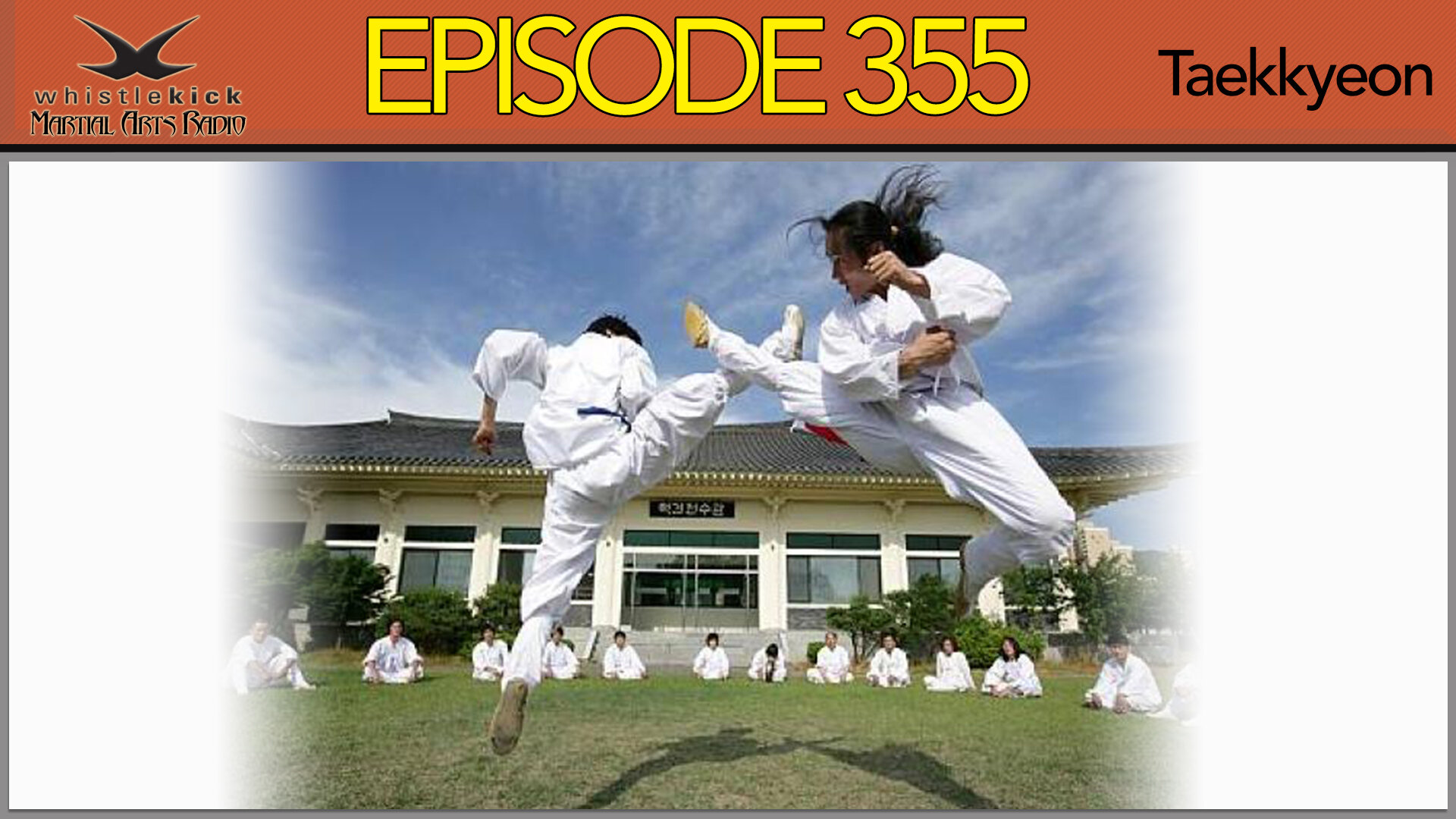
Reviving Tradition: The Resurgence of Taekkyeon in Modern Korea
TABLE OF CONTENTS

Taekkyeon is a traditional Korean martial art known for its fluid movements and emphasis on rhythm and technique rather than brute strength. With a history spanning hundreds of years, Taekkyeon is a cultural treasure that embodies the grace and spirit of Korean heritage.
The Origins of Taekkyeon
Taekkyeon’s roots trace back to the Goguryeo Dynasty (37 BC–668 AD), where it was practiced as a form of self-defense and as part of public celebrations. Historical murals and records suggest that it played a significant role in daily Korean life, not just as a combat sport but also as a cultural performance.
Techniques and Philosophy
What sets Taekkyeon apart from other martial arts is its unique approach to combat. It involves dynamic, dance-like movements which enhance flexibility and coordination. The techniques focus on using the opponent’s strength against them, utilizing graceful kicks, strikes, and open-handed techniques. The aim is not to overpower the adversary but to control the encounter through strategic movement and timing.
The philosophy behind Taekkyeon is deeply rooted in the principles of balance and harmony, reflecting the natural world. Practitioners are encouraged to cultivate mental discipline and respect for others, fostering a sense of community and mutual growth.
Modern-Day Taekkyeon
Today, Taekkyeon is recognized both as a sport and a cultural activity. It was designated an Important Intangible Cultural Property by the Korean government in 1983, and in 2011, it was listed by UNESCO as an Intangible Cultural Heritage of Humanity. This recognition has revitalized interest in Taekkyeon, spurring efforts to preserve and promote it globally.
Training in Taekkyeon is now available worldwide, appealing to those seeking a martial art that combines physical fitness with cultural depth. International tournaments further showcase its global appeal and versatility.
Conclusion
Taekkyeon stands as a testament to Korea’s rich cultural legacy, offering more than just physical training. Its elegant techniques and profound philosophy provide valuable lessons in discipline, respect, and the importance of harmony with oneself and the world. As Taekkyeon continues to flourish both in Korea and internationally, it remains a vital link to the past and a robust bridge to the future.
BIG SALE | FAST SHIPPING
HOT PROMOTIONS!




ZPHC Clomid Clomiphene 25mg/tablet | 100 Tablets Total: 2500mg

Original price was: $ 159.00.$ 65.00Current price is: $ 65.00.
CROWX 👑 CLOMIROW 50 Mg / 50 Tabs ( Clomid )

Original price was: $ 79.00.$ 69.00Current price is: $ 69.00.



FAQs
What distinguishes Taekkyeon from other martial arts?
Taekkyeon is characterized by its fluid, dance-like movements and an emphasis on balance and timing rather than brute force. The techniques focus on self-defense, leveraging the opponent’s energy against them, and maintaining harmony and respect.
How is Taekkyeon practiced today?
Taekkyeon is practiced globally as both a martial art and cultural activity. It is taught in dojos worldwide [link here to a Taekkyeon school], and international competitions are held to showcase its techniques.
Is Taekkyeon suitable for all ages?
Yes, Taekkyeon can be practiced by people of all ages. Its focus on flexibility and balance makes it accessible to children, adults, and even seniors looking for a gentle yet effective form of exercise.
Where can I learn more about Taekkyeon?
For more information, you can visit a Taekkyeon research center link or explore other cultural heritage resources.
Taekkyeon is a traditional Korean martial art characterized by its fluid, dance-like movements and emphasis on rhythmic footwork and agility. Developed during the Joseon Dynasty, Taekkyeon focuses on both offensive and defensive techniques, incorporating a variety of kicks, strikes, and takedowns. Unlike more rigid martial arts, it integrates graceful, flowing movements that enable practitioners to seamlessly transition between maneuvers. It’s often performed to traditional music, highlighting its cultural significance and artistic expression. Recognized by UNESCO as an Intangible Cultural Heritage, Taekkyeon continues to be celebrated for its historical importance and unique approach to combat and physical training.