Revolutionizing Skincare: The Benefits of KPV Peptide
TABLE OF CONTENTS

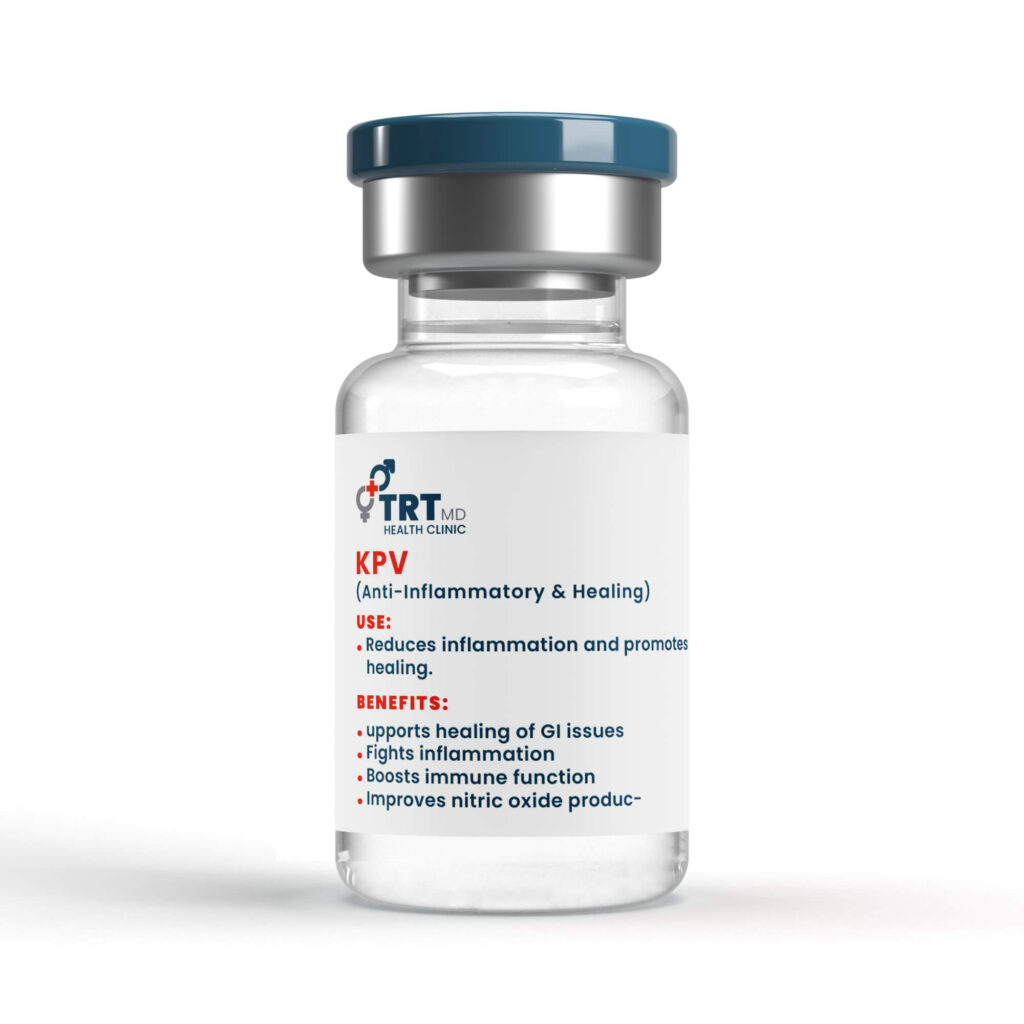
The KPV peptide is a bioactive compound that has garnered attention in the fields of medicine and biotechnology due to its potential therapeutic benefits. Comprised of three amino acids—lysine (K), proline (P), and valine (V)—this tripeptide is noted for its anti-inflammatory and wound-healing properties. With emerging research illuminating its diverse applications, the KPV peptide is poised to become a significant tool in various healthcare settings.
Properties and Mechanism of KPV Peptide
The KPV peptide is known for its potent anti-inflammatory abilities, largely attributed to its capacity to modulate immune responses. It inhibits the production of pro-inflammatory cytokines, thereby reducing inflammation and promoting healing. Its small molecular size allows for easy penetration of cells, enhancing its bioavailability and effectiveness.
Recent studies suggest that KPV peptide may have applications in treating conditions such as inflammatory bowel disease, dermatitis, and even certain autoimmune disorders. Its ability to reduce the activity of inflammatory pathways offers substantial potential for therapeutic development.
Applications of KPV Peptide
Inflammation and Autoimmune Conditions
KPV peptide’s anti-inflammatory properties make it a promising candidate for managing various inflammatory and autoimmune disorders. By suppressing the overactive immune responses, it may provide relief in conditions characterized by chronic inflammation, such as Crohn’s disease and ulcerative colitis.
Wound Healing
The wound-healing properties of the KPV peptide are of particular interest. By accelerating cell regeneration and reducing inflammation, the peptide facilitates quicker recovery in wounded tissues. Its role in enhancing repair processes has made it a focal point of research in regenerative medicine.
Dermatological Uses
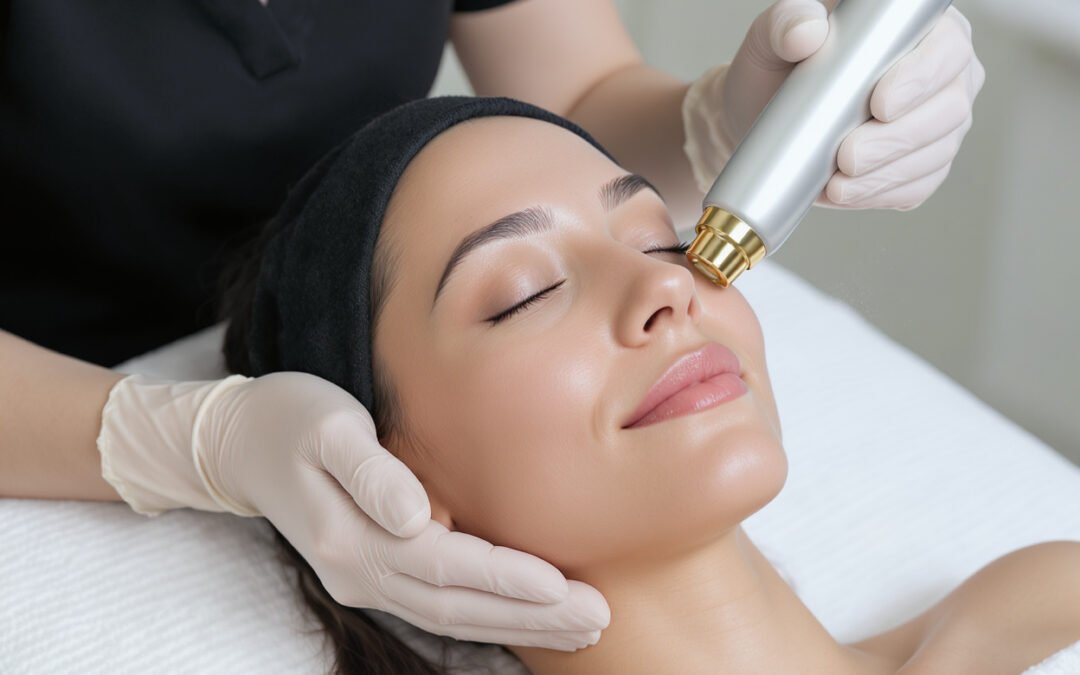
Another promising application of the KPV peptide is in dermatology. With its ability to calm inflammation and support healing, it is being explored as a treatment for skin conditions like eczema and psoriasis. Ongoing studies aim to determine its efficacy in these areas, potentially offering a new line of treatment for patients.
Conclusion
The KPV peptide offers a versatile approach to treating inflammation and aiding in tissue repair. As research advances, its potential applications in medicine continue to expand. Whether used in managing autoimmune diseases or in enhancing wound healing, the KPV peptide holds promise as a groundbreaking therapeutic option.
FAQs
What is the KPV peptide?
The KPV peptide is a tripeptide composed of lysine, proline, and valine. It is known for its anti-inflammatory and wound-healing properties.
How does the KPV peptide work?
The peptide works by modulating immune responses and reducing the production of pro-inflammatory cytokines, thereby alleviating inflammation and promoting tissue repair.
Can the KPV peptide be used for skin conditions?
Yes, the KPV peptide is being investigated for its potential to treat skin conditions like eczema and psoriasis due to its anti-inflammatory and healing properties.
What are the potential side effects?
Research is ongoing, but current findings suggest that the KPV peptide is generally well-tolerated. However, as with any therapeutic agent, it’s important to consult healthcare professionals for personalized advice.
BIG SALE | FAST SHIPPING
HOT PROMOTIONS!

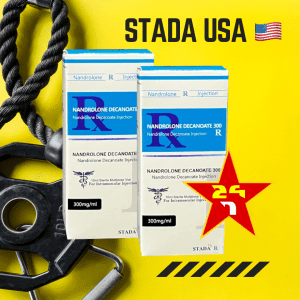

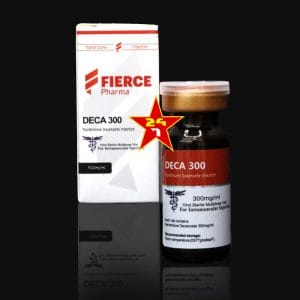
Fierce nandrolone decanoate 300 / ml 10ml
Original price was: $ 131.00.$ 119.00Current price is: $ 119.00.


KPV peptide, composed of the amino acid sequence lysine-proline-valine, is a naturally occurring tripeptide known for its potent anti-inflammatory and immunomodulatory properties. It is derived from the alpha-melanocyte-stimulating hormone (α-MSH) and has been studied for its potential therapeutic benefits in treating various inflammatory conditions. KPV works by inhibiting pro-inflammatory cytokines and reducing oxidative stress, which can help modulate the body’s immune response. Its efficacy in promoting skin healing and reducing inflammation makes it a promising candidate for skin-related therapies, including managing conditions like psoriasis and eczema. Additionally, ongoing research is exploring its broader applications in systemic inflammation and autoimmune disorders.