Rising Concerns Over Methanol Poisoning Epidemics
TABLE OF CONTENTS

Understanding Methanol Poisoning
Methanol poisoning is a serious health risk that arises from the consumption or absorption of methanol, a type of alcohol that’s commonly found in industrial solvents, antifreeze, and as a byproduct in improperly distilled alcoholic beverages. This toxic condition can lead to devastating health effects, including blurred vision, neurological damage, and in severe cases, death.
Causes of Methanol Poisoning
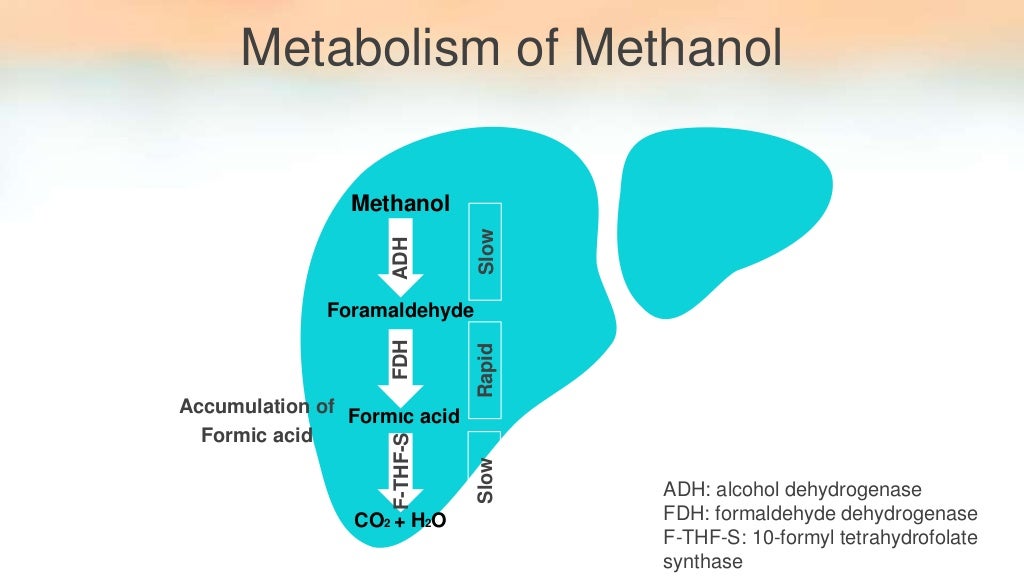
Methanol itself is not directly harmful to the body. The danger arises when methanol is metabolized by the liver, converting it into formaldehyde and then into formic acid. These metabolites are highly toxic and result in metabolic acidosis, which disrupts the body’s pH balance and affects the central nervous system.
One of the most common sources of methanol poisoning is the consumption of adulterated or homemade alcoholic drinks. Such beverages might be contaminated with methanol either intentionally or accidentally during the distillation process. Another source can be industrial exposure, where workers come into contact with products containing methanol without adequate protective equipment.
Symptoms of Methanol Poisoning
The symptoms of methanol poisoning can vary in severity depending on the amount ingested and the time elapsed since ingestion. Initial signs may include headaches, dizziness, nausea, and abdominal pain. As toxicity progresses, more severe symptoms can occur, such as visual disturbances (“snowfield vision”), seizures, and unconsciousness. Eventually, the condition can lead to optic nerve damage and permanent blindness.
Diagnosis and Treatment
Early diagnosis is crucial in treating methanol poisoning. Medical professionals employ a combination of clinical evaluation and laboratory tests to confirm methanol toxicity, often measuring the blood methanol level and checking for metabolic acidosis through an arterial blood gas test.
The primary treatment involves administering antidotes such as fomepizole or ethanol, both of which act by inhibiting the enzyme alcohol dehydrogenase, slowing the conversion of methanol to its toxic metabolites. In severe cases, hemodialysis may be necessary to remove both methanol and formic acid from the bloodstream, rapidly reducing the toxic load on the body. Supportive care including intravenous fluids and bicarbonate therapy is also pivotal in managing acidosis.
Conclusion
Methanol poisoning is a preventable condition that can lead to severe health outcomes if not treated promptly. Public education is critical in reducing incidences of methanol exposure, particularly in regions where homemade spirits are commonly consumed. Regulatory measures and safety protocols should be enforced in industrial settings to protect workers from accidental exposure.
For more detailed information on the causes and prevention of methanol poisoning, you can refer to resources like WebMD or Mayo Clinic.
FAQs
What should I do if I suspect methanol poisoning?
If you suspect methanol poisoning, seek immediate medical attention. Delaying treatment can result in serious complications, including blindness and death.
Can methanol poisoning be fatal?
Yes, if left untreated, methanol poisoning can be fatal, especially when large quantities have been consumed.
How is methanol poisoning different from ethanol poisoning?
Methanol and ethanol are both forms of alcohol, but methanol is significantly more toxic than ethanol. The body metabolizes methanol into poisonous compounds, whereas ethanol is broken down into harmless byproducts.
Can I identify methanol in alcoholic beverages by taste or smell?
No, methanol tastes and smells similar to ethanol, so it cannot be distinguished easily in beverages. Always be cautious about consuming homemade spirits and unknown alcoholic drinks.
BIG SALE | FAST SHIPPING
HOT PROMOTIONS!


CROWX 👑 CLOMIROW 50 Mg / 50 Tabs ( Clomid )
Original price was: $ 79.00.$ 69.00Current price is: $ 69.00.
Beligas 10ml Vial Testosterone NPP Blend 150mg

Original price was: $ 119.00.$ 99.00Current price is: $ 99.00.


CLOMID 50MG FIERCE 50 TABLETS

Original price was: $ 129.00.$ 119.00Current price is: $ 119.00.
Methanol poisoning is a serious and potentially fatal medical condition that occurs when methanol, a toxic form of alcohol commonly found in industrial and household products such as antifreeze, solvents, and fuel, is ingested or absorbed in harmful quantities. Unlike ethanol, the type of alcohol found in alcoholic beverages, methanol is metabolized in the body to formaldehyde and formic acid, both of which are toxic to the central nervous system and can lead to metabolic acidosis, a condition where the blood becomes overly acidic. Symptoms of methanol poisoning may include headache, dizziness, nausea, vomiting, abdominal pain, visual disturbances such as blurred or dim vision, and in severe cases, seizures, coma, and death. The onset of symptoms can be delayed, sometimes not appearing until 12-24 hours after ingestion. Immediate medical attention is crucial, and treatment often involves the administration of ethanol or fomepizole to inhibit the metabolism of methanol, along with supportive care and possibly hemodialysis to remove methanol and its toxic metabolites from the bloodstream. Prevention through public awareness and regulation of methanol-containing products is essential to reduce the risk of accidental poisoning.